What Drives Young Men's Struggles and How to Help
TL;DR
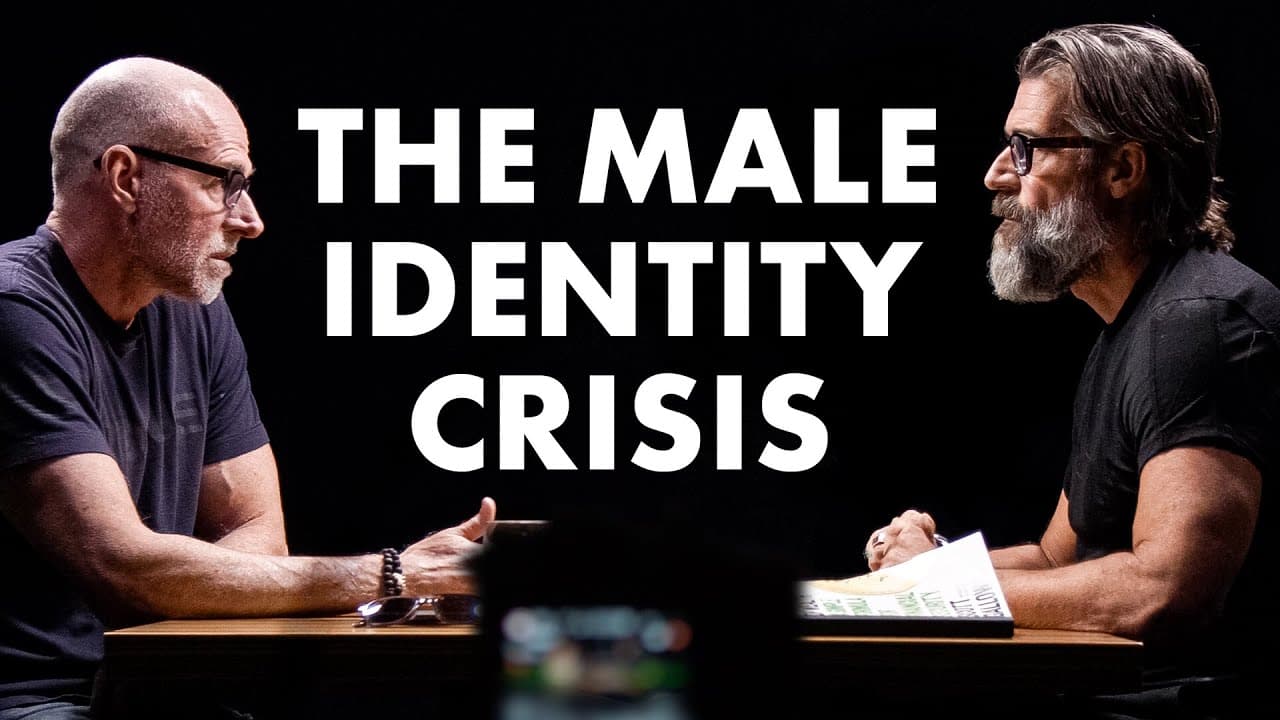
Young men face a cluster of barriers including lack of empathy, education system bias, and shrinking on-ramps to middle class work. The conversation argues for supportive, practical steps: expand vocational paths, foster emotional intelligence, challenge zero-sum thinking, and recognize dating and gaming ecosystems as shaping behavior while providing healthier alternatives.
Transcript
we're raising a generation of men who are going to just be increasingly psychotic and crazy that was ugly that is like yeah it's so depressing what does healthy masculinity look like masculinity is amazing thing you shouldn't apologize for it you should lean into it but what does it mean we've conflated toxicity with masculinity there's so many lon... Read More
Key Insights
- Young men are disproportionately affected by a lack of empathy and a zero-sum perception of social outcomes.
- The education system and few practical on-ramps push non-college bound males toward dead ends without vocational pathways.
- Empathy for young men does not imply anti-women sentiment, and mothers often see the need for viable outcomes.
- There is a maturation gap in executive function and prefrontal development that affects decision making.
- Changing the on-ramp into middle class work, including trades, is essential for balance.
- Dating app dynamics amplify competition and reward top performers, leaving many men with low self-worth.
- Technological ecosystems like gaming and online platforms exploit risk seeking and can fuel unhealthy behaviors.
- Economic and social reforms must address both economic prospects and emotional literacy to reduce alienation and risk behaviors.
- More videos from this channel:
- More from this channel: Rich Roll
Install to Summarize YouTube Videos and Get Transcripts
Explore YouTube Video Summarizer or Get YouTube Transcript Extractor
Questions & Answers
Q: What are the main factors driving struggles for young men today
The main factors include a lack of empathy for young men, an education system biased toward behaviors that favor girls, fewer on-ramps into middle class life such as vocational trades, and dating app dynamics that can lower self worth for the majority of men. These elements combine with economic barriers and a culture that sometimes rewards risky, isolated behavior over healthy development.
Q: How does the speaker suggest we address empathy gaps for men
Empathy gaps can be addressed by separating support for men from opposition to women, recognizing that improving outcomes for men strengthens society overall. Policies and programs should focus on emotional intelligence, responsibility, and practical supports such as vocational training and mentorship, while avoiding stereotypes that men must be vilified to empower others.
Q: What role do educational pathways play according to the discussion
Education pathways play a critical role by either steering students toward college routes or providing accessible vocational tracks. The speakers note that many young men miss on-ramps to middle class life when there are few viable trades, which underscores the need for expanded vocational education and honest communication about different successful paths.
Q: Why is dating culture mentioned in the analysis
Dating culture is mentioned because it affects self worth and relationship prospects for young men. The discussion highlights how dating apps can create a skewed market where many men struggle to form partnerships, reinforcing a cycle of frustration and disengagement unless practical social and emotional skills are developed.
Q: What is said about the impact of technology on young men
Technology channels risk seeking and addictive behavior through gaming and social apps. These platforms can substitute for real-world relationships and responsibilities, encouraging conspiracy thinking and low-effort validation while providing easy access to gambling and pornography, which can derail long term personal and professional development.
Q: How do economic changes influence young men, according to the talk
Economic changes, including the rising cost and lower accessibility of elite universities, reduce opportunities for non-wealthy students and contribute to a sense of failure among parents and young men. A broader middle class ladder with on-ramps in trades and accessible education is proposed to rebalance opportunities.
Q: What do the speakers say about the role of mothers and women
Mothers are described as key allies in elevating viable young men, and women are depicted as ready for more economically and emotionally capable partners. The message emphasizes collaboration and empathy rather than competition, urging women to support pathways that improve men’s prospects without diminishing women’s gains.
Q: What practical steps are proposed to help young men improve outcomes
Practical steps include expanding vocational training, rebuilding empathy through targeted mentorship, reforming education to value diverse paths, reducing barriers to middle class jobs, improving emotional intelligence education, and creating supportive communities that help men develop skills, relationships, and responsibility without stigma. These steps aim to reduce alienation and promote healthier development.
Summary & Key Takeaways
-
A broad view is presented on why a generation of young men faces poor outcomes, including educational bias, limited skill on-ramps, and economic barriers, and the need for empathetic policy and culture. The discussion stresses practical steps over stigma.
-
The speakers highlight the role of dating apps and entertainment platforms in reinforcing maladaptive behaviors, urging a shift toward meaningful relationships, real world skills, and healthier risk management.
-
The episode advocates mothers and women as allies in elevating young men, calling for empathy and targeted programs to rebuild economic and emotional viability for the next generation.
Read in Other Languages (beta)
Share This Summary 📚
Summarize YouTube Videos and Get Video Transcripts with 1-Click
Try YouTube Summary with ChatGPT & Claude or YouTube Transcript Generator
Explore More Summaries from Rich Roll 📚






Summarize YouTube Videos and Get Video Transcripts with 1-Click
Try YouTube Summary with ChatGPT & Claude or YouTube Transcript Generator