How to embrace an alcohol free lifestyle for health
TL;DR
Alcohol free living can boost sleep quality, brain health, and weight management while expanding social support through a community of like minded people. It also requires understanding the negative effects of alcohol and adopting strategies to change behavior gradually rather than seeking quick abstinence. The shift happens slowly but gains momentum with consistent messaging and peer influence.
Transcript
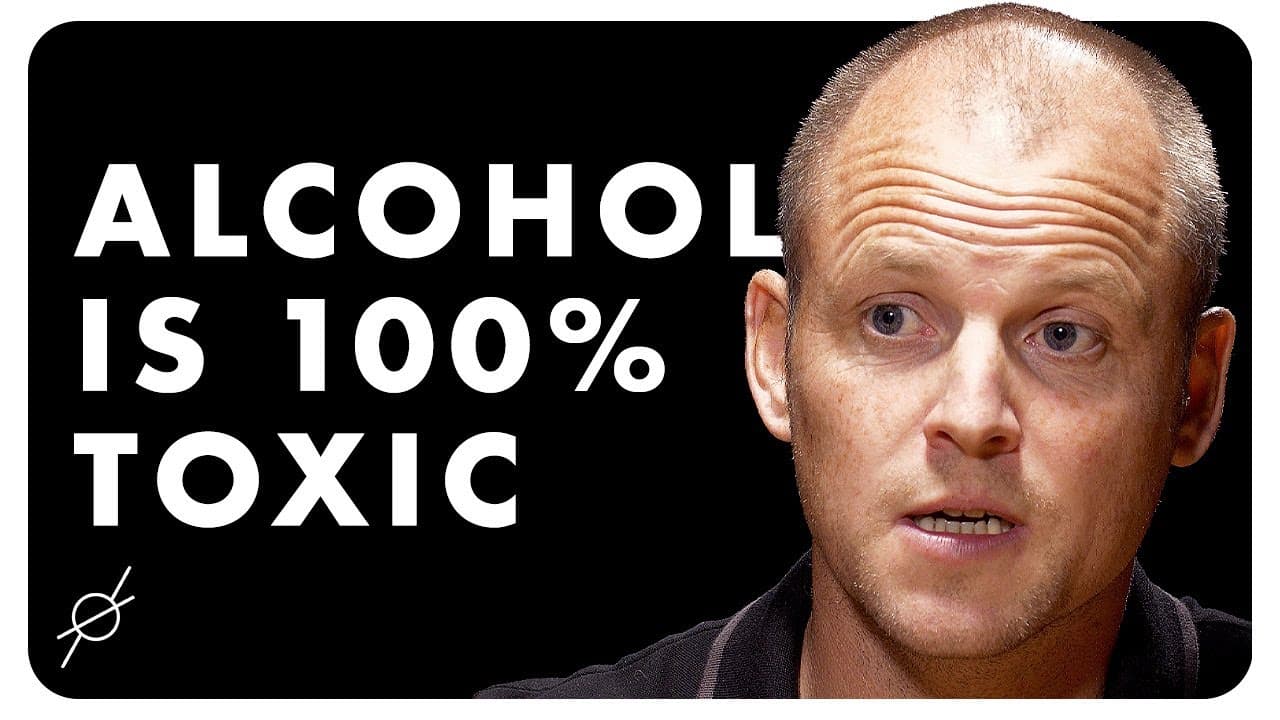
Alcohol is holding you back. Everybody is searching for optimal health, peak performance, the more productivity in their work, how to lose weight, and yet they're not realizing that this vision of what alcohol-free could feel like. That is the one thing that will give them what they are looking for. Rury Fairbar is a former oil broker who after a f... Read More
Key Insights
- Alcohol is described as neurotoxic with no physiological benefits, and reducing or eliminating it can improve brain health and overall well being.
- The brain, sleep, weight, and daily performance are all negatively affected by alcohol, making abstinence or moderation a rational choice for health goals.
- A supportive community and access to alcohol free products or programs can accelerate behavior change and sustain it over time.
- Societal norms around drinking change slowly, so visible role models and widespread discussion help reduce stigma and encourage experimentation with alcohol free living.
- Personal relationships and social pressures are major barriers to change, requiring strategies to handle peer influence and maintain social connections without alcohol.
- Control and gradual change are emphasized, with a focus on new habits and routines rather than an all or nothing stance.
- Interventions can vary from public messaging to structured programs like One Year No Beer, illustrating multiple pathways to reduce alcohol consumption.
- Stress management and emotional sobriety are key components, addressing underlying triggers rather than relying solely on willpower.
- More videos from this channel:
- More from this channel: Rich Roll
Install to Summarize YouTube Videos and Get Transcripts
Explore YouTube Video Summarizer or Get YouTube Transcript Extractor
Questions & Answers
Q: A real search query question about the video (e.g. 'How to...', 'What is...', 'Why does...', 'When should...'). Question 1
What are the main health reasons to pursue an alcohol free lifestyle and how does it affect the brain and body over time? Alcohol is described as having no physiological benefits and is neurotoxic, which can dull the prefrontal cortex and impair memory and decision making. Choosing abstinence or reduced intake supports sleep quality, weight management, and cognitive function, and aligns with a broader health and performance goal. This perspective is supported by expert discussions and research referenced in the interview, emphasizing long term health outcomes.
Q: Question 2
How does society’s relationship with alcohol evolve and why does paradigm shift take decades? The conversation explains that alcohol norms are deeply embedded and change happens slowly, often requiring persistent messaging, role models, and community support. The shift toward alcohol free living is described as a multi year, incremental process, with momentum building as more people and brands participate and share success stories. This gradual change is a natural response to growing health and wellness priorities.
Q: Question 3
What strategies did Ruari Fairbairns suggest for changing one’s behavior around drinking? The interview highlights community support, gradual habit changes, and addressing social contexts that enable drinking. It emphasizes building a sober network, seeking alternatives to alcohol in social settings, and focusing on long term health goals rather than short term social rewards. Control and committed messaging are presented as essential to sustaining change.
Q: Question 4
What role does sleep play in the impact of alcohol on health according to the discussion? Alcohol disrupts sleep architecture, reducing deep sleep which is crucial for neuroplasticity and learning. The conversation connects poor sleep to diminished cognitive performance, mood regulation, and failed health improvements, underscoring sleep as a key area affected by drinking and a target for those pursuing an alcohol free lifestyle.
Q: Question 5
How does alcohol affect weight loss efforts and metabolism? The dialogue notes that alcohol is metabolized before fat, adding calories and hindering fat loss. It also contributes to poorer dietary choices and reduced motivation for exercise, complicating weight management goals. Understanding these metabolic effects supports decisions to limit or avoid alcohol in weight loss plans.
Q: Question 6
Why is social inclusion a challenge for people considering sobriety and how can it be addressed? The speaker acknowledges that drinking is often used to socialize and fit in, creating fear of isolation. Solutions include seeking or creating social circles that do not center on drinking, using supportive communities, and reframing social activities to accommodate an alcohol free lifestyle. This approach reduces loneliness while maintaining connection with friends and peers.
Q: Question 7
What is the concept of emotional sobriety and how does it relate to habit change? Emotional sobriety involves managing triggers and emotions without relying on alcohol for relief. It emphasizes developing coping strategies, stress management, and healthier responses to social pressure. This foundation supports lasting behavior change by addressing underlying causes rather than merely suppressing symptoms.
Q: Question 8
What evidence from media and expert sources supports the case for alcohol free living? The interview references the Huberman podcast and Dr Amso’s insights about alcohol’s effects on the brain, highlighting credible, science based perspectives. It uses these to reinforce the message that reducing or eliminating alcohol can improve health and performance, and to promote informed decision making.
Summary & Key Takeaways
-
A year long commitment to ditching alcohol can lead to meaningful health improvements, including better sleep and cognitive function, and can be supported by a dedicated community that shares strategies and accountability.
-
The conversation around alcohol needs to shift from purely abstinence to a middle ground where people reduce intake and manage social pressures, using credible information about neurotoxic effects and functional impacts for lasting change.
-
Long term paradigm shifts take time, but media exposure and influential figures help normalize alcohol free living, expanding options for people who want social participation without the downsides of drinking.
Read in Other Languages (beta)
Share This Summary 📚
Summarize YouTube Videos and Get Video Transcripts with 1-Click
Try YouTube Summary with ChatGPT & Claude or YouTube Transcript Generator
Explore More Summaries from Rich Roll 📚


Summarize YouTube Videos and Get Video Transcripts with 1-Click
Try YouTube Summary with ChatGPT & Claude or YouTube Transcript Generator