How to boost VO2 max with 4x4, 1x1, Tabata workouts?
TL;DR
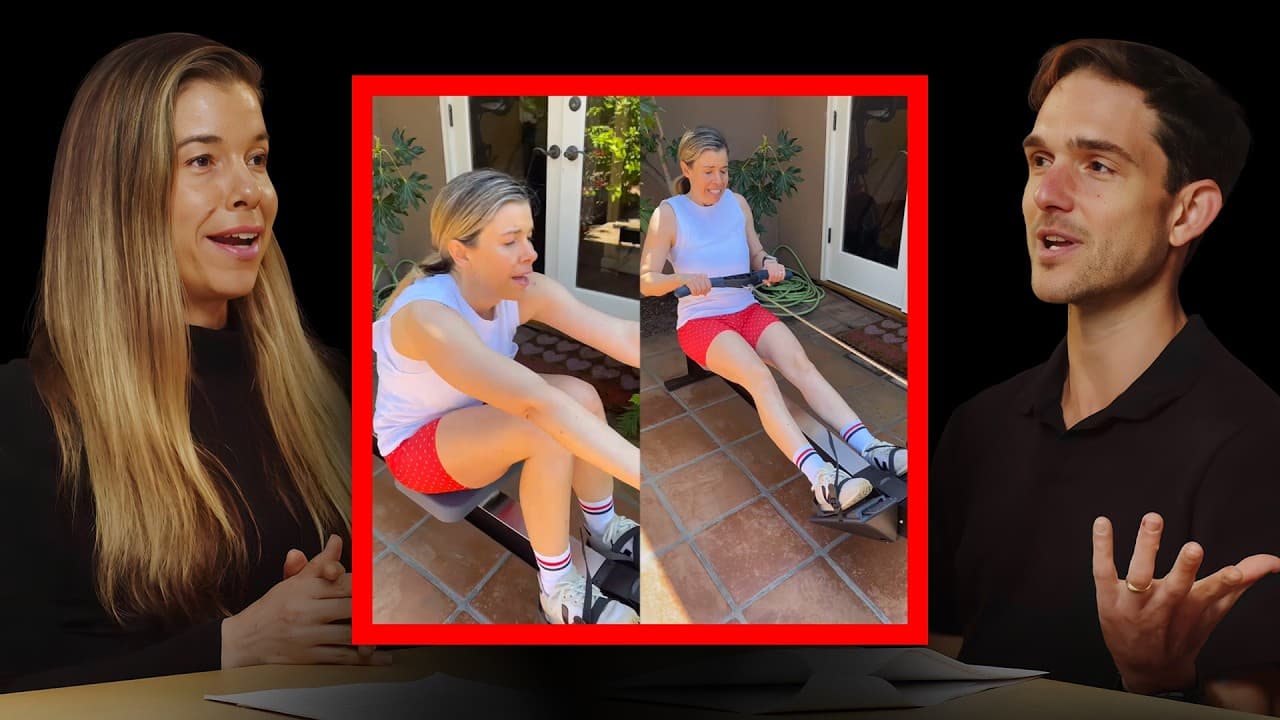
The video explains three evidence based high intensity interval protocols to improve cardiorespiratory fitness: the Norwegian 4x4, the 1 minute on 1 minute off, and Tabata style workouts. It emphasizes sustaining hard effort, not obsessing over heart rate, and varying workouts to stress different energy systems for better adaptations.
Transcript
maybe we should um let a good segue into some of the high-intensity interval training protocols that are evidence-based in terms of improving cardiorespiratory Fitness for example and a lot of these Protocols are also also improve other parameters which we're going to get into as well like mitochondrial density um as well as other metabolic benefit... Read More
Key Insights
- The Norwegian 4x4 is a four minute high intensity interval repeated four times with three minute easy recovery periods.
- The 1 minute on, 1 minute off protocol involves ten cycles totaling around 20 minutes of exercise with short recoveries.
- Tabata protocols use 20 seconds on and 10 seconds off repeated eight times to push intense efforts.
- You do not need to monitor heart rate constantly; effort and elevated heart rate above moderate intensity indicate high intensity training.
- Varying interval lengths across workouts stresses different energy systems and promotes diverse adaptations.
- Mixing different interval protocols weekly can prevent stagnation and keep training engaging.
- Hard intensity should be sustainable for the duration of each interval rather than maximal effort every time.
- Ending a workout with a slightly higher intensity segment can add a final training stimulus.
- More videos from this channel:
- More from this channel: FoundMyFitness Clips
Install to Summarize YouTube Videos and Get Transcripts
Explore YouTube Video Summarizer or Get YouTube Transcript Extractor
Questions & Answers
Q: What is the Norwegian 4x4 interval protocol and how is it performed?
The Norwegian 4x4 interval protocol consists of four minutes of hard effort that you can sustain for the full duration, followed by a three minute recovery at a very light intensity, and this cycle is repeated four times. The sessions are commonly done on a stationary bike or similar equipment, aiming to improve cardiorespiratory fitness and lactate clearance during the recovery periods.
Q: How does the 1 minute on 1 minute off interval work and what is its purpose?
The 1 minute on, 1 minute off interval involves performing a hard effort for one full minute, followed by a one minute low intensity recovery. This cycle can be repeated about ten times, creating a twenty minute workout. Its purpose is to deliver high intensity stimulus in a manageable duration to improve aerobic capacity and metabolic adaptations.
Q: What is Tabata and how is it structured according to the video?
Tabata is described as a protocol with 20 seconds on and 10 seconds off, repeated eight times. It requires going as hard as possible during the 20 second intervals, and the short rest periods make it a very demanding form of high intensity interval training that targets multiple energy systems.
Q: Is heart rate the most important measure for these interval workouts?
The speakers suggest that heart rate is not the sole focus. They note that you can base intensity on how hard you are performing and your ability to sustain the effort, rather than constantly tracking heart rate. The key idea is to elevate effort above moderate intensity to achieve high intensity training benefits.
Q: Why is mixing different interval lengths recommended in training?
Mixing different interval lengths is recommended to stress the body in different ways, engaging multiple energy systems and avoiding stagnation. Rotating between four minutes, one minute, and twenty second intervals helps promote a broader set of physiological adaptations and keeps training engaging over time.
Q: What benefits beyond VO2 max are mentioned for interval training?
Beyond VO2 max improvements, the protocol discussion mentions benefits such as increased mitochondrial density and other metabolic adaptations. These changes contribute to overall cardiorespiratory fitness and can enhance performance during various workouts and daily activities.
Q: How should a person incorporate these protocols into a weekly routine to avoid boredom?
A practical approach is to rotate between four minute intervals, ten by one minute on/off sessions, and Tabata across different weeks. This variety helps to stress different energy systems, prevents monotony, and can be easier to maintain long term while still delivering meaningful fitness gains.
Q: What is the overall takeaway about high intensity interval training from the video?
The overall takeaway is that performing hard, sustainable intervals such as 4x4, 1x1 off, or Tabata can significantly improve cardiorespiratory fitness. The exact heart rate target is less important than maintaining a high effort level, and varying protocols weekly maximizes adaptations across multiple bodily systems.
Summary & Key Takeaways
-
The speaker outlines three interval protocols with different lengths to improve cardiorespiratory fitness and metabolic benefits, including mitochondrial density. It emphasizes that effort level matters more than exact heart rate, and sustained hard intensity is key for benefits. Mixing protocols can prevent stagnation and boredom while broadening adaptations.
-
The Norwegian 4x4 involves four minutes of hard effort followed by a three minute recovery, repeated four times, typically on a bike or similar equipment. It is described as sustainable hard intensity that yields strong cardiorespiratory improvements and lactate clearance during recovery periods.
-
Tabata and other intervals like 1x1 and 20 on 10 off are discussed as flexible options to train different energy systems. The emphasis is on variety and progressively challenging workouts rather than fixed heart rate targets, which can help maintain engagement and drive continued fitness gains.
Read in Other Languages (beta)
Share This Summary 📚
Summarize YouTube Videos and Get Video Transcripts with 1-Click
Try YouTube Summary with ChatGPT & Claude or YouTube Transcript Generator
Explore More Summaries from FoundMyFitness Clips 📚





Summarize YouTube Videos and Get Video Transcripts with 1-Click
Try YouTube Summary with ChatGPT & Claude or YouTube Transcript Generator