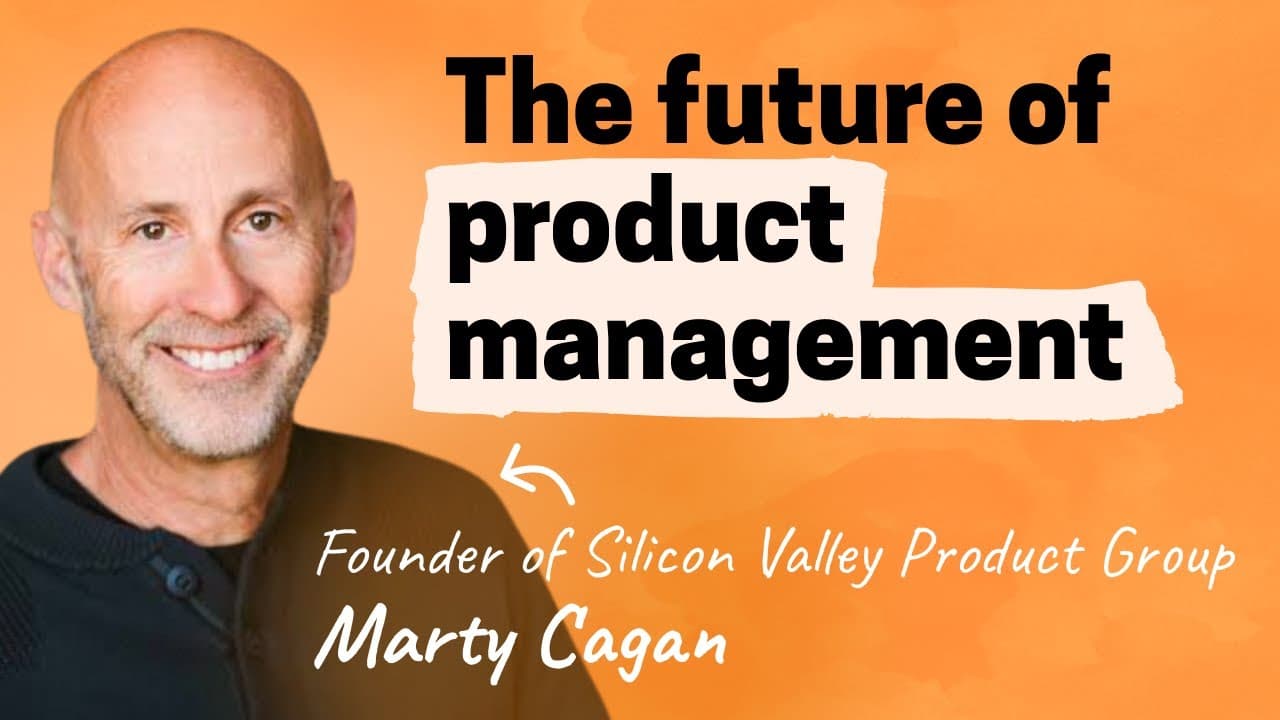
What is product management theater and how to avoid it
TL;DR
Product management theater is overstaffed and misaligned with real PM value, focusing on outputs over outcomes. The fix is to empower PMs, reduce non PM roles, and build durable product leadership practices that withstand organizational changes. The conversation also covers how AI may change PM work and how to shift teams toward empowered execution.
Transcript
There is no question that a lot of companies overhired during the pandemic. I go into some companies and honestly I can't believe all the ridiculous roles that they have, agile coaches and product owners and product ops and business analysts. And this is essentially the theater you're describing, people that aren't real product managers. Th... Read More
Key Insights
- Product theater happens when the organization hires broader roles like agile coaches and business analysts that do not act as true product managers, creating a theater that prioritizes process over outcomes and drains value.
- The key to resisting theater is to build and maintain empowered product teams where PMs own outcomes, not just features, and where decision rights stay with product leadership rather than with outsourced or auxiliary roles.
- Over hiring during the pandemic contributed to a bloated headcount of non PM roles, which distorts incentives and slows real product progress by elevating output metrics over genuine product impact.
- Many product professionals become trapped as project managers rather than true product managers, leading to misaligned goals, delayed feedback loops, and reduced ability to influence strategic direction.
- A shift from growth to build functions is part of the changing PM role landscape, requiring a clear operating model that aligns with company objectives and product outcomes rather than isolated feature delivery.
- The conversation stresses that online product advice often lacks the depth of real-world, proven practices used by top product companies, urging practitioners to adopt durable principles that scale across startups and enterprises.
- AI will not replace PMs but will change the toolkit, demanding new competencies such as interpreting AI-driven insights, designing experiments, and leveraging data across product studies to inform decisions.
- Effective product leadership relies on shared principles across organizations, with a focus on what works consistently in proven companies rather than chasing new techniques without validation
- More videos from this channel:
- More from this channel: Lenny's Podcast
Install to Summarize YouTube Videos and Get Transcripts
Explore YouTube Video Summarizer or Get YouTube Transcript Extractor
Questions & Answers
Q: How can a company identify that it has product management theater in place
Product management theater is visible when organizations confuse delivery roles with product leadership, rely on many people doing project management tasks, and measure success by completed features rather than outcomes. To identify it, look for PMs focused on coordinating tasks, frequent reorgs around shiny processes, and a lack of clear accountability for product impact. True PMs should own outcomes, set problems to solve, and drive cross functional alignment with measurable results.
Q: What is the difference between outputs and outcomes in product work
Outputs are the immediate deliverables or features produced, while outcomes measure the real impact on user value and business goals. The key distinction is that outputs can be counted and shipped quickly but may not improve the customer experience or company metrics. Outcomes require you to define success criteria, track user behavior, and iterate based on data, not just ship cycles.
Q: Why did over hiring during the pandemic contribute to a problem
Over hiring created a mismatch between what the organization needed and what was delivered, increasing the number of non PM roles that do not directly contribute to product outcomes. This drove higher costs, diluted accountability, and slowed decision making. The result is a theater where many roles exist to fill a process rather than to drive meaningful product progress.
Q: What skills should PMs build to avoid becoming project managers
PMs should build deep problem solving, strategic thinking, and user value orientation. They need the ability to articulate problems clearly, design experiments, prioritize based on impact, and lead cross functional teams without taking control away from product leadership. Developing a product operating model, focusing on outcomes, and using data to guide decisions helps PMs avoid turning into project managers.
Q: How can teams shift from feature teams to empowered product operating models
Shifting requires clarifying decision rights, aligning incentives with outcomes, and creating cross functional teams that own problems end to end. It involves reducing handoffs, establishing clear metrics for success, and maintaining a steady focus on user value. Leaders should coach teams to experiment, learn, and iterate toward meaningful product improvements.
Q: What role will AI play in the future of product management
AI will augment PMs by surfacing insights from large data sets, enabling faster experiments, and helping interpret user signals. PMs will need to design AI friendly experiments, manage governance around AI driven decisions, and ensure that AI outputs align with customer value. The core human role remains in defining problems, framing hypotheses, and interpreting results.
Q: What makes a product operating model successful in large companies
A successful product operating model aligns with core strategies and creates clear ownership of outcomes across all teams. It uses durable principles rather than fleeting methods, maintains consistent processes, and emphasizes learning and iteration. The model should scale, support empowered PMs, and enable faster, more reliable product decision making.
Q: Why is online product advice often not trustworthy according to the discussion
Online advice tends to promote generic techniques without showing how they work at scale or in different organizational contexts. The discussion stresses that durable practices come from real companies over time, not from one off experiments. To trust advice, look for evidence of lasting impact across multiple teams and company sizes.
Summary & Key Takeaways
-
Product management theater describes a mismatch between roles and real PM value, often filled by overhired positions that deliver outputs instead of meaningful outcomes. The discussion emphasizes empowering product teams to own outcomes and avoid turning PMs into project managers. It also highlights the shift toward an empowered operating model and responsible governance.
-
The conversation contrasts online PM advice with proven practices used by successful product companies, arguing for durable principles over trendy methods and emphasizing the need for consistency across teams and organizations.
-
The guest explains how startups and large companies can transition from feature teams to empowered product operating models, detailing the skills PMs must develop, the signs of feature team work, and how AI could affect future PM responsibilities.
Read in Other Languages (beta)
Share This Summary 📚
Summarize YouTube Videos and Get Video Transcripts with 1-Click
Try YouTube Summary with ChatGPT & Claude or YouTube Transcript Generator
Explore More Summaries from Lenny's Podcast 📚
Summarize YouTube Videos and Get Video Transcripts with 1-Click
Try YouTube Summary with ChatGPT & Claude or YouTube Transcript Generator