How to Coach Product Managers and Grow as a Product Leader
TL;DR
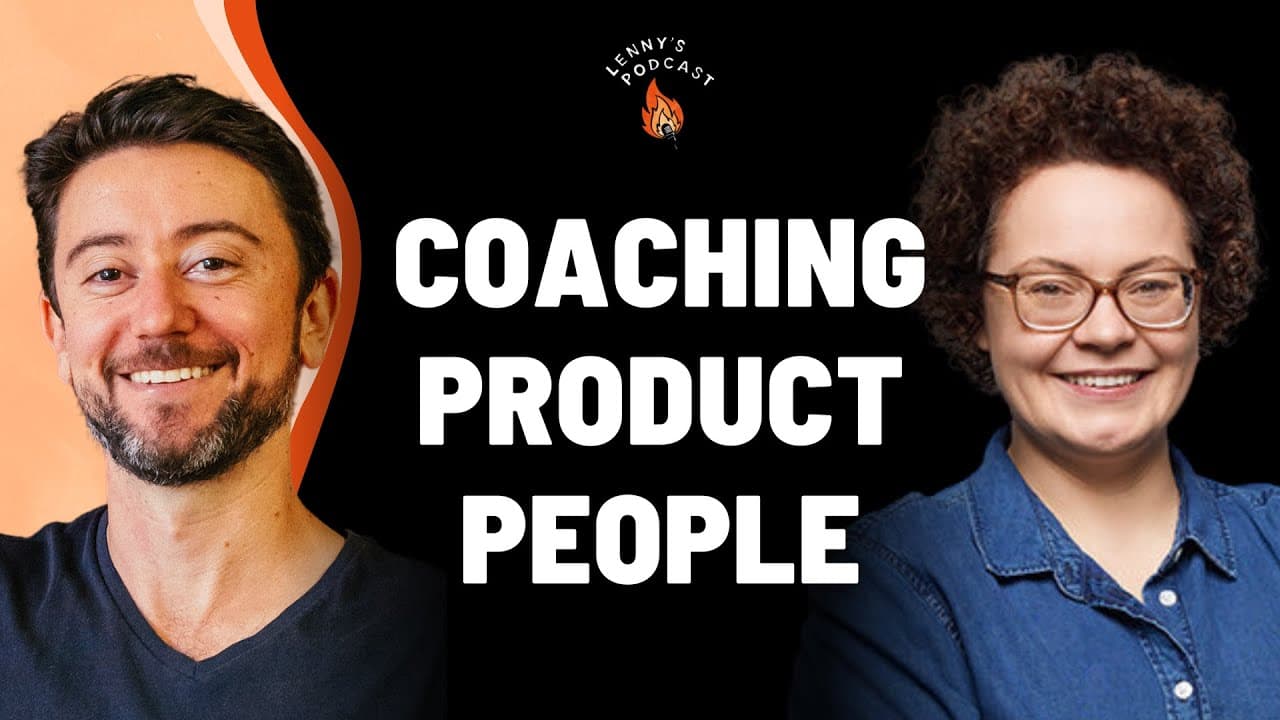
Great product leaders coach their people rather than just manage them, curating growth paths, building empathy for the PM role, and developing storytelling skills. Becoming a strong product manager is a career, not a role you master quickly. Leaders who never worked in product often struggle to guide their teams, and joining a product community fills that gap.
Transcript
getting promoted is way harder if you're not good in telling stories and running the team behind the shared goal and all these kind of things and you usually achieve this through good storytelling techniques and in some teams I've seen the product person not being really really good at it but then the whole team helped creating these stories and st... Read More
Key Insights
- Product management is a career, not a role: there are many skills to master, and no amount of reading books, taking courses, or following newsletters replaces actually building products and learning through repeated failure and success over years.
- Storytelling is close to a career requirement for product leaders: getting promoted is much harder without it, since promotion depends on rallying a team behind a shared goal and communicating that goal well through strong narrative techniques.
- The middle layer of product leadership (first-line managers and directors) is often the most influential in a company, because these leaders make many day-to-day decisions and directly shape how their product people grow.
- Many product leaders come from marketing, business, data, or engineering backgrounds and have never worked as a PM, so they lack basic product practice and empathy for the PM struggle, which makes guiding their teams harder.
- Coaching product people means developing a 'strong compass': giving leaders clarity on how the best product organizations and managers actually work, so they can point their teams in the right direction.
- IC-level product managers often have to learn on their own because their line managers don't know the product community's best practices and can't curate their progression or point them to relevant talks, blog posts, or books.
- The 't-shaped' employee model is not enough for product people: Petra uses an 'eight-legged creature' metaphor because PMs must understand business and user problems, find solutions, ship with a team, run discovery, and iterate on data.
- A product leadership coach's impact ripples outward: coaching leaders affects the product teams beneath them, their peers, and even their own managers, extending influence well beyond the individuals directly coached.
Install to Summarize YouTube Videos and Get Transcripts
Explore YouTube Video Summarizer or Get YouTube Transcript Extractor
Questions & Answers
Q: How do you become a better coach for product managers?
Becoming a strong coach means understanding what the product role actually involves so you can develop your people in it. Petra emphasizes helping product leaders build a strong compass for how the best product organizations work, curating growth paths, pointing PMs to relevant resources, and developing empathy for the PM struggle. Rather than doing the work for them, good coaches help PMs learn hypothesis-driven discovery, team motivation, and giving feedback.
Q: Why is storytelling important for product leaders?
Storytelling matters because getting promoted is much harder without it. Promotion depends on rallying a team behind a shared goal, and leaders usually achieve that through strong storytelling techniques. Petra notes a team can compensate to some extent by helping create the stories, but she considers weak storytelling and public speaking a career limiter. Reaching a decent level of both is important for leaders at every stage of their career.
Q: Why is product management called a career rather than a role?
Product management is a career because there are so many things to learn and get good at that mastery takes years, not months. Petra and Lenny agree you can read every book, take every course, and follow newsletters, but you only progress so far without actually building products. Real learning comes from doing the work, failing, and succeeding repeatedly over a long period of time.
Q: What do non-product leaders lack most when they manage product teams?
Leaders who come from marketing, business, data, or engineering backgrounds and never worked as a PM often miss basic product management practice and empathy for the PM struggle. Because they don't know the craft or the wider product community, they can't point their teams toward relevant talks, blog posts, or books, so their individual contributors are left to learn many things on their own without curated guidance.
Q: What is the 'eight-legged creature' model for product people?
Petra uses the eight-legged creature metaphor because the common 't-shaped employee' model is not enough for product people. A PM must understand the underlying problems of the business and users, find solutions for them, ship products with the team, run a lot of product discovery, look at usage data, and iterate. The many skills and the complexity of the role are hard for non-product leaders to fully grasp.
Q: Who is Petra Wille's book Strong Product People written for?
Strong Product People is a niche book focused on people who manage product people, meaning product leads, and specifically the people-development part of their job. It is not another book about crafting product strategy, though it touches on that. Instead it operates at a meta level, showing how to help product managers understand hypothesis-driven discovery, team motivation, and giving better feedback. It is organized into five parts and many chapters.
Q: Why does Petra focus on the middle layer of product leadership?
Petra focuses on first-line managers and directors rather than only ICs or senior VPs and CPOs because that middle layer is often the most influential in a company. These leaders do much of the day-to-day work and make many of the decisions, and they directly shape how their product people grow. Coaching them creates ripple effects across their teams, peers, and even their own managers.
Q: How can individual product managers keep growing when their manager isn't a product expert?
When a line manager has no clue about the product community or the craft of product management, ICs often have to learn on their own because no one curates their progression. Petra suggests this gap is why finding a product management community is so valuable. A community surfaces best practices, so PMs can discover that a problem they face has already been solved and find a talk, blog post, or book to learn from.
Summary & Key Takeaways
-
Petra Wille is an independent product leadership coach and author of Strong Product People. She focuses on the people who lead product people, such as CPOs at smaller startups and product directors, and previously coached individual product managers and whole product organizations on product discovery.
-
A recurring theme is that product management is a career, not a role. Reading books, taking courses, or following newsletters only gets someone so far; real growth comes from doing the work, failing, succeeding, and building products over many years.
-
The conversation covers three areas: becoming the best coach for PMs, becoming a better storyteller and why that matters for leaders at every career stage, and why finding a product management community is so valuable and how to go about finding one.
Read in Other Languages (beta)
Share This Summary 📚
Summarize YouTube Videos and Get Video Transcripts with 1-Click
Try YouTube Summary with ChatGPT & Claude or YouTube Transcript Generator
Explore More Summaries from Lenny's Podcast 📚


Summarize YouTube Videos and Get Video Transcripts with 1-Click
Try YouTube Summary with ChatGPT & Claude or YouTube Transcript Generator