How to Get Hired When You Have No Experience

TL;DR
Build evidence of potential through relevant projects, strategic volunteering, measurable freelance outcomes, testimonials, and portfolios, then target roles designed to develop talent. Internships, apprenticeships, trainee programs, returnships, rotational programs, junior positions, customer-facing roles, and startups can offer better entry points than listings labeled entry level, which often expect candidates to arrive already trained.
Transcript
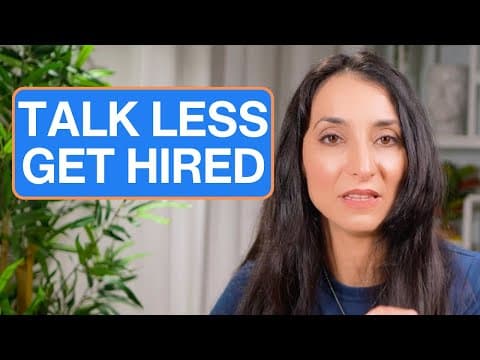
You've seen it before. An entry-level job asking for 2 years of experience, three tools, and zero handholding. If that's entrylevel, then where exactly are you supposed to enter? In this video, I'll break down why entrylevel roles are rarely built for beginners, how companies offload training onto you, and what you can do if you're starting with ze... Read More
Key Insights
- Entry-level employment is often the lowest level of a corporate hierarchy, not a promise that beginners will receive training. Many postings still demand professional experience, software fluency, industry familiarity, and previous results from candidates seeking their first opportunity.
- Employer training has shifted toward candidate-funded preparation. The transcript cites a Deloitte finding that learning and development budgets across major organizations fell by more than 20% between 2016 and 2022, encouraging companies to recruit workers who were already trained and job-ready.
- The experience catch-22 affects new graduates, career changers, and people returning after a break most severely. Employers ask for proof before offering an opportunity, while self-created experience may be discounted when it was gained outside a conventional company or corporate pipeline.
- True beginner roles are commonly advertised as internships, apprenticeships, trainee programs, or returnships rather than entry-level jobs. These pathways are structured around potential and development, although internships can be competitive, unpaid or underpaid, and treated differently from full-time employment.
- Apprenticeships combine paid work with structured learning and are growing in technology, finance, media, and blue-collar fields. The finance example describes employers paying participants while they study for licensing exams, followed by higher pay and continued full-time employment after passing.
- Freelance work becomes more credible when it is presented through outcomes instead of task lists. Candidates should identify who they helped, describe what changed, quantify impact when possible, add testimonials or LinkedIn endorsements, and provide a portfolio when applying in a visual field.
- Associate, junior, trainee, rotational, and customer-facing positions can provide practical entry points into organizations. Support representative, client success, and service coordinator roles teach company systems, communication, and product knowledge, which can make them useful internal launchpads for later movement.
- The central hiring problem is often missing evidence rather than missing potential. Strategic volunteering and personal projects can mirror real job functions, while resumes, cover letters, and LinkedIn profiles can demonstrate resourcefulness, self-directed learning, coachability, and readiness to grow.
- More videos from this channel:
- More from this channel: Farah Sharghi
Install to Summarize YouTube Videos and Get Transcripts
Explore YouTube Video Summarizer or Get YouTube Transcript Extractor
Questions & Answers
Q: Why do entry-level jobs require previous experience?
Many companies use entry level to describe the first rung of their corporate leveling structure, not a role intended for an absolute beginner. They prefer plug-and-play employees because training requires time and money. As internal development declined, candidates increasingly became responsible for arriving with professional experience, software knowledge, industry familiarity, certifications, and evidence that they could contribute immediately.
Q: Which jobs genuinely accept candidates with no experience?
The most realistic beginner pathways include internships, apprenticeships, trainee programs, returnships, rotational programs, associate positions, junior roles, and selected customer-facing jobs. Support representative, client success, and service coordinator positions can teach systems, communication, and product knowledge. These opportunities may not carry the entry-level label, so candidates should search for the specific program and role names instead.
Q: How can a candidate get hired without formal work experience?
A candidate can build evidence of potential through strategic volunteering, personal projects, freelance results, testimonials, LinkedIn endorsements, and a relevant portfolio. The evidence should resemble the target job and be described with outcome-focused bullet points. Applications should also show that the candidate is resourceful, self-taught, coachable, and already taking concrete steps to learn the required work.
Q: Does freelance work count as professional experience?
Freelance work develops genuine skills in execution, client management, and problem solving, but some employers discount it because they view it as temporary or unstructured. Candidates can improve its credibility by emphasizing measurable outcomes rather than isolated tasks, explaining who benefited and what changed, collecting testimonials or endorsements, and showing completed work through a portfolio when the field is visual.
Q: How should volunteer work appear on a resume?
Volunteer work should be chosen and described according to the functions of the target job. For example, managing a nonprofit event can demonstrate project coordination. Resume bullets should use language that matches relevant job descriptions and explain the responsibilities or outcomes involved. When volunteer work closely resembles paid job duties, it can provide meaningful evidence of applicable experience and potential.
Q: What is the difference between an internship and an apprenticeship?
An internship is a common on-ramp for students and recent graduates, typically lasting three to six months and often occurring during summer, although programs run throughout the year. Internships can be unpaid or underpaid, and interns are not held to the same standards as full-time employees. Apprenticeships combine paid employment with structured learning and target non-traditional candidates or career switchers.
Q: How should career changers target jobs that provide training?
Career changers should search for apprenticeships, trainee programs, rotational programs, associate roles, junior positions, customer-facing entry points, and opportunities at early-stage companies. They should emphasize transferable skills and learning agility instead of claiming complete readiness. Their resumes, cover letters, LinkedIn profiles, and project examples should consistently show coachability, resourcefulness, self-directed learning, and evidence of relevant potential.
Q: Why can startups be useful for inexperienced applicants?
Startups and early-stage companies may care less about conventional pedigree and more about demonstrated proof. According to the transcript, a personalized email with a project link can outperform a cold resume in that setting. Applicants should therefore connect their project directly to the company’s needs and show what they built, how they approached the work, and what capability the result demonstrates.
Summary & Key Takeaways
-
Many entry-level positions are not designed for true beginners. They frequently request prior professional experience, software fluency, industry knowledge, and evidence of results because employers increasingly prefer candidates who can contribute immediately. This creates a hiring paradox for new graduates, career changers, and people returning after an extended workforce break.
-
Genuine beginner opportunities often appear under labels such as internship, apprenticeship, trainee program, returnship, rotational program, associate, or junior role. Customer support, client success, and service coordination can also become internal launchpads. These positions place greater emphasis on learning agility, transferable skills, coachability, and potential than on possessing every required skill upfront.
-
Candidates without conventional experience should create credible evidence that resembles the work they want to perform. Strategic volunteering, personal projects, client outcomes, testimonials, endorsements, and portfolios can demonstrate relevant ability. Applications should describe measurable results and position the candidate as resourceful, self-taught, actively learning, and capable of growing into the target role.
Read in Other Languages (beta)
Share This Summary 📚
Summarize YouTube Videos and Get Video Transcripts with 1-Click
Try YouTube Summary with ChatGPT & Claude or YouTube Transcript Generator
Explore More Summaries from Farah Sharghi 📚





Summarize YouTube Videos and Get Video Transcripts with 1-Click
Try YouTube Summary with ChatGPT & Claude or YouTube Transcript Generator