How to Interview Like a Top-Tier Candidate
TL;DR
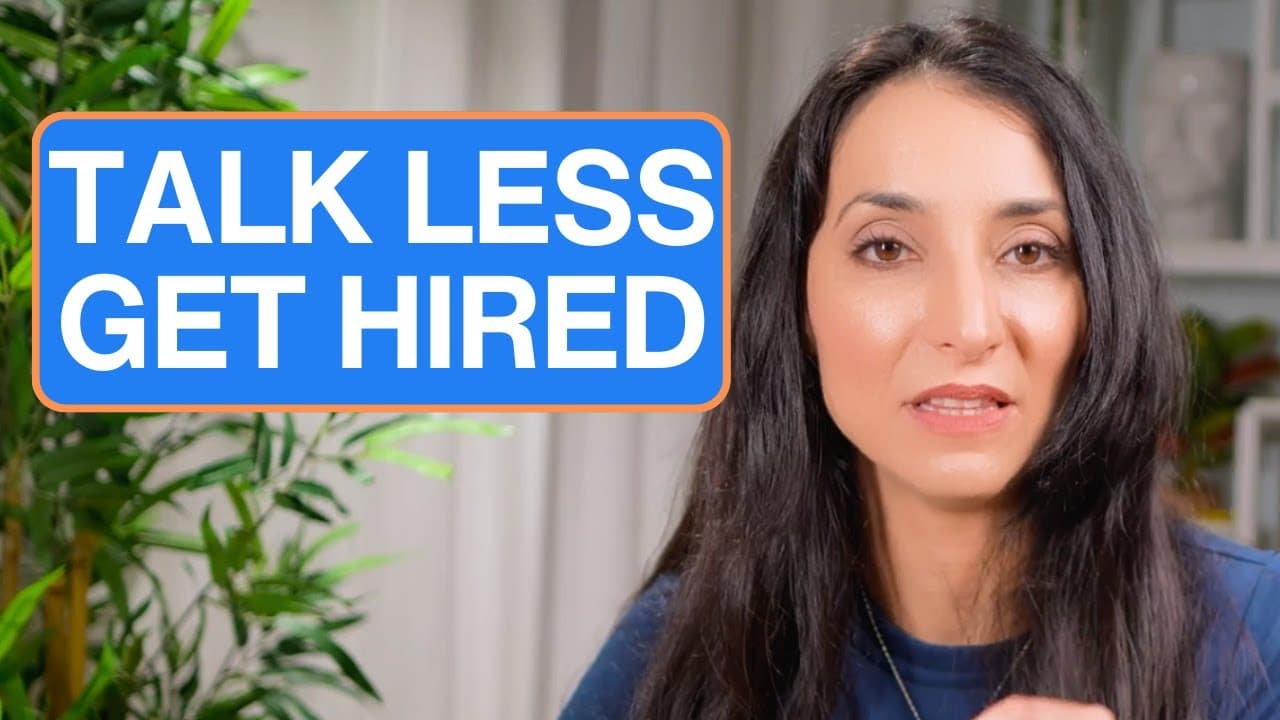
Treat a job interview as a transaction in which you connect your experience to the employer’s most important business problems and desired outcomes. Present quantified results through structured answers, demonstrate calm preparation, ask how success will be measured, and close by proposing a relevant priority. These signals position you as low-risk, high-impact, and easy to trust.
Transcript
If you've got a job interview coming up and you want to interview like the top 1% candidate, the standard advice you've been given is useless. It's a distraction. This isn't about luck. And it's certainly not about memorizing scripted answers. It's about skill. Interviewing is its own elite discipline. And the honest truth is that the vast majority... Read More
Key Insights
- Interviewing is a distinct skill, and successful candidates are not necessarily the smartest applicants. They improve their chances by thinking like hiring managers and treating the conversation as a transaction in which they are offering solutions to the company’s most important problems.
- Business-problem research is more useful than memorizing company trivia. Candidates should determine why the role exists, identify where the business is losing money or time, examine earnings reports and LinkedIn information, and connect their experience to the organization’s financial goals.
- The Google XYZ formula communicates value by stating what was accomplished, how the result was measured, and what action produced it. This outcome-focused format replaces vague descriptions of duties with evidence that helps a hiring manager understand what the candidate actually delivered.
- Structured answers make a candidate’s reasoning and impact easier to evaluate. Frameworks such as STAR, CAR, or HERO provide a consistent pattern, while rambling can sound like confusion rather than depth, even when the candidate has substantial knowledge or experience.
- Professional presentation signals preparation rather than pretension. An appropriate appearance, tidy background, well-lit face, clear audio, wired headphones, and an eye-level camera reduce distractions and demonstrate that the candidate can manage the practical details of an important interaction.
- Early arrival supports calm confidence and prevents logistical problems from controlling the opening. The recommended timing is 10 minutes early for an in-person interview and 5 minutes early for a virtual interview, with the microphone, camera, connection, and interview link checked beforehand.
- Performance-focused questions reveal more useful information than generic culture questions. Asking what would exceed expectations within the first 6 months and which measurable outcomes define success encourages the interviewer to disclose the standards that will actually determine performance in the role.
- A consultant-style closing demonstrates future value by summarizing the team’s apparent problem and goal, proposing a specific starting priority, and checking alignment with the hiring manager. This approach presents the candidate as a strategic partner who is already thinking like someone in the position.
- More videos from this channel:
- More from this channel: Farah Sharghi
Install to Summarize YouTube Videos and Get Transcripts
Explore YouTube Video Summarizer or Get YouTube Transcript Extractor
Questions & Answers
Q: How should I prepare for a job interview?
Prepare by identifying why the role exists and what business problem the new hire is expected to solve. Look for areas where the company may be losing money or time, review its earnings reports and LinkedIn page, and connect your past results to its financial goals. Also check the interview logistics, technology, background, lighting, audio, and camera position before the meeting begins.
Q: How can I explain my achievements in an interview?
Use the Google XYZ formula: state what you accomplished, explain how the outcome was measured, and identify what you did to produce it. This shifts the answer away from responsibilities, effort, and vague claims toward delivered outcomes. Every story should make your impact clear, and measurable evidence should be included whenever you can quantify part of the work.
Q: What answer structure should I use in a job interview?
Use a clean framework such as STAR, CAR, or HERO so the interviewer can follow your reasoning and evaluate your contribution. A consistent structure gives each answer a recognizable pattern and prevents rambling. The objective is clarity, not complexity: explain the situation and your actions in a way that makes the resulting impact effortless for the hiring manager to understand.
Q: How should I set up for a virtual job interview?
Create a clean, reliable setup that shows preparation. Use an appropriate appearance and a tidy background, light your face clearly, place the camera at eye level, and make sure your audio is clean. Wired headphones can help avoid a Bluetooth audio drop. Join the interview link 5 minutes early after checking your microphone, camera, internet connection, and access to the meeting.
Q: How early should I arrive for an interview?
Arrive 10 minutes early for an in-person interview and join 5 minutes early for a virtual one. For an online meeting, test the microphone, camera, connection, and link before the scheduled start. This logistical readiness helps you begin calmly instead of entering flustered, catching your breath, or apologizing while trying to establish confidence with the interviewer.
Q: What questions should I ask a hiring manager?
Ask questions that reveal how performance will be judged. Two useful examples are, “What would make someone exceed expectations in this role within the first 6 months?” and “What measurable outcomes define success here?” These questions provide direct information about the hiring manager’s priorities and give you intelligence that can shape the remainder of the interview and your closing remarks.
Q: How can I appear confident without sounding arrogant?
Demonstrate confidence by speaking calmly and clearly about the value of your results. Confidence does not require pretending that you do not need the position, and it does not depend on bravado. Manage your energy rather than your ego, maintain composure, and show that you understand your own contribution. Poise helps communicate authority and makes your value easier to trust.
Q: How should I end a job interview effectively?
End like a consultant by summarizing the problem and goal that appear most important to the team. Then name a specific priority you would focus on if you started next week and ask whether it aligns with the hiring manager’s vision. This closing demonstrates strategic thinking, partnership, and future value while signaling that you could be low-risk, high-impact, and easy to trust.
Summary & Key Takeaways
-
Strong candidates prepare by determining why the position exists and what costly problem it is meant to solve. Rather than memorizing company trivia, they research financial goals, earnings reports, and the organization’s LinkedIn page. They then connect relevant past achievements directly to the outcomes the hiring manager wants to purchase.
-
Interview answers should emphasize delivered results instead of responsibilities or time spent. The Google XYZ formula expresses an accomplishment, its measurable result, and the action that produced it. Frameworks such as STAR, CAR, or HERO organize the supporting story so interviewers can follow the candidate’s reasoning and evaluate impact without confusion.
-
Preparation, composure, and strategic questions shape how a candidate is perceived. Appropriate presentation, reliable technology, early arrival, and calm delivery communicate readiness. Questions about measurable expectations reveal what matters most. A consultant-style closing then identifies the team’s apparent problem, proposes an initial priority, and asks whether that approach matches the manager’s vision.
Read in Other Languages (beta)
Share This Summary 📚
Summarize YouTube Videos and Get Video Transcripts with 1-Click
Try YouTube Summary with ChatGPT & Claude or YouTube Transcript Generator
Explore More Summaries from Farah Sharghi 📚



Summarize YouTube Videos and Get Video Transcripts with 1-Click
Try YouTube Summary with ChatGPT & Claude or YouTube Transcript Generator