How to Use the HERO Framework in Job Interviews
TL;DR
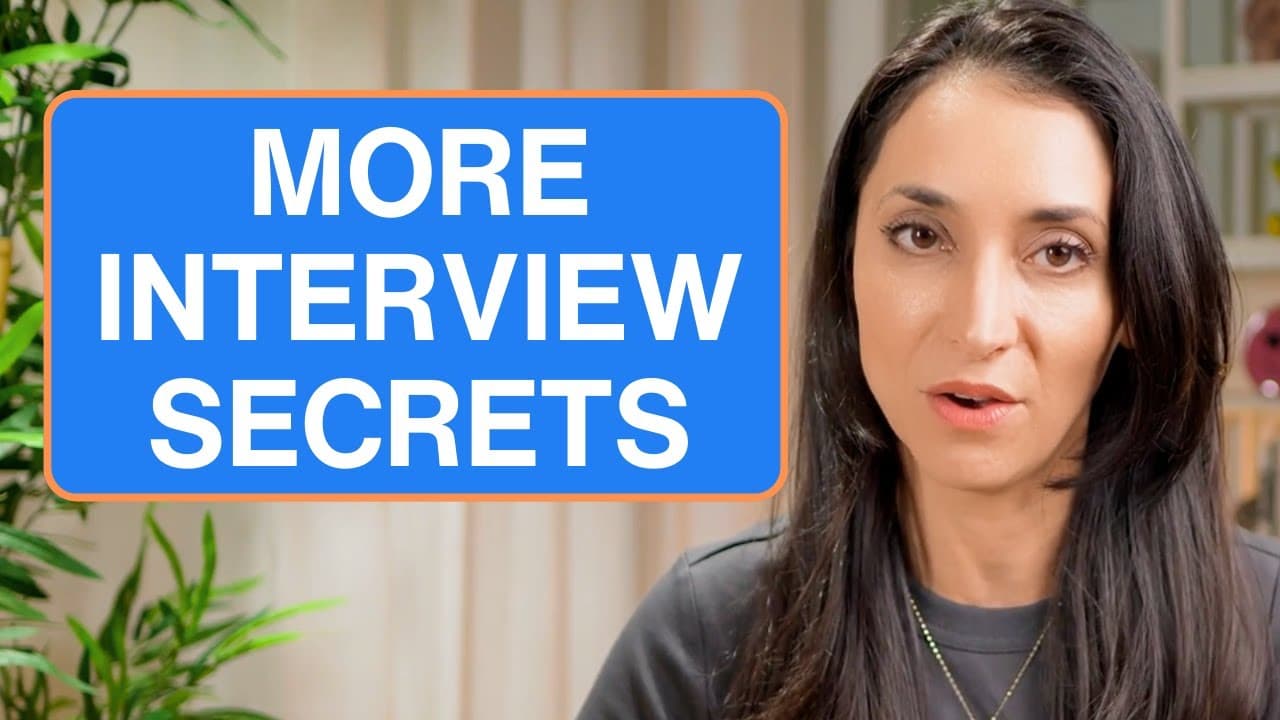
Lead interview answers with a measurable outcome, then explain why it mattered, the reasoning behind your decision, and how you executed it. The HERO framework helps candidates present achievements as concise business stories that demonstrate impact, judgment, and operational ability, particularly when interviewing for management or senior leadership roles.
Transcript
Most people answer interview questions the wrong way. You've probably done this before. You start with all of the background, add a ton of context, and by the time you finally get the result, the interviewer already looks bored. And let's be honest, by then, you can feel yourself losing them, too. That's why I'm going to show you a framework that m... Read More
Key Insights
- STAR and CAR are chronological frameworks that place background before results. This sequencing can work for structured storytelling, but in senior interviews it may delay the strongest evidence of leadership until the interviewer has already heard extensive context, tasks, and implementation details.
- The HERO framework is organized as Headline, Effect, Rationale, and Operations. It starts with the outcome, explains why that outcome mattered, shows how alternatives and trade-offs were evaluated, and concludes with the methods, tools, or actions used to execute the decision.
- The headline is a one-sentence statement of the measurable outcome. Opening with language such as “We achieved X” or “I delivered Y” gives the interviewer the central result immediately and frames the rest of the response as evidence supporting that achievement.
- The effect connects an achievement to a business, user, or product problem. Explaining why the result mattered demonstrates that the candidate understands consequences beyond the immediate task, including customer frustration, support workload, revenue, retention, or other outcomes mentioned in the example.
- The rationale demonstrates judgment by identifying the options considered and explaining the final choice. In the fraud example, rule-based filters were rejected because they flagged too many legitimate users, while the selected LightGBM approach supported the intended improvements in fraud losses and manual reviews.
- The operations section proves execution ability by describing what the candidate or team actually did. Relevant details can include the method, tool, experiment, rollout, or leadership action, such as building a pipeline, running three A/B tests, or deploying a solution across three regions.
- The same achievement can sound more strategic when its order changes. Leading with $6 million in annual fraud-loss reductions and 20% fewer manual reviews makes the impact immediately clear, while placing those figures last risks burying the strongest evidence inside technical narration.
- A HERO response is typically 60–90 seconds long, making it concise enough to hold attention while still demonstrating impact, judgment, and execution. Candidates can close by offering additional context, allowing the interviewer to choose which part of the story deserves deeper discussion.
- More videos from this channel:
- More from this channel: Farah Sharghi
Install to Summarize YouTube Videos and Get Transcripts
Explore YouTube Video Summarizer or Get YouTube Transcript Extractor
Questions & Answers
Q: What is the HERO framework for interview answers?
The HERO framework is an impact-first structure for answering interview questions. HERO stands for Headline, Effect, Rationale, and Operations. The headline states the outcome immediately, the effect explains why it mattered, the rationale describes the alternatives and decision logic, and operations covers what the candidate or team did to execute the chosen approach.
Q: How do you structure an answer with the HERO framework?
Start with one sentence stating the result, ideally using a measurable outcome. Next, explain the business, user, or product problem that made the outcome important. Then describe the options considered and why one approach was selected. Finish with the methods, tools, experiments, teamwork, or rollout steps used to deliver the result.
Q: Why can STAR and CAR fall short in senior interviews?
STAR and CAR present stories chronologically, so candidates begin with the situation or context and reach the result only after discussing tasks and actions. In a senior interview, that sequence can feel slow and bury the strongest achievement. It may emphasize technical narration over the business impact, judgment, and strategic communication expected from leaders.
Q: How can candidates make interview answers sound more strategic?
Candidates can sound more strategic by leading with the outcome, connecting it to a meaningful business or user problem, and explaining the reasoning behind their decision. They should identify alternatives and trade-offs before summarizing execution. This order shows that they can evaluate problems, choose an approach, deliver results, and communicate like a decision-maker.
Q: What is an example of a HERO answer about fraud detection?
A HERO answer can begin by stating that the work cut fraud losses by $6 million per year and reduced manual reviews by 20%. It can then explain that false positives frustrated customers and consumed support time. After noting that rule-based filters flagged legitimate users, the candidate can describe building a LightGBM pipeline and rolling it out across three regions.
Q: How can the HERO framework describe a product retention project?
The answer can open with a 15% increase in week-one retention after onboarding was redesigned. It should explain that early churn harmed lifetime value and revenue, then note that feature prompts and incentives were tested before onboarding friction was identified as the main drop-off driver. It can conclude with the redesign, three A/B tests, and rollout to all new users.
Q: How long should a HERO interview response be?
Most HERO responses should last about 60–90 seconds. That length is intended to hold the interviewer’s attention while providing enough information to demonstrate impact, business awareness, judgment, and execution. If more detail may be useful, the candidate can finish by offering additional context and let the interviewer choose where to explore further.
Q: Does leading with achievements sound arrogant in an interview?
Leading with an achievement does not inherently sound arrogant when the result is presented as evidence of business impact. Senior interviewers want candidates to identify and communicate outcomes clearly. The response should connect the achievement to the broader problem, explain the reasoning and trade-offs, and accurately describe personal and team contributions instead of relying on unsupported self-promotion.
Summary & Key Takeaways
-
Traditional STAR and CAR answers organize achievements chronologically, placing the situation or context before the result. Although this structure is easy to follow, it can delay the most compelling information. For senior interviews, lengthy setup may obscure business impact and make a qualified candidate sound like a technician narrating steps instead of a leader driving outcomes.
-
HERO stands for Headline, Effect, Rationale, and Operations. The headline states the outcome immediately. Effect connects that outcome to a business, user, or product problem. Rationale covers the alternatives and decision logic. Operations describes the methods, tools, teamwork, and execution that produced the result, proving the candidate can turn judgment into action.
-
A strong HERO response generally lasts 60–90 seconds and begins with language such as “We achieved X” or “I delivered Y.” Candidates should lead with the win, explain its significance and trade-offs, and finish with execution. They can then invite the interviewer to request additional context, keeping the initial answer focused while allowing deeper discussion.
Read in Other Languages (beta)
Share This Summary 📚
Summarize YouTube Videos and Get Video Transcripts with 1-Click
Try YouTube Summary with ChatGPT & Claude or YouTube Transcript Generator
Explore More Summaries from Farah Sharghi 📚



Summarize YouTube Videos and Get Video Transcripts with 1-Click
Try YouTube Summary with ChatGPT & Claude or YouTube Transcript Generator