How to curb emotional flooding in relationships during heated talks
TL;DR
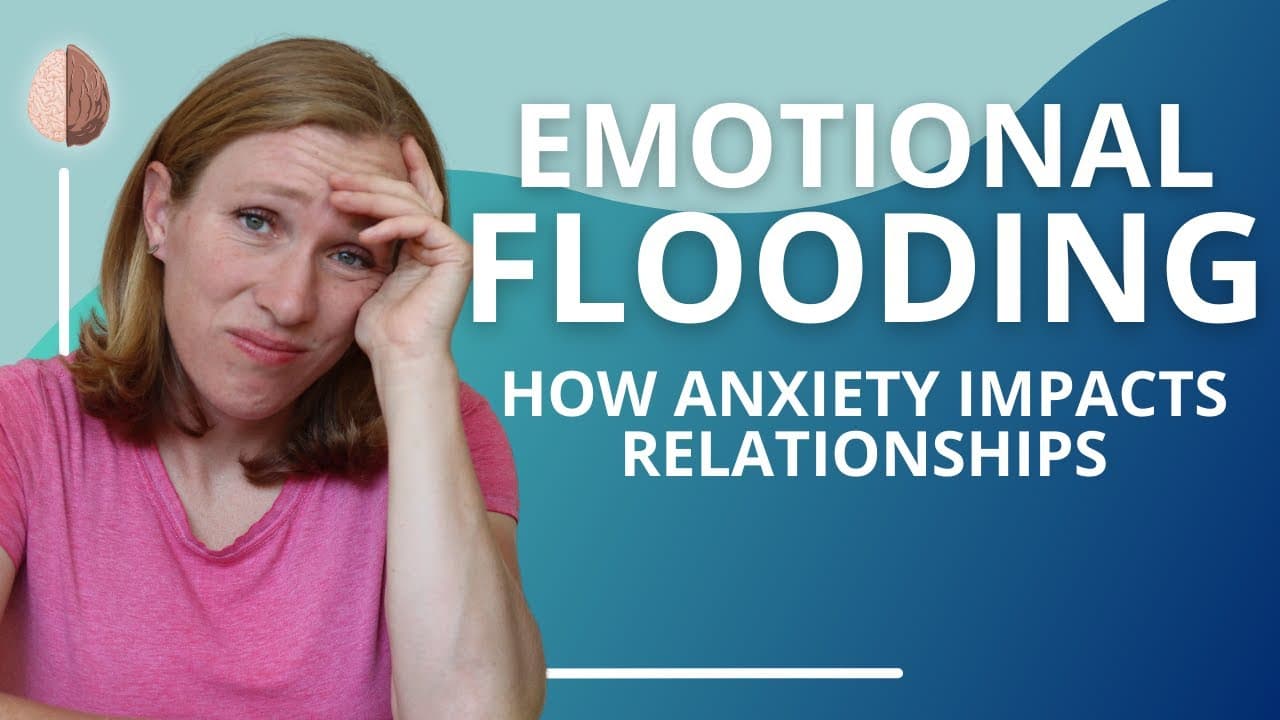
Flooding is when anxiety raises heart rate and blocks clear thinking, especially in men. To fix it, take a break, calm down, then return to the topic with a calmer mindset. Use watching your physiology, pausing the argument, self soothing, and optionally a therapist to restore constructive dialogue.
Transcript
Why does your husband shut down when the conversation becomes emotional? Today we're going to talk about flooding! There's this excellent researcher out there named John Gottman And he's done some of the leading research on relationships, marriage and divorce. And you should really check him out, he's got some great stuff. One of the really interes... Read More
Key Insights
- Flooding triggers a physiological response that impairs information processing and problem solving.
- The brain reverts to instinctual reactions like criticism or defensiveness when arousal is high.
- When heart rate exceeds 90 beats per minute, conversation tends to devolve into conflict.
- Taking a break is an antidote that lowers heart rate and helps problem solving.
- Women and men may experience flooding differently, with men often flooding more quickly.
- Calming strategies such as deep breathing and self soothing reduce stress chemicals in the body.
- Returning to the topic after a break allows discussions to be more productive and less harmful.
- Using a third party like a therapist or written communication can slow the conversation and aid understanding.
- More videos from this channel:
- More from this channel: Therapy in a Nutshell
Install to Summarize YouTube Videos and Get Transcripts
Explore YouTube Video Summarizer or Get YouTube Transcript Extractor
Questions & Answers
Q: What is emotional flooding and how does it affect communication in relationships?
Emotional flooding is a physiological reaction to stress where the body and mind react with heightened arousal, making clear communication difficult. It can cause defensiveness, criticism, and stonewalling, and it often reduces the brain’s ability to absorb information. Recognizing flooding helps couples manage conversations more effectively.
Q: Why do some people flood more quickly during heated talks?
During emotional encounters, physiological responses such as increased heart rate and sweating can shut down rational processing. Research cited notes that, in emotional situations, 80 percent of the time men flood faster than women, suggesting gender differences in how arousal impacts cognitive control during conflict.
Q: What is the first step to manage flooding?
The first step is to notice when you are flooding by paying attention to internal bodily sensations and behaviors. Recognizing the signs early helps you intervene before the brain shuts down further cognitive processing, enabling a calmer and more controlled response.
Q: What is recommended to do after noticing flooding starts?
Pause the conversation and request a break, using phrases like I need a moment or hang on for a second. This pause allows physiological arousal to decrease and creates space to regain control before continuing the discussion.
Q: How can you calm yourself during flooding?
Engage in self soothing through deep breaths or remind yourself that it will be okay and you can work through it. If tensions stay high, taking a longer break helps lower arousal and prepares you for a more productive exchange later.
Q: What should you do when you return to the conversation?
Return with the goal of addressing the issue calmly and constructively. The aim is to discuss the topic anew without reengaging in the prior heated manner, using the break to think clearly and prevent reactive responses.
Q: What role can third parties play in flooding management?
A therapist or mediator can help keep the conversation calm, provide guidance, and maintain structure. They can also facilitate methods like writing thoughts on paper to slow the pace and give partners time to reflect rather than react impulsively.
Q: How can couples apply flooding insights to everyday interactions?
Recognize when someone is flooding and respond with patience by slowing the pace, offering a break, and validating feelings. This approach reduces defensiveness, improves the chance of solving problems, and helps prevent detachment or ongoing relational damage.
Summary & Key Takeaways
-
Flooding occurs when physiological arousal disrupts processing in the brain, leading to defensiveness and conflict, and the prefrontal cortex can shut down when threat is perceived.
-
Taking breaks lowers heart rate and blood pressure, which helps couples resume discussions more calmly and increases the likelihood of resolving the issue.
-
Effective flooding management involves noticing signs, pausing the conversation, self soothing, and returning to the issue when calm, with third party help as an option for support.
Read in Other Languages (beta)
Share This Summary 📚
Summarize YouTube Videos and Get Video Transcripts with 1-Click
Try YouTube Summary with ChatGPT & Claude or YouTube Transcript Generator
Explore More Summaries from Therapy in a Nutshell 📚


Summarize YouTube Videos and Get Video Transcripts with 1-Click
Try YouTube Summary with ChatGPT & Claude or YouTube Transcript Generator