How to Reduce Apathy by Facing Painful Emotions
TL;DR
Avoiding painful emotions can temporarily numb distress, but it also reduces access to joy, hope, love, and connection. Practicing willingness means noticing disappointment, sadness, grief, or anxiety without fighting or judging them, then remaining engaged with meaningful activities and relationships. This expands emotional capacity and can interrupt patterns that worsen anxiety, depression, and apathy.
Transcript
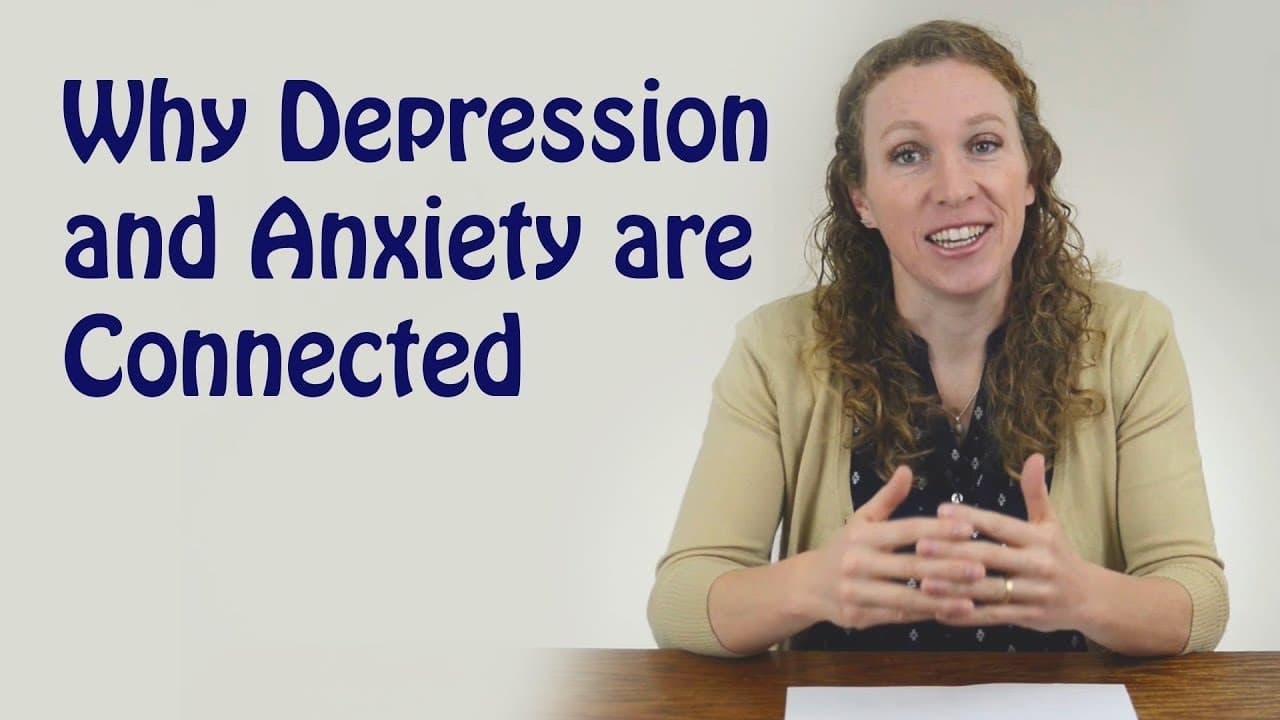
Hi everyone Emma McAdam here! In this little nugget of help I want to share one way that anxiety and depression are linked, and I'm gonna try to explain how our response to difficult emotions can lead to a pattern that makes us feel less joy more sadness and more apathetic. So, this video also fits under the category of stuff you do that makes you ... Read More
Key Insights
- Avoidance is a response to anxiety and stress that can worsen both anxiety and depression over time. It temporarily numbs awareness of a problem, but the unresolved problem and stress return after the distracting activity ends, sometimes feeling even stronger.
- Relaxation is different from avoidance because restorative activities, such as walking, massage, or spending time with friends, help the body feel rested and calm. Avoidance instead functions mainly as an escape from thoughts and emotions that remain unresolved beneath the distraction.
- Emotional compression is the narrowing of emotional capacity that occurs when a person tries to shut down painful feelings. Because emotions cannot be selectively numbed, reducing openness to disappointment, sadness, or grief also reduces access to excitement, hope, love, connection, and joy.
- Apathy can develop when caring becomes associated with vulnerability and pain. The client stopped investing creatively in a volunteer project after a frustrating conflict, protecting himself from further hurt while also losing the excitement and meaning that his involvement had previously provided.
- Depression and trauma can make positive experiences difficult to recall even when those experiences occurred. The client struggled to remember enjoying his career, illustrating how limited access to memories of happiness can reinforce the impression that joy or meaningful engagement is no longer available.
- Avoiding anxiety can remove opportunities for rewarding experiences. A person who avoids friends to escape social anxiety may feel less immediate discomfort, but also loses opportunities for companionship, enjoyment, and connection, leaving life narrower and potentially more depressing.
- Emotional withdrawal can make close relationships colder. Turning away, blaming, numbing, or spending less time with a spouse may reduce exposure to hurt, but these strategies also reduce openness to love, joy, repair, and the connection that comes from staying engaged.
- Willingness is the practice of allowing emotions to be present without demanding that they disappear. Sitting with feelings, noticing them, and withholding judgment can make sadness, grief, and anxiety more tolerable, while expanding the capacity to experience positive emotions as well.
Install to Summarize YouTube Videos and Get Transcripts
Explore YouTube Video Summarizer or Get YouTube Transcript Extractor
Questions & Answers
Q: How are anxiety and depression connected through avoidance?
Anxiety and depression can become connected when a person responds to stress or painful emotions by avoiding situations, responsibilities, relationships, or meaningful activities. Avoidance may reduce discomfort briefly, but it also removes opportunities for joy, connection, achievement, and hope. Because the original stress remains unresolved, it returns after the distraction ends, while the person's life and emotional range become increasingly restricted.
Q: What is the difference between relaxation and emotional avoidance?
Relaxation genuinely helps the body feel rested and calm through activities such as walking, getting a massage, or spending time with friends. Emotional avoidance primarily numbs awareness of distress through activities such as passive television viewing, food, gaming, drugs, social withdrawal, or excessive social media. When the avoidant activity stops, the original problem and accumulated stress remain and may return more strongly.
Q: What is emotional compression and how does it cause apathy?
Emotional compression is the shrinking of a person's emotional range through efforts to suppress painful feelings. Someone may stop caring to avoid disappointment, hurt, fear, or grief, but that protective strategy also limits joy, love, hope, excitement, and connection. Apathy can result because the person is no longer emotionally invested enough to be hurt, yet is also no longer invested enough to feel energized or fulfilled.
Q: Why can painful emotions not be selectively numbed?
Painful emotions cannot be selectively numbed because shutting down emotional openness affects the entire emotional spectrum. Avoiding grief can limit love, avoiding disappointment can limit hope, and avoiding anxiety can limit meaningful participation. The paper analogy shows that repeatedly cutting away unwanted feelings also cuts away the capacity for positive feelings, while unresolved loneliness, failure, and abandoned dreams still remain present.
Q: How can willingness help with anxiety, depression, and apathy?
Willingness helps by replacing escape and suppression with the practice of allowing emotions to exist. A person notices sadness, disappointment, grief, or anxiety without immediately fighting, judging, or trying to eliminate it. Staying present with discomfort can prevent avoidance from narrowing life, support continued engagement with meaningful activities and relationships, and gradually expand the capacity to experience joy, hope, love, and excitement.
Q: How can someone rebuild emotional capacity after prolonged avoidance?
Emotional capacity can be rebuilt by reducing avoidance and intentionally reconnecting with meaningful experiences. Suggested practices include exercising to activate the body, listing previously enjoyable aspects of work, recalling moments when an activity felt worthwhile, and pursuing a passion project. These actions create opportunities for engagement and excitement, while willingness allows the person to experience the disappointment or anxiety that meaningful participation may also bring.
Q: Why might depression make happy memories difficult to recall?
Depression can make it difficult to bring past happiness to mind, even when positive experiences genuinely occurred. In the client example, a professor who had once loved his career could not readily recall a time when the work felt enjoyable or worthwhile. This limited access to positive memories made his apathy harder to understand until he remembered a meaningful volunteer project and the painful conflict surrounding it.
Q: How does emotional avoidance affect work and relationships?
Emotional avoidance can reduce creativity, investment, connection, and satisfaction in both work and relationships. At work, a person may contribute only minimal effort or follow instructions without caring because investment feels vulnerable. In relationships, turning away after being hurt can reduce exposure to immediate pain, but it also makes the relationship colder by limiting openness, shared time, repair, affection, love, and joy.
Summary & Key Takeaways
-
Avoidance links anxiety and depression because escaping difficult feelings provides temporary numbness while leaving the original stress unresolved. Unlike restorative relaxation, avoidance narrows daily life through withdrawal, passive entertainment, food, gaming, drugs, or excessive social media. Over time, this pattern can reduce engagement, pleasure, connection, creativity, and hope.
-
The paper analogy illustrates emotional compression: attempts to remove sadness, fear, disappointment, and grief also shrink the capacity for joy, love, excitement, and hope. A client who stopped caring about a meaningful volunteer project after a painful conflict became protected from further hurt, but also lost enthusiasm for his broader career.
-
Willingness is presented as the antidote to emotional compression. It involves noticing painful emotions without fighting, suppressing, escaping, or judging them. Emotional capacity can also be rebuilt through less avoidance, exercise, recalling meaningful experiences, reconnecting with previously enjoyable aspects of work, and pursuing passion projects that restore creativity and personal investment.
Read in Other Languages (beta)
Share This Summary 📚
Summarize YouTube Videos and Get Video Transcripts with 1-Click
Try YouTube Summary with ChatGPT & Claude or YouTube Transcript Generator
Explore More Summaries from Therapy in a Nutshell 📚


Summarize YouTube Videos and Get Video Transcripts with 1-Click
Try YouTube Summary with ChatGPT & Claude or YouTube Transcript Generator