What counts as a dictator in China and Xi Jinping’s rule?
TL;DR
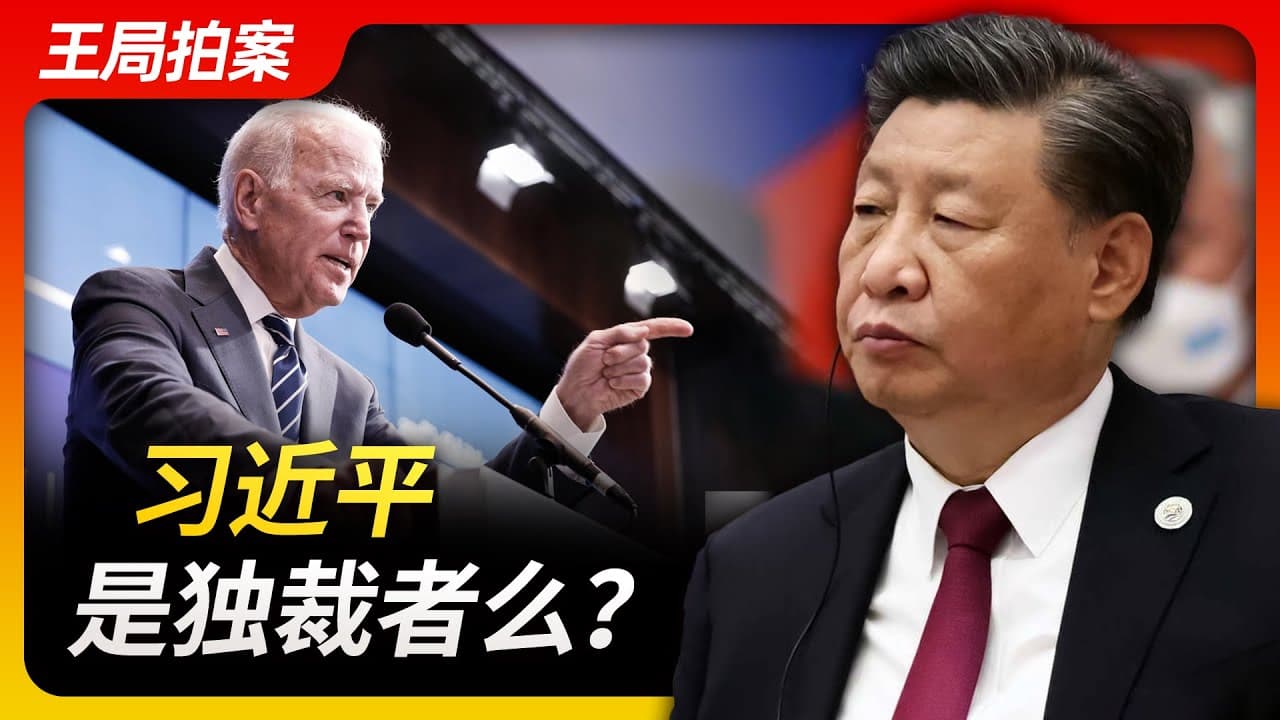
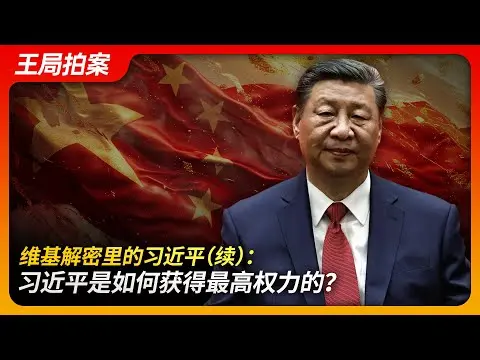
Biden called Xi Jinping a dictator during a fundraising speech, triggering diplomatic backlash. The video analyzes what constitutes dictatorship, explains how China views domestic political power, and discusses how leaders from Mao Zedong to Xi Jinping are perceived within the CCP system and internationally.
Transcript
Today is the weekend, let's talk about something light. Last week, during a fundraising event, the President of the United States, Joe Biden made a statement "the President of China, Xi Jinping, is a dictator" This statement caused a great uproar in public opinion However, his words were not specifically targeted at Xi Jinping He was referring to a... Read More
Key Insights
- Xi Jinping is examined as a potential dictator by balancing absolute political power with party control within a one party system.
- The key to understanding China’s position is recognizing the distinction between authoritarianism and the CCP’s governance framework, where power is centralized and not shared.
- Biden’s label is analyzed for diplomatic implications, showing how international statements interact with China’s diplomatic norms and media handling.
- The video argues Mao Zedong is a dictator due to decades of centralized power, while Deng Xiaoping, Jiang Zemin, and Hu Jintao are debated as to whether they fit that label within the CCP structure.
- Chinese media responses to foreign criticism are described as tightly controlled, with some segments not reported domestically and questions from foreign journalists sometimes omitted.
- The concept of party governance and term limits are discussed as factors in evaluating whether leaders are dictators in China.
- The discussion highlights the difference between rhetorical labels and the practical realities of one party rule in China.
- The video uses historical context and public statements to question how Xi Jinping is positioned in the lineage of Chinese leadership.
- More videos from this channel:
- More from this channel: 王志安
Install to Summarize YouTube Videos and Get Transcripts
Explore YouTube Video Summarizer or Get YouTube Transcript Extractor
Questions & Answers
Q: What defines a dictator according to political science, as used in the video?
A dictator is defined in the video as a person who holds all political power in a country, with that power being absolute and unconstrained. This framework is used to compare China’s one party system to broader democratic norms. The explanation emphasizes centralized control and limited or no checks on the leader’s authority, which shapes the debate over Xi Jinping’s status.
Q: Why did Biden call Xi Jinping a dictator, according to the transcript?
The transcript notes that Biden said Xi Jinping is a dictator while discussing a separate incident involving a stray balloon. The mention is used to explore the implications of labeling a foreign leader as a dictator and how such statements affect diplomatic relations, without giving more context about the incident beyond the quote.
Q: How does the video describe the Chinese reaction to Biden’s statement?
The Chinese reaction is described as strong dissatisfaction and opposition, with the Chinese Embassy criticizing the remarks as nonsense and unacceptable, and foreign ministry spokesperson Mao Ning condemning the accusation as absurd and irresponsible. This frames the incident within the broader context of diplomatic protocol and national dignity.
Q: What historical leaders are compared to Xi Jinping in the video?
The video compares Xi Jinping with Mao Zedong, Deng Xiaoping, Jiang Zemin, and Hu Jintao. It discusses whether these leaders fit the label of dictator within the CCP system, noting Mao as a dictator during his rule and raising questions about the others depending on how power was exercised and constrained within the party.
Q: How is China’s political system characterized in the video?
China’s political system is characterized as authoritarian and one party ruled, where power is monopolized by the Communist Party and opposition is limited. The video argues this system makes the question of dictatorship nuanced, since absolute power can exist within a party framework even if formal institutions do not mirror Western democracies.
Q: What example from international diplomacy is discussed to illustrate caution in labeling leaders?
The video references diplomatic etiquette, noting that even if a leader is perceived as a dictator, leaders often refrain from directly labeling peers in public to preserve future engagement opportunities. It uses examples like interactions with Kim Jong-un to illustrate how diplomacy can limit blunt public accusations.
Q: Why might domestic media in China not report certain foreign remarks, according to the transcript?
The transcript suggests that domestic media may withhold certain foreign remarks to avoid provoking public debate that could encourage questioning of Xi Jinping’s leadership. This highlights how the Chinese media ecosystem manages sensitive political topics and aligns messaging with state objectives and public sentiment.
Q: What is the main question the video raises about Xi Jinping’s place in Chinese history?
The main question is whether Xi Jinping can be considered a dictator within China’s political framework, given centralized power, party control, and the absence of shared authority. The video weighs historical precedents from Mao to Xi to explore how different leaders are interpreted in terms of authority and political legitimacy.
Summary & Key Takeaways
-
The video examines the definition of a dictator and applies it to Chinese leadership, contrasting absolute power with party rules.
-
It discusses how Chinese media and public discourse handle criticism of Xi and other leaders, noting strategic censorship and messaging.
-
It reviews each top leader from Mao to Xi to assess whether they are considered dictators within the CCP framework and public opinion.
Read in Other Languages (beta)
Share This Summary 📚
Summarize YouTube Videos and Get Video Transcripts with 1-Click
Try YouTube Summary with ChatGPT & Claude or YouTube Transcript Generator
Explore More Summaries from 王志安 📚
Summarize YouTube Videos and Get Video Transcripts with 1-Click
Try YouTube Summary with ChatGPT & Claude or YouTube Transcript Generator