How to Profit During a Recession in 2026
TL;DR
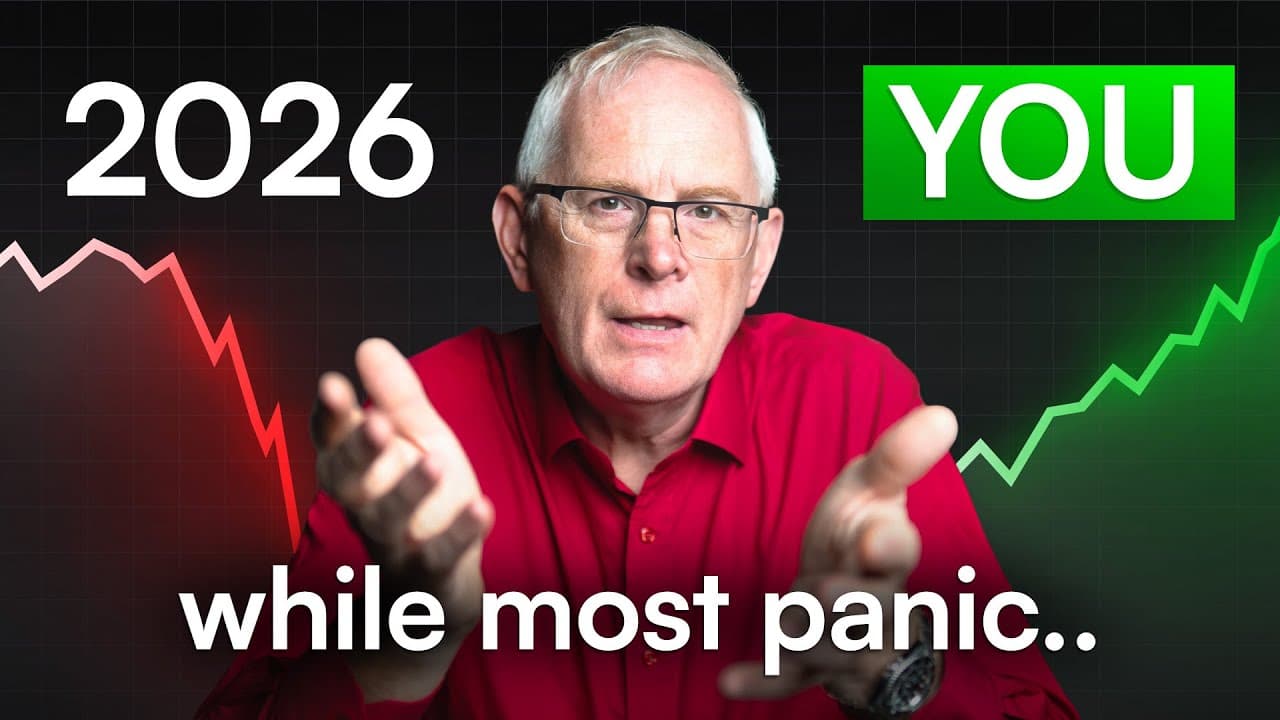
Market crashes can be opportunities for profit if you're prepared. Understand the phases of a crash: euphoria, reckoning, and phoenix. Diversify investments, reduce leverage, and save cash to buy assets at low prices. Consistent investing and risk management are key to long-term wealth growth.
Transcript
- So the stock market will crash. It's happened time and time again. This is the scary truth. However, it doesn't have to be a bad thing. As long as you are properly prepared, you can benefit from the chaos. I've been investing for more than 35 years, and as you can imagine during that time, I've experienced lots of these crashes. However, I always... Read More
Key Insights
- Market crashes are inevitable but can be profitable if prepared.
- There are three types of market declines: corrections, bear markets, and collapses.
- The euphoria phase is marked by irrational market excitement and unsustainable prices.
- The reckoning phase involves widespread panic and sell-offs as overvaluation becomes apparent.
- Diversification and reduced leverage help mitigate risks during market downturns.
- Cash reserves enable buying assets at lower prices during market dips.
- The phoenix phase sees market recovery, often surpassing previous highs.
- Consistent investing and understanding market fundamentals are crucial for long-term success.
Install to Summarize YouTube Videos and Get Transcripts
Explore YouTube Video Summarizer or Get YouTube Transcript Extractor
Questions & Answers
Q: How can you prepare for a market crash?
Preparation involves understanding the phases of a crash, diversifying investments, reducing leverage, and saving cash reserves. Diversification helps spread risk, while reducing leverage prevents forced asset sales. Cash reserves enable buying opportunities during market dips, and consistent investing helps capitalize on market recoveries.
Q: What are the phases of a market crash?
A market crash typically involves three phases: the euphoria phase, where irrational excitement drives unsustainable prices; the reckoning phase, characterized by panic sell-offs as overvaluation becomes apparent; and the phoenix phase, where the market recovers and often surpasses previous highs.
Q: Why is diversification important during a market crash?
Diversification is crucial during a market crash because it spreads investments across various sectors, reducing the impact of a decline in any single area. This strategy helps mitigate risks and increases the likelihood of maintaining investment value during downturns, providing a more stable financial footing.
Q: What is the role of cash reserves in a market downturn?
Cash reserves play a vital role during market downturns by enabling investors to purchase assets at lower prices, often referred to as buying the dip. Having cash on hand allows for strategic investments when market prices are depressed, potentially leading to significant gains when the market recovers.
Q: How does reducing leverage help during a market crash?
Reducing leverage during a market crash helps prevent forced asset sales due to margin calls, which occur when borrowed funds exceed asset values. By minimizing leverage, investors reduce the risk of having to sell investments at a loss, preserving capital and allowing for better financial stability.
Q: What is the significance of the phoenix phase in a market crash?
The phoenix phase signifies the market's recovery and potential to exceed previous highs following a crash. This phase highlights the resilience of markets and underscores the importance of consistent investing, as those who remain invested through downturns often benefit from substantial gains during recoveries.
Q: Why is consistent investing important in volatile markets?
Consistent investing is important in volatile markets because it allows investors to take advantage of dollar cost averaging, buying more shares when prices are low. This approach reduces the overall cost of investments and positions investors to benefit from market recoveries, enhancing long-term wealth growth.
Q: How can understanding market fundamentals aid in investment decisions?
Understanding market fundamentals aids investment decisions by providing insight into a company's financial health, industry position, and growth potential. This knowledge helps investors make informed choices, reducing the likelihood of panic selling during downturns and increasing confidence in long-term investment strategies.
Summary & Key Takeaways
-
Market crashes offer opportunities if you're prepared. Recognize the three phases: euphoria, reckoning, and phoenix. Diversify investments and reduce leverage to manage risk. Save cash to buy assets at low prices. Consistent investing and understanding fundamentals are key.
-
The euphoria phase involves unsustainable excitement, while the reckoning phase triggers panic sell-offs. Diversification and reducing leverage help mitigate risks. Cash reserves allow for purchasing assets at lower prices during downturns.
-
The phoenix phase marks recovery, often exceeding previous highs. Consistent investing and understanding market fundamentals are crucial for long-term success. Market crashes are inevitable but can be profitable if strategically navigated.
Read in Other Languages (beta)
Share This Summary 📚
Summarize YouTube Videos and Get Video Transcripts with 1-Click
Try YouTube Summary with ChatGPT & Claude or YouTube Transcript Generator
Explore More Summaries from Mark Tilbury 📚






Summarize YouTube Videos and Get Video Transcripts with 1-Click
Try YouTube Summary with ChatGPT & Claude or YouTube Transcript Generator