How to Earn $17K Per Week from Stock Investments
TL;DR
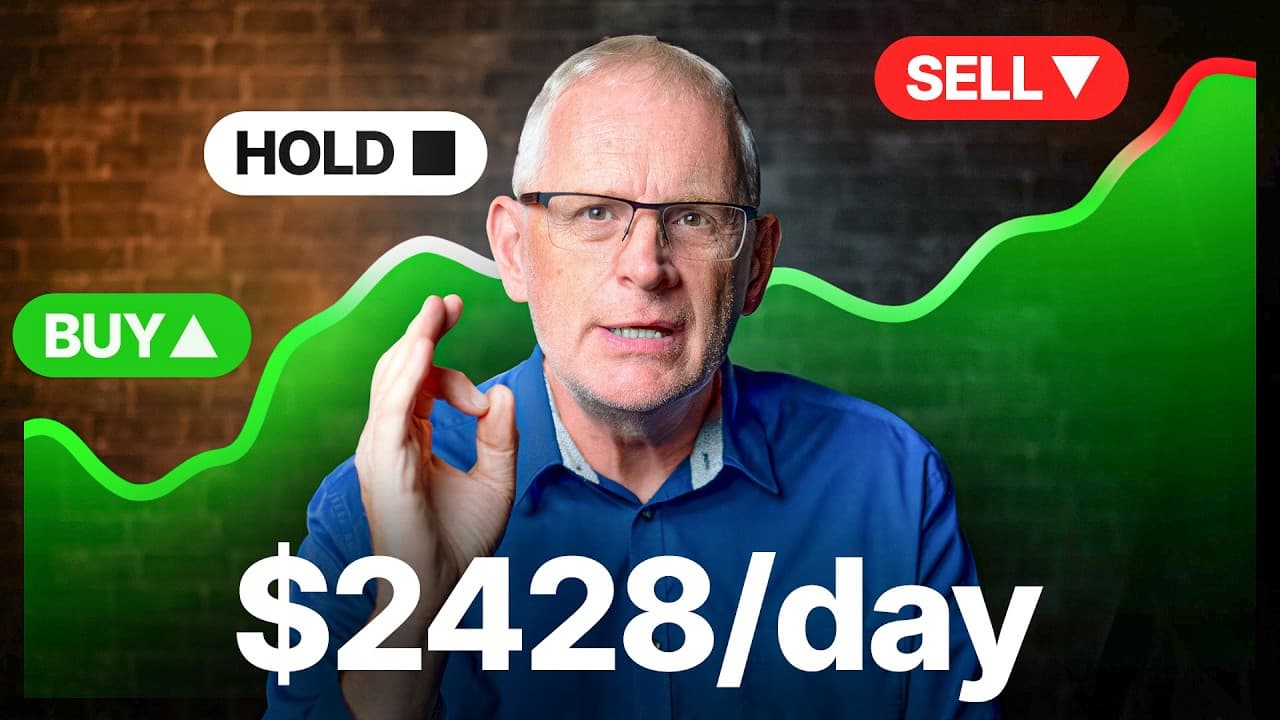
Investing in stocks can generate weekly income of $17K if you start early and focus on compound interest. Pay off high-interest debts and build an emergency fund before investing to minimize risks. Utilize index funds for diversification and consider investment apps for fractional shares to ease into stock trading.
Transcript
this is my father mvin Tilbury he's one of the hardest working people I know and as a kid I remember him working in a factory job making cable ties and a side hustle cutting grass so he could provide for me and my mom and my three sisters he'd stash away any extra money he made in a shoe box as well as a bank account that paid littl... Read More
Key Insights
- Investing is crucial to combat inflation, which erodes money's value over time. By investing, you can grow your wealth and potentially achieve financial independence.
- The stock market offers two main ways to earn: through stock price appreciation and dividends. Both methods can significantly increase your wealth over time.
- Compound interest is a powerful tool in investing. By reinvesting your earnings, your investments grow exponentially, making time an essential factor in wealth accumulation.
- Starting to invest early in life is advantageous as it allows more time for investments to grow and recover from market downturns, which are inevitable.
- Before investing, it's essential to pay off high-interest debts and build an emergency fund to avoid financial setbacks during emergencies.
- Diversification is key to reducing risk in investments. Index funds, which track a broad market index, are a low-cost way to achieve diversification.
- Investing apps now allow fractional shares, making it easier for beginners to start investing with small amounts and gain experience without significant risk.
- Understanding the difference between technical and fundamental analysis can help in stock selection, but for most investors, focusing on fundamentals and index funds is recommended.
Install to Summarize YouTube Videos and Get Transcripts
Explore YouTube Video Summarizer or Get YouTube Transcript Extractor
Questions & Answers
Q: Why Should I Invest?
Investing is crucial because it helps combat inflation, which gradually erodes the value of money. By investing, you can grow your wealth over time, potentially achieving financial independence. Moreover, investing allows you to take advantage of compound interest, which significantly boosts your financial growth by reinvesting earnings.
Q: How can I make money investing in stocks?
You can earn money from stocks through price appreciation and dividends. When a stock's price increases, you can sell it for a profit. Dividends are regular payments made to shareholders from a company's earnings. Both methods can significantly increase your wealth, especially when combined with the power of compound interest.
Q: When should I start investing?
The best time to start investing is as soon as possible. Starting early allows more time for your investments to grow and recover from any market downturns. The longer your money is invested, the more you benefit from compound interest, exponentially increasing your wealth over time.
Q: How Much Should I Invest?
The amount to invest depends on your financial situation and comfort. A general guideline is the 70-20-10 rule: 70% for living expenses, 20% for investments, and 10% for discretionary spending. This approach balances financial growth with enjoying life, ensuring you don't miss out on experiences while building wealth.
Q: How do I buy a stock?
To buy stocks, you need to open an investment account with a brokerage or use investment apps. These platforms allow you to purchase stocks, including fractional shares, enabling you to start investing with small amounts. It's essential to choose the right account type to maximize tax advantages and investment growth.
Q: How Do I Pick The Best Stocks?
Choosing stocks involves understanding technical and fundamental analysis. Technical analysis focuses on chart patterns to predict price movements, while fundamental analysis examines a company's financial health, leadership, and market position. For long-term success, focus on fundamentals and consider diversifying with index funds.
Q: What’s an Index Fund?
An index fund is a type of mutual fund or ETF that tracks a specific market index, like the S&P 500. It provides diversification by investing in a broad range of companies, reducing risk. Index funds are passively managed, resulting in lower fees and often outperforming actively managed funds over time.
Q: Is Investing Risky?
Investing carries risks, but not investing also poses risks, such as inflation eroding your savings. Diversification through index funds and a long-term investment strategy can mitigate risks. Historical data shows that diversified portfolios tend to recover from market crashes, making investing a viable way to grow wealth over time.
Summary & Key Takeaways
-
Investing is essential to combat inflation and grow wealth. By starting early, you can take advantage of compound interest, which significantly boosts investment growth over time.
-
Before investing, ensure you have paid off high-interest debts and built an emergency fund. Diversification through index funds is a recommended strategy for minimizing risk.
-
Fractional shares and investment apps make it easier for beginners to start investing with small amounts. Understanding the basics of stock analysis can aid in making informed investment decisions.
Read in Other Languages (beta)
Share This Summary 📚
Summarize YouTube Videos and Get Video Transcripts with 1-Click
Try YouTube Summary with ChatGPT & Claude or YouTube Transcript Generator
Explore More Summaries from Mark Tilbury 📚






Summarize YouTube Videos and Get Video Transcripts with 1-Click
Try YouTube Summary with ChatGPT & Claude or YouTube Transcript Generator