What Happens If Saudi Joins BRICS and a New Currency
TL;DR
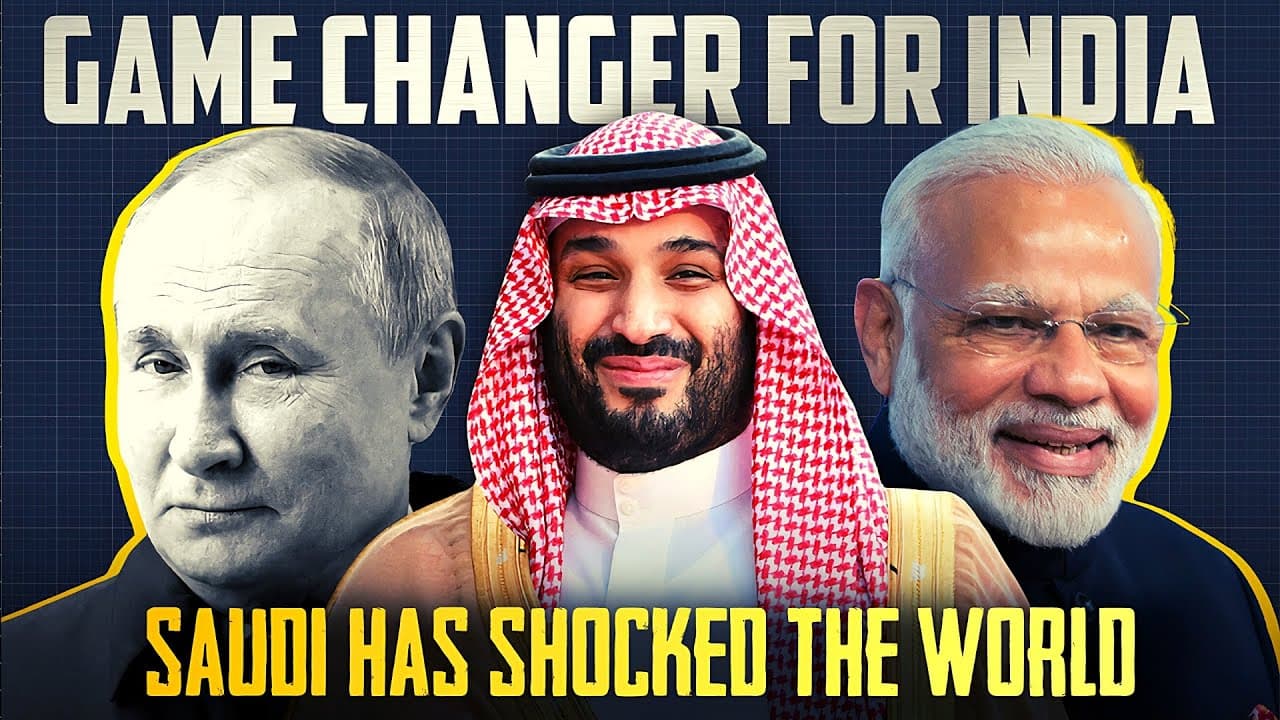
Saudi Arabia seeks BRICS membership, aligning with Russia and China, potentially shifting oil markets and dollar dynamics. A BRICS currency and currency swap ideas could reduce dollar dependence and impact US debt financing. The video explains BRICS, Saudi motives, and likely consequences.
Transcript
The world's largest oil producer, Saudi Arabia, is reportedly asking to join BRICS. Now, BRICS is an acronym for the five major emerging global economies, namely Brazil, Russia, India, China, and South Africa. International reserve currency planned by Russia and China. Now, the announcement of a reserve currency was made by Russian President Vladim... Read More
Key Insights
- BRICS stands for Brazil, Russia, India, China and South Africa, a bloc of five large emerging economies.
- BRICS countries together account for about 41 percent of the world population and have a combined GDP of over 24.4 trillion US dollars.
- A carbon border tax is discussed by Western countries to level the playing field for goods from different regions.
- The New Development Bank provides low-interest loans to support member development projects.
- Saudi Arabia seeks BRICS membership partly to align with oil buyers among BRICS members, strengthening its economic and strategic position.
- Saudi actions include cutting oil production in coordination with OPEC to influence prices and revenue.
- A bilateral currency swap within BRICS could allow oil trade without using dollars, weakening the dollar’s global dominance.
- US reactions to Saudi BRICS moves could disrupt the petro dollar framework and affect US interest rates and security commitments.
Install to Summarize YouTube Videos and Get Transcripts
Explore YouTube Video Summarizer or Get YouTube Transcript Extractor
Questions & Answers
Q: A real search query question about the video (e.g. 'How to...', 'What is...', 'Why does...', 'When should...'). Question 1
Saudi Arabia seeks BRICS membership as part of a broader strategy to diversify alliances beyond the United States and to strengthen ties with China and Russia, which are key BRICS members. This shift could influence oil revenue strategies, reduce reliance on the dollar, and potentially alter global balance of power by integrating Saudi into a bloc that includes the world’s largest emerging economies and major oil buyers. The move also signals strategic utilization of BRICS mechanisms like currency discussions and development funding to support long term economic goals.
Q: Question 2
Joining BRICS could change how oil flows are priced and traded, especially if a BRICS currency or currency swap agreements reduce the need to use the dollar for oil transactions. That would lessen the dollar’s dominance in energy markets and could impact foreign reserve management by countries that currently hold large dollar reserves for petro-dollar recycling. The implications include potential shifts in financial market dynamics and policy responses from Western economies.
Q: Question 3
The BRICS framework includes major emerging economies with significant population and GDP, which gives the bloc a growing voice in global policy discussions. By coordinating on issues such as development finance through the New Development Bank and environmental trade rules like carbon border taxes, BRICS can influence global trade norms and investment flows, creating openings for member economies to pursue independent strategies.
Q: Question 4
The video explains that Western policies, including carbon border taxes, could affect BRICS members by pushing them to adapt to new trade rules and greener policies while maintaining competitive advantage. This dynamic can incentivize BRICS to strengthen internal trade, reduce dependency on Western financial systems, and promote alternative payment and settlement arrangements that support growth in member economies.
Q: Question 5
A key motivation for Saudi Arabia to pursue BRICS membership is buoying oil revenue through closer alignment with the world’s largest oil buyers, including China, India, and Brazil. By joining, Saudi aims to secure economic partnerships that complement OPEC decisions, potentially stabilizing markets and expanding strategic options for energy sales while also hedging against unilateral Western pressure.
Q: Question 6
The BRICS currency concept introduces the idea of a shared or alternative settlement mechanism among member states that could bypass traditional dollar transactions for some trades. If implemented, this could reduce currency exchange frictions and influence bilateral agreements, reshaping how countries manage foreign reserves and interact with global financial institutions.
Q: Question 7
Currency swap arrangements within BRICS could let member nations exchange their currencies directly for settled trade, reducing dependence on the dollar as an intermediary. Over time, this may alter reserve portfolios of central banks, affect exchange rate strategies, and influence commercial financing costs for businesses engaging in BRICS trade.
Q: Question 8
The video highlights potential US policy responses if Saudi joins BRICS, including sanctions and measures that could affect defense and security cooperation. Such responses would have broad implications for global security dynamics, investor confidence, and the cost of capital in the United States, possibly influencing interest rates and geopolitical risk assessments.
Summary & Key Takeaways
-
Saudi Arabia explores joining BRICS to reshape global power dynamics and align with major oil buyers. The video explains BRICS as an alliance of five emerging economies with significant influence, including population share, GDP, and growing political weight. It also discusses potential economic tools like a BRICS currency and currency swaps and their impact on dollar dominance.
-
Saudi motives include stabilizing revenues through oil production decisions and diversifying partnerships beyond the US, especially with China and Russia. The analysis covers internal US responses, sanctions, and how Saudi could leverage BRICS to balance security and economic interests.
-
Key consequences include possible shifts in reserve currency dynamics, potential changes to US interest rates via reduced pro-dollar recycling, and the strategic realignment of alliances in response to OPEC actions and Western policy shifts.
Read in Other Languages (beta)
Share This Summary 📚
Summarize YouTube Videos and Get Video Transcripts with 1-Click
Try YouTube Summary with ChatGPT & Claude or YouTube Transcript Generator
Explore More Summaries from Think School 📚




Summarize YouTube Videos and Get Video Transcripts with 1-Click
Try YouTube Summary with ChatGPT & Claude or YouTube Transcript Generator