How Was the Warcraft Game Universe Built and Evolved Over Its First 30 Years?
TL;DR
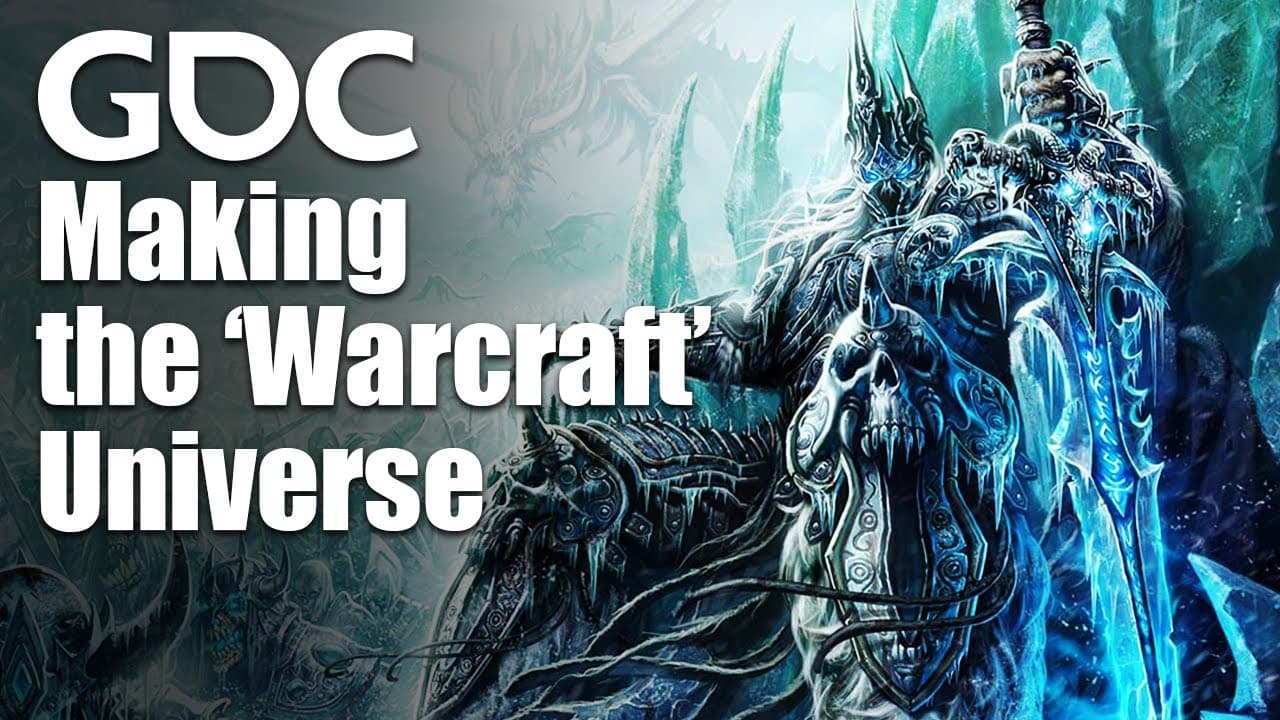
Warcraft endured for 30 years by evolving its technology, gameplay, and storytelling while preserving a recognizable fantasy universe and strong player community. Its stylized visuals resist becoming quickly outdated, Warcraft Classic revived early experiences, and Dragonflight returned to the high-fantasy settings players wanted. Read on for the specific creative, community, and development decisions behind that longevity.
Transcript
Hello. Hello. You hear me? Ok, good morning everyone. Thank you so much for, for getting up and braving this early morning. Uh I was worried it was gonna be an empty room because of all the parties last night and get together. So I appreciate so much seeing all of you here. Got the most essential items here, got coffee, got a clicker. Uh I got a li... Read More
Key Insights
- Warcraft's universe was built on a familiar fantasy setting, making it accessible globally.
- The visual style of Warcraft is stylized rather than photorealistic, allowing it to remain timeless.
- Storytelling in Warcraft connects players to key characters and conflicts, enhancing engagement.
- Evolving gameplay in Warcraft has focused on reducing complexity and experimenting with new modes.
- Community is central to Warcraft's success, with player feedback shaping development.
- Warcraft Classic allowed players to relive early experiences, fostering a strong, nostalgic community.
- Dragonflight expansion returned to high fantasy, addressing player desires for more familiar settings.
- Blizzard committed to regular content updates, improving player engagement and retention.
Install to Summarize YouTube Videos and Get Transcripts
Explore YouTube Video Summarizer or Get YouTube Transcript Extractor
Questions & Answers
Q: How did the Warcraft universe evolve over its first 30 years?
Warcraft evolved by adapting its technology, gameplay, storytelling, and content to changing player expectations. Blizzard also retained a familiar fantasy setting, stylized visuals, humor, challenging play, and an emphasis on connecting people through an inclusive global community.
Q: What was Blizzard's mission for the Warcraft universe?
The stated mission was to build a fantasy universe that “delights and connects everyone everywhere.” That meant telling deep, engaging stories, balancing danger and challenges with humor, and creating inclusive communities where players could be who they wanted to be.
Q: How did Warcraft's visual style contribute to its longevity?
Warcraft used a stylized visual approach instead of pursuing photorealism. This helped its graphics remain recognizable and resist becoming quickly outdated as technology changed.
Q: What role did community feedback play in Warcraft's development?
Community was central to Warcraft, and player feedback influenced updates and expansions. Blizzard used surveys, forums, and community councils to understand preferences and shape changes around what players wanted.
Q: Why was Warcraft Classic significant?
Warcraft Classic let players revisit the game's early experiences and its more challenging mechanics. It fostered a nostalgic community alongside the main game and attracted both veteran and new players.
Q: How did Dragonflight respond to player expectations?
Dragonflight returned Warcraft to high fantasy and deeper storytelling after players asked for more familiar settings. It also brought back beloved characters and introduced vibrant zones, helping renew player interest.
Q: How did Warcraft adapt to changing player habits?
Warcraft reduced gameplay complexity, experimented with new modes, and maintained regular content updates. These changes aimed to make the game more accessible and engaging for both new and veteran players.
Q: How did Warcraft serve players across different countries and cultures?
Warcraft operated globally in many languages and incorporated mythology from across the world. Its localization teams adapted jokes and other details for individual regions instead of relying only on literal translations, helping the game feel locally made.
Summary & Key Takeaways
-
Warcraft's universe has thrived by adapting to technological changes and player expectations, focusing on a familiar fantasy setting and a stylized visual approach that remains timeless. Key storytelling and character development have connected players deeply to the game world, while evolving gameplay has kept it accessible and engaging.
-
Community engagement has been a cornerstone of Warcraft's success, with player feedback directly influencing game development. The introduction of Warcraft Classic allowed fans to experience the game's early days, reinforcing a strong, nostalgic community that complements the main game.
-
The Dragonflight expansion marked a return to high fantasy, addressing player desires for familiar settings and deeper storytelling. Blizzard's commitment to regular content updates has maintained player interest and engagement, ensuring Warcraft's continued relevance and success in the gaming world.
Read in Other Languages (beta)
Share This Summary 📚
Summarize YouTube Videos and Get Video Transcripts with 1-Click
Try YouTube Summary with ChatGPT & Claude or YouTube Transcript Generator
Explore More Summaries from GDC Festival of Gaming 📚
Summarize YouTube Videos and Get Video Transcripts with 1-Click
Try YouTube Summary with ChatGPT & Claude or YouTube Transcript Generator