How to Build Narrative VFX for Creature Battles
TL;DR
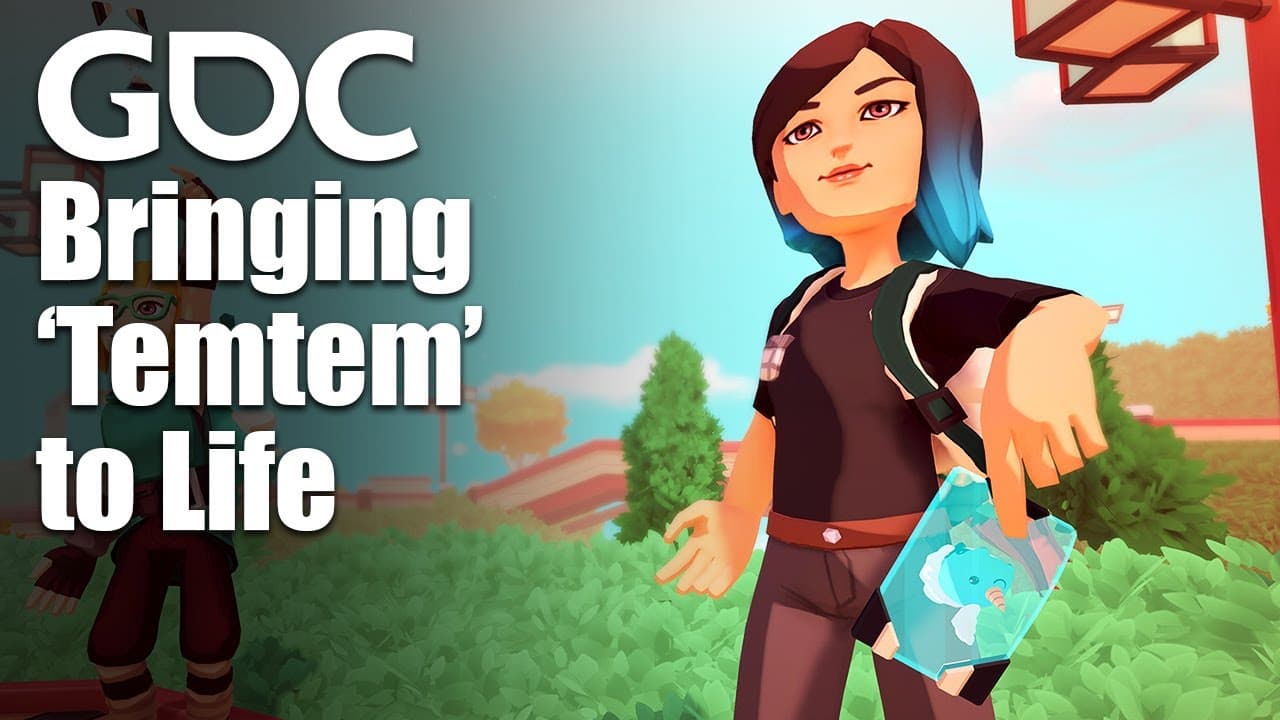
Narrative VFX starts by translating gameplay details into an effect’s duration, scale, staging, and visual impact. Temtem’s artists combine damage, hold time, stamina, priority, targets, conditions, elemental shape language, and creature size to guide each animation, while rapid key-frame concepts and close collaboration help the small team maintain a coherent style across more than 350 techniques.
Transcript
hello there everybody Welcome to our talk creating narrative FAL facts in temptem we're super honored to kick off the offal facts Summit right now and yeah without further Ado let's go let's show some magic all right of course it's good to know who you're listening to at least so my name is case I'm a senior fishal effect artist at kma games I star... Read More
Key Insights
- Narrative VFX is created by treating an attack as a visual story with deliberate timing, staging, escalation, and impact. Temtem’s battle format gives its artists room to emphasize these qualities because the effects are mostly contained within turn-based 2v2 encounters.
- Temtem is an MMO creature collector built by Crema Games, a Spanish team of around 30 people. Its combat primarily uses turn-based 2v2 battles, and its visual effects were developed in Unity with the built-in rendering pipeline.
- The VFX team consisted of four artists in total, with no more than two working simultaneously. This limited staffing encouraged a collaborative workflow in which the artists repeatedly exchanged paintovers, timing adjustments, and refinements rather than separating every production stage among specialists.
- Gameplay details are the foundation of an effect’s visual design. Elemental typing, attack category, damage, stamina cost, hold time, priority, target count, and conditions such as poison, burning, or freezing collectively determine how large, long, and spectacular an animation should appear.
- Hold time controls the expected duration of a technique animation. Effects with lower requirements may need to fit within 2–3 seconds, while techniques with the highest hold values can occupy 8–9 seconds, giving the artists a concrete timing framework before production begins.
- Damage helps determine spectacularity and prevents every attack from receiving the same level of visual emphasis. Techniques can deal no damage, relatively low damage, or reach 150 damage, so their scale and intensity must communicate meaningful differences without making every move equally prominent.
- Rapid concept drawings focus on the largest or most impactful key frame of an attack. These sketches can establish the intended direction within roughly 15 minutes, allowing the art director, lead VFX artist, and collaborating artists to discuss composition and intent before detailed implementation.
- Elemental palettes and shape languages provide a reusable visual reference for Temtem’s 12 types. These guidelines support consistency across more than 350 techniques and also help artists make reliable color choices, including situations where an artist has difficulty distinguishing certain color values.
Install to Summarize YouTube Videos and Get Transcripts
Explore YouTube Video Summarizer or Get YouTube Transcript Extractor
Questions & Answers
Q: How do you create narrative VFX for a creature battle?
Narrative VFX begins by identifying the story of the attack and connecting that story to gameplay requirements. The artist considers its element, damage, duration, stamina cost, priority, targets, and status conditions, then plans timing, staging, escalation, and impact. A quick drawing of the strongest key frame can align the team before production, while later paintovers and timing adjustments refine the sequence.
Q: Why can Temtem emphasize storytelling in its visual effects?
Temtem’s effects are primarily contained inside turn-based 2v2 battle zones, where information that may be essential in competitive or adventure games is less relevant to the presentation. The artists still follow design constraints such as damage, stamina, targets, and conditions, but the format gives them considerable creative freedom to investigate narrative qualities and build more elaborate visual sequences.
Q: Which gameplay details guide the scale of a VFX animation?
The artists evaluate several details together rather than relying on a single statistic. These include elemental type, physical or special category, damage, stamina cost, hold time, turn priority, number of targets, and applied conditions such as poison, burning, or freezing. Their combination indicates how long the effect should last, how large it should become, and how much spectacle it should deliver.
Q: How does hold time affect attack animation duration in Temtem?
Hold time establishes a practical expectation for how long a technique can remain on screen. Some animations must communicate their action within approximately 2–3 seconds, while techniques with the highest hold requirements can last 8–9 seconds. Knowing this duration before production helps the artist structure the sequence, allocate time to its narrative beats, and avoid designing an effect that conflicts with combat pacing.
Q: How does damage influence the spectacularity of an effect?
Damage serves as a guide for visual emphasis. Temtem includes techniques that deal no damage, attacks with relatively low values, and techniques reaching 150 damage. If every move received the same highly spectacular treatment, none would stand out. The artists therefore use damage alongside other gameplay properties to decide the appropriate scale, intensity, impact, and overall prominence of each animation.
Q: How do quick concepts improve the VFX production workflow?
The artists draw the most important or impactful key frame before committing to detailed implementation. Even a rough sketch can communicate the proposed composition and narrative direction in roughly 15 minutes. This gives the art director and lead VFX artist an early opportunity to discuss the idea, while supporting fast collaboration through later paintovers, timing changes, and small visual refinements.
Q: How does Temtem keep elemental effects visually consistent?
Each of Temtem’s 12 elemental types has an established color palette and shape language. The VFX artists use these references when designing water, electrical, fire, earth, melee, crystal, and other effects. The system creates a coherent visual foundation across many techniques and provides practical color guidance, including for an artist who has difficulty distinguishing some yellow values.
Q: Why must attack effects account for different creature sizes?
Temtem contains 164 creatures and more than 350 techniques, and every technique must look appropriate when used on or resisted by different creatures. A small creature, a middle-sized creature, and a very large mythical creature occupy the battle space differently. The artists therefore adjust effect scale and related presentation details so that the same technique remains readable and convincing across these varied targets.
Summary & Key Takeaways
-
Crema’s VFX artists treat combat effects as short narrative sequences rather than isolated displays. Temtem’s contained 2v2, turn-based battles impose fewer information constraints than competitive or adventure games, allowing the artists to explore storytelling through animation, staging, timing, spectacle, signature moves, and interactions between creatures and their attacks.
-
The production workflow begins with an effect idea and concrete gameplay information. The artists consider elemental type, category, damage, stamina, hold time, priority, target count, and applied conditions before establishing the effect’s size and duration. Quick drawings of the most impactful key frame enable early discussion and efficient creative alignment.
-
Consistency presents a major production challenge because Temtem contains 12 elemental types, 164 creatures, and more than 350 techniques. Each technique must accommodate small, medium, and very large creatures, and creatures may potentially use or resist every technique. Established color palettes, shape languages, and careful scaling keep these effects coherent and reusable.
Read in Other Languages (beta)
Share This Summary 📚
Summarize YouTube Videos and Get Video Transcripts with 1-Click
Try YouTube Summary with ChatGPT & Claude or YouTube Transcript Generator
Explore More Summaries from GDC Festival of Gaming 📚
Summarize YouTube Videos and Get Video Transcripts with 1-Click
Try YouTube Summary with ChatGPT & Claude or YouTube Transcript Generator