How to Become a Recession-Proof Sales Agent in 3 Steps
TL;DR
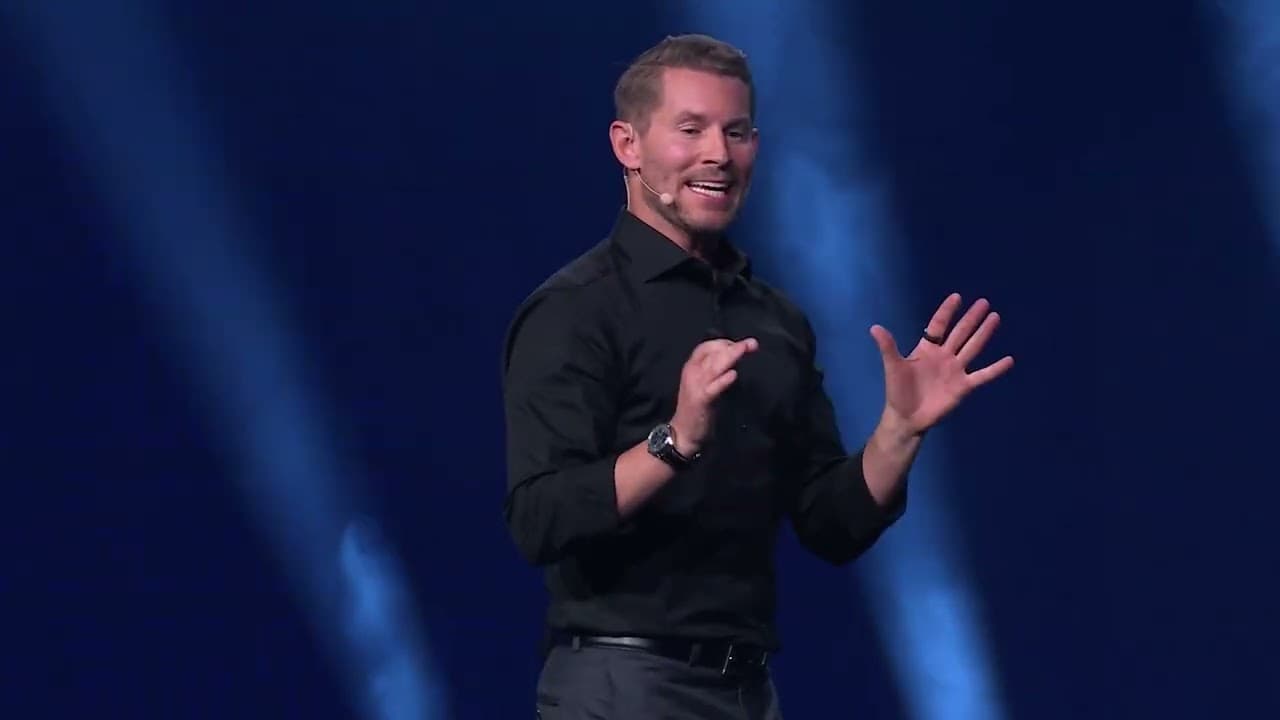
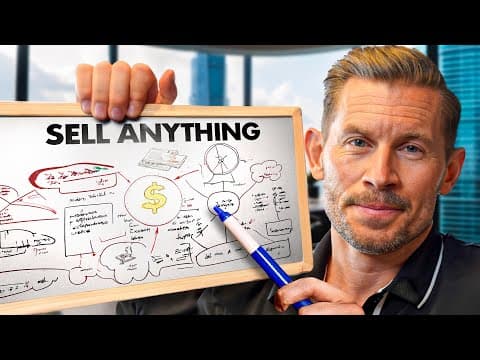
Be a problem finder and problem solver rather than a product pusher. The method centers on three steps: become a problem finder and solver, ask the right questions at the right time, and eliminate sales resistance quickly to open prospects. This approach focuses on selling outcomes and change, not just the policy or product.
Transcript
all right here we go the single most effective way to sell anything to anyone in 2021 is to be a problem finder and a problem solver not a product Pusher he's the chairman of seventh level a global sales training company seventh level was ranked the number one fastest growing sales training company in the USA in 2021 by Inc Magazine's Inc 5000 fast... Read More
Key Insights
- Problem finding and solving is the core of effective selling, not pushing a product.
- Selling success depends on reframing the sale as delivering change that reduces risk for the buyer.
- The right questions must be asked at the right time to uncover needs and create value.
- Disarming resistance early in the conversation increases prospect openness and engagement.
- Selling focuses on outcomes and the benefits of the solution rather than the features of the product.
- Changing buyer behavior is possible when salespeople reduce fear of change and present clear value.
- A salesperson's credibility is reinforced by showing how their approach helps the buyer achieve concrete results.
- A recession-proof strategy combines mindset, questioning technique, and resistance management to sustain revenue.
- More videos from this channel:
- More from this channel: Jeremy Miner
Install to Summarize YouTube Videos and Get Transcripts
Explore YouTube Video Summarizer or Get YouTube Transcript Extractor
Questions & Answers
Q: A real search query question about the video (e.g. 'How to...', 'What is...', 'Why does...', 'When should...'). Question 1
How can a sales agent become a problem finder and problem solver rather than a product pusher according to the video, and why is this shift important for resilience during tough markets? The video emphasizes that selling is about change and the outcomes a policy or service delivers, not merely the item itself. This mindset helps build trust, demonstrate value, and reduce buyer resistance by focusing on how change reduces risk for the buyer. The three-step framework guides this transformation by defining the approach, timing of questions, and ways to lower resistance in conversations.
Q: Question 2
What are the three steps to becoming a recession-proof sales agent as described, and how does each step contribute to sales resilience? The steps are: become a problem finder and solver, ask the right questions at the right time, and eliminate sales resistance. The first step shifts the focus from product features to buyer outcomes, the second optimizes inquiry to uncover genuine needs, and the third shortens the path to engagement by disarming objections early, enabling a smoother path to change for the buyer.
Q: Question 3
Why does the video say that changing buyer behavior is possible and what is the role of familiarity and consistency in this context? Buyers value consistency and familiarity over new ideas, so sales approaches that respect this tendency by presenting clear, familiar benefits and minimizing perceived risk are more effective. By framing the sale around change that the buyer can imagine as beneficial and familiar, the salesperson reduces resistance and increases the likelihood of agreement.
Q: Question 4
How does the presentation describe what is being sold in an insurance context, and what is the implied focus for sales conversations? The video notes that sales is not selling the policy itself but the results of what the policy does, such as financial protection for a family in the future. The implied focus is on outcomes and peace of mind, and how those outcomes improve the buyer’s situation compared with the status quo.
Q: Question 5
What does the video suggest about the role of questions in a sales conversation and the timing of asking them? It suggests that asking the right questions at the right time is crucial for uncovering needs and guiding the buyer toward change. The timing and tone of questions influence how open the buyer becomes and how effectively the salesperson can match solutions to the buyer’s situation.
Q: Question 6
How is resistance addressed in the initial moments of a sales interaction according to the video? Resistance is addressed by disarming the prospect early, within the first 10 to 30 seconds up to the first minute, through a non-pushy approach, building trust, and demonstrating understanding of the buyer’s situation before detailing the product or policy.
Q: Question 7
What personal background does the presenter share to illustrate the sales framework, and why is this relevant to the three-step method? The presenter recounts starting in door-to-door sales with no guaranteed income and learning from that experience how to influence buyer behavior ethically. This background underscores the importance of understanding buyer psychology, building credibility, and applying the three-step method in practical sales scenarios.
Q: Question 8
What is the core definition of selling provided in the video and how does it relate to the concept of change? The core definition is that selling is change. Every sales interaction aims to shift the buyer's situation toward a better outcome, whether they are moving toward a new product or away from pain, and this reframing helps align the salesperson with the buyer's goals.
Summary & Key Takeaways
-
This video presents a three-step framework to build resilience against recessions by changing the sales approach from pushing products to solving client problems, emphasizing the emotional and behavioral aspects of buying decisions.
-
The first step is to adopt a problem finder and solver mindset, recognizing that selling is about delivering change and the benefits of the product rather than the product itself.
-
The second and third steps involve asking timely, right questions and disarming resistance within the initial moments of the conversation to build trust and openness with prospects.
Read in Other Languages (beta)
Share This Summary 📚
Summarize YouTube Videos and Get Video Transcripts with 1-Click
Try YouTube Summary with ChatGPT & Claude or YouTube Transcript Generator
Explore More Summaries from Jeremy Miner 📚


Summarize YouTube Videos and Get Video Transcripts with 1-Click
Try YouTube Summary with ChatGPT & Claude or YouTube Transcript Generator