How to Double Your Closing Rate in Seven Days
TL;DR
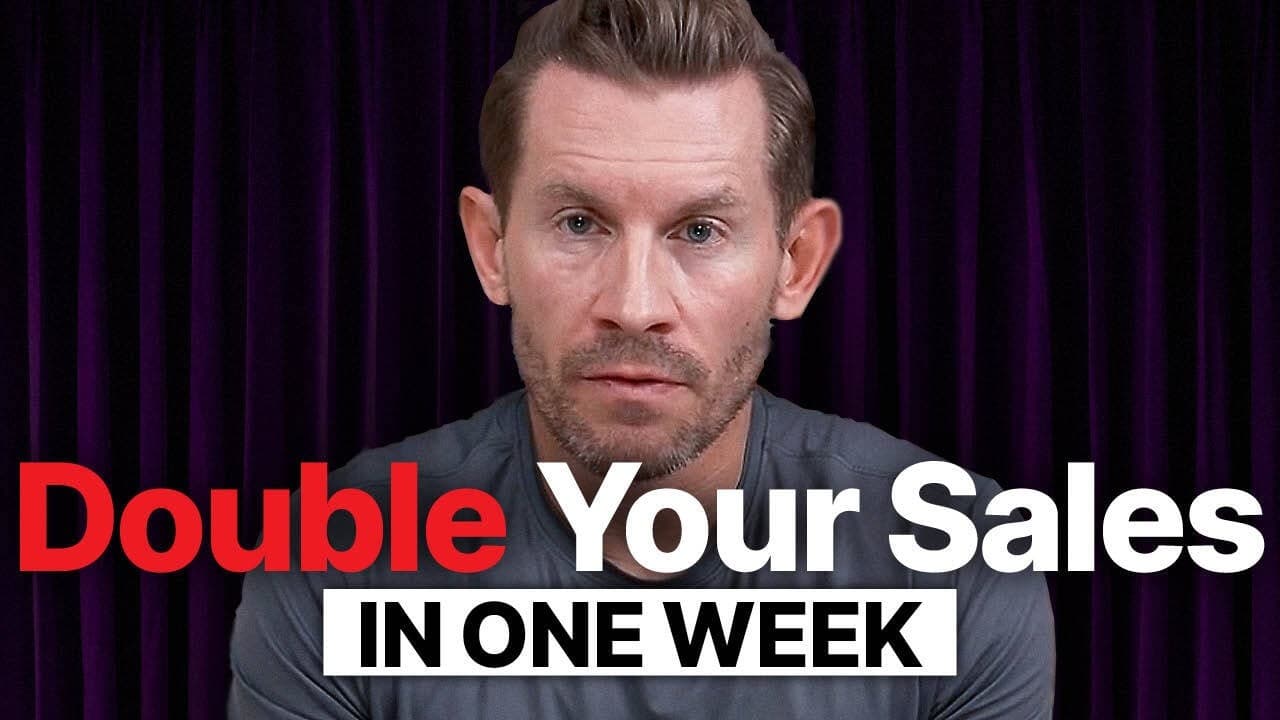
The method hinges on mastering the five stages of the sale to remove resistance and guide prospects toward a results based mindset. Start by building connection, then engage with situation and problem awareness questions, move through transition and presentation stages, and finally secure commitment. Practicing these steps can lift closing rates quickly by reframing conversations around the buyer’s outcomes.
Transcript
It doesn't take years to get good at sales. You can actually double your closing rate in the next seven days. [Applause] Now, let me show you how cuz it's going to be depending on this one thing I'm about to show you. It's dependent on understanding the stages of the sale. We call this the five stages of the sale. Okay? So, understanding the five s... Read More
Key Insights
- The five stages of the sale are the foundation of this approach and are essential to structure every sales conversation. Understanding each stage prevents aimless pitching and increases the probability of a favorable outcome.
- Connection questions shift focus away from the salesperson and toward the prospect, which lowers defensiveness and builds initial trust in minutes. Mastery of tone and phrasing is critical to lowering resistance.
- Engagement stage uses situation questions to uncover the real context and the risk scenario, ensuring you understand not just surface issues but the deeper drivers behind buying decisions.
- Problem awareness questions help the buyer discover problems they may not fully recognize, creating a gap between current reality and future outcomes that your solution can fill.
- The transition stage prepares the buyer for a natural shift from understanding needs to exploring how your offering meets those needs, reducing abrupt asks for commitment.
- The presentation stage tailors the solution around the discovered gaps and outcomes, presenting concrete value, ROI, and practical next steps to maintain momentum.
- The commitment stage seals the next steps and solidifies the buyer’s intention to move forward, turning insights into a concrete action plan and timeline.
- The framework aims to double closing rates by focusing on buyer psychology, reducing resistance early, and guiding conversations toward tangible outcomes rather than generic pitches.
- More videos from this channel:
- More from this channel: Jeremy Miner
Install to Summarize YouTube Videos and Get Transcripts
Explore YouTube Video Summarizer or Get YouTube Transcript Extractor
Questions & Answers
Q: A real search query question about the video (e.g. 'How to...', 'What is...', 'Why does...', 'When should...'). Question 1
What is the core idea behind the five stages of the sale and how does it increase closing rates within a week? The five stages provide a structured conversation that moves from building rapport to uncovering real problems, reframing the buyer to focus on outcomes, and finally securing a clear commitment. This sequence reduces resistance by avoiding wasteful talking about products and instead centers on the buyer’s needs and results.
Q: Question 2
How do connection questions influence a buyer depends on tone and timing, and why is that critical in the early minutes of a sale? Connection questions set the relationship tone by shifting focus away from the salesperson and onto the prospect, which lowers defensiveness, builds trust, and makes subsequent questions more effective. The early minutes determine whether the conversation will feel like a forced pitch or a collaborative problem solving session.
Q: Question 3
Why are situation questions important in the engagement stage, and what do they reveal about a prospect’s real situation? Situation questions reveal the authentic context behind a prospect’s stated needs, enabling you to map out how their current reality diverges from desired outcomes. This clarity helps in prioritizing issues and guiding the discussion toward meaningful next steps rather than superficial answers.
Q: Question 4
What is problem awareness and how does it help create a gap between the buyer’s current state and desired outcomes? Problem awareness questions uncover latent issues the buyer may not fully recognize, expanding the scope of what needs changing. They help create a measurable gap that justifies the value of your solution and motivates progress toward a commitment.
Q: Question 5
How does the transition stage prepare a buyer for presenting a solution, and what makes this step crucial for momentum? The transition stage shifts from discovery to proposal, aligning the buyer’s identified gaps with your offering. This step ensures the conversation remains relevant and forward moving, reducing the risk of stall or backtracking before presenting tailored value.
Q: Question 6
What role does the presentation stage play in demonstrating value and closing, according to the NEPQ inspired framework? The presentation stage demonstrates how the solution addresses the buyer’s specific gaps, quantifies benefits, and outlines concrete next steps. It emphasizes outcomes and ROI, making the buyer feel confident about taking action rather than merely considering it.
Q: Question 7
Why is the commitment stage essential, and how should a salesperson lock in the next steps? The commitment stage turns insights into action by confirming the decision, scheduling follow ups or implementation steps, and ensuring accountability. It creates a clear path forward, reduces ambiguity, and sustains momentum to increase the likelihood of closing.
Q: Question 8
What practical tips emerge from the video for applying these stages in a real week of selling, and how can a salesperson start implementing immediately? Practical tips include practicing tone to lower resistance, asking scenario based questions, and reframing price discussions as questions about value and outcomes. Start with one stage per conversation, track results, and iteratively refine based on buyer responses to accelerate improvements within seven days.
Summary & Key Takeaways
-
The video teaches a five stage sales framework that helps convert more prospects by reducing resistance and focusing on outcomes. Each stage builds on the previous to create a smoother path to a commitment. The approach emphasizes question-based engagement and mindset shifts for buyers.
-
The trainer highlights the importance of connection, engagement, and problem finding to uncover real needs beyond initial surface issues. By guiding buyers toward results thinking, the salesperson can present tailored solutions effectively and close more deals.
-
The overall message is pragmatic and actionable, promising noticeable improvements within seven days by applying NEPQ inspired questions and transition techniques to move from discovery to commitment.
Read in Other Languages (beta)
Share This Summary 📚
Summarize YouTube Videos and Get Video Transcripts with 1-Click
Try YouTube Summary with ChatGPT & Claude or YouTube Transcript Generator
Explore More Summaries from Jeremy Miner 📚



Summarize YouTube Videos and Get Video Transcripts with 1-Click
Try YouTube Summary with ChatGPT & Claude or YouTube Transcript Generator