What Is Maladaptive Daydreaming and Why It Happens
TL;DR
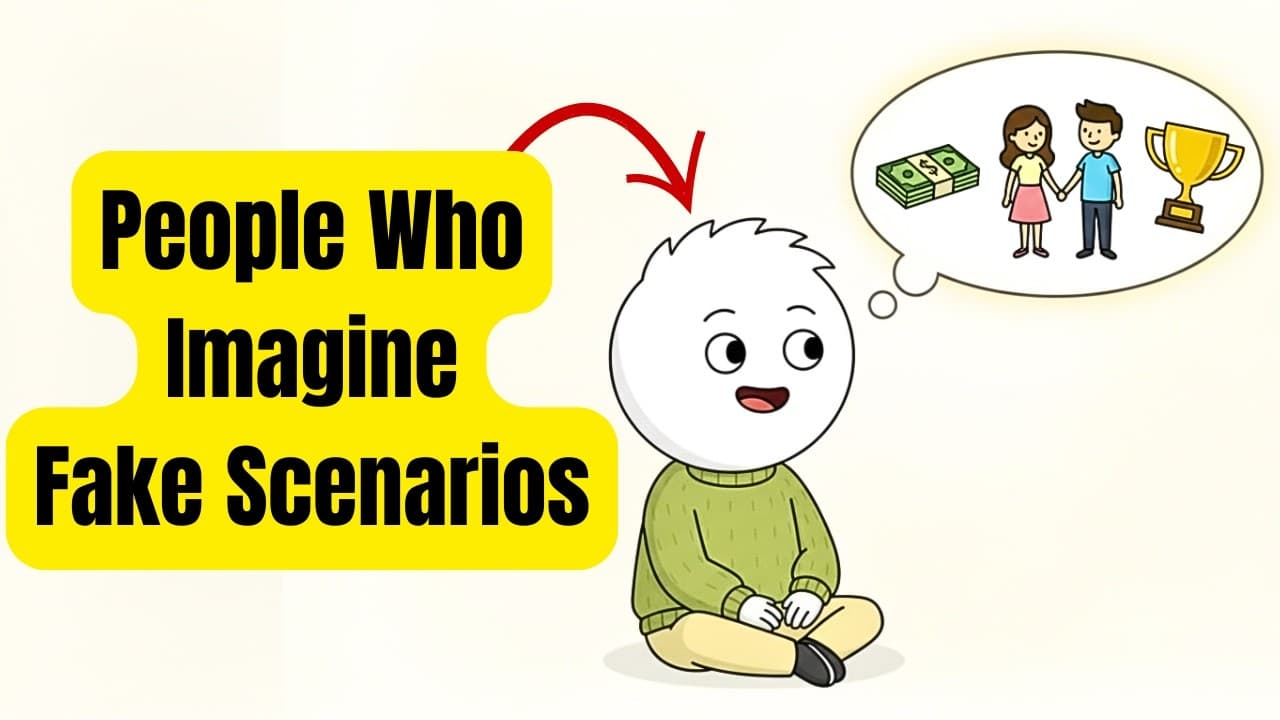
Maladaptive daydreaming arises when internal simulations become more rewarding than external reality, shifting the brain toward internal narratives. The condition is linked to the default mode network and absorption, with many using rich inner worlds to cope when real-life needs feel unmet. The path forward is balancing imagination with real-world engagement.
Transcript
You're in the shower and somewhere between washing your hair and standing there motionless for 11 minutes, you've rehearsed an argument with someone who doesn't even know they've upset you yet. Or maybe you're driving to work and somewhere on the motorway, you've just delivered the most articulate, devastating response to something your manager sai... Read More
Key Insights
- The default mode network activates when attention shifts away from the external world, generating memories, fears, fantasies, and rehearsed conversations.
- Maladaptive daydreaming is a learned pattern where internal simulation becomes more rewarding than real life, leading the real world to feel thinner and less substantive.
- Higher absorption, a personality trait linked to deep focus, increases vulnerability to immersive daydreaming and intense emotional experiences.
- The fantasy world provides control, emotional resolution, or a sense of connection that may be missing in real relationships.
- Shame can fuel the cycle, creating a feedback loop where fantasy deepens as real life demands increase and become intimidating.
- Most people who develop this pattern did not have safe places or felt chronically lonely, making an internal escape a plausible coping strategy.
- The goal is not to eliminate imagination but to understand its function and gradually integrate healthy elements of real-life engagement.
- Individuals can have rich internal worlds without being defective; the key is assessing whether the inner life still serves or harms current functioning.
- More videos from this channel:
- More from this channel: Psychology Simplified
Install to Summarize YouTube Videos and Get Transcripts
Explore YouTube Video Summarizer or Get YouTube Transcript Extractor
Questions & Answers
Q: What is maladaptive daydreaming and how does it differ from normal daydreaming
Maladaptive daydreaming is a condition where the brain prefers internal simulation over external reality, repeatedly engaging in detailed, long-lasting fantasies that feel compelling and immersive. Unlike ordinary daydreaming, which is occasional and brief, this pattern can take up significant portions of waking life, disrupt daily functioning, and persist as a preferred state rather than a fleeting mental activity.
Q: What brain mechanism is involved in these imagined scenarios
The brain’s default mode network activates when attention turns inward, generating memories, fears, fantasies, and rehearsed conversations. In maladaptive daydreaming, this network may become the dominant mode of processing, creating vivid, self-contained imagined worlds that feel rewarding enough to replace ongoing engagement with the external environment.
Q: Who is most at risk for developing maladaptive daydreaming
Risk is linked to higher absorption, a trait tied to deep immersive focus, and a tendency to become deeply engaged with music or emotionally intense experiences. People who experience loneliness, sensitivity to their surroundings, or environments that feel unsafe may be more likely to rely on internal worlds for emotional sustenance.
Q: What function does the daydreaming serve for individuals
The imagined scenarios offer a sense of control, emotional resolution, and safe connection that real relationships may not provide. They allow people to rewind conversations or craft outcomes that feel impossible in real life, offering a coping mechanism when external realities fail to meet emotional needs.
Q: How does the shift toward internal simulation affect real life
As internal simulation strengthens, real-world interactions can feel thin and less meaningful, making intimacy, uncertainty, and spontaneous conversation appear daunting. This creates a cycle where the mind retreats further into daydreams to avoid the discomfort of real relationships and unpredictable social dynamics.
Q: What role does shame play in this pattern
Shame emerges as time in daydreams continues and individuals realize real life progresses without them. This awareness can deepen the habit, creating a negative feedback loop where the inner world seems safer and more satisfying than the demanding, imperfect nature of real life.
Q: What approach helps people manage maladaptive daydreaming
Management focuses on understanding what the disappearing into inner worlds provides and gradually translating some of those needs into real life. This includes exploring what the imagined connection or resolution offers and finding safe, practical ways to fulfill similar needs through real relationships and achievable goals.
Q: Can creativity be completely separated from maladaptive daydreaming
The phenomenon is not simply a measure of creativity or intelligence; it reflects a coping mechanism that can coexist with high imaginative capacity. The key distinction is whether the inner world still serves current needs or hinders functioning, and whether there is a path to integrating imaginative depth into reality without losing balance.
Summary & Key Takeaways
-
A person’s default mode network can eclipse external focus, turning daydreams into a preferred mode of existence that competes with real life.
-
Maladaptive daydreaming often emerges as a coping mechanism for unmet needs, loneliness, or unsafe environments, not as a simple lack of will or imagination.
-
The approach to treatment emphasizes understanding the internal world while gradually rebuilding real world connections and opportunities for emotional fulfillment.
Read in Other Languages (beta)
Share This Summary 📚
Summarize YouTube Videos and Get Video Transcripts with 1-Click
Try YouTube Summary with ChatGPT & Claude or YouTube Transcript Generator
Explore More Summaries from Psychology Simplified 📚




Summarize YouTube Videos and Get Video Transcripts with 1-Click
Try YouTube Summary with ChatGPT & Claude or YouTube Transcript Generator