What is the shadow and how can it fuel success
TL;DR
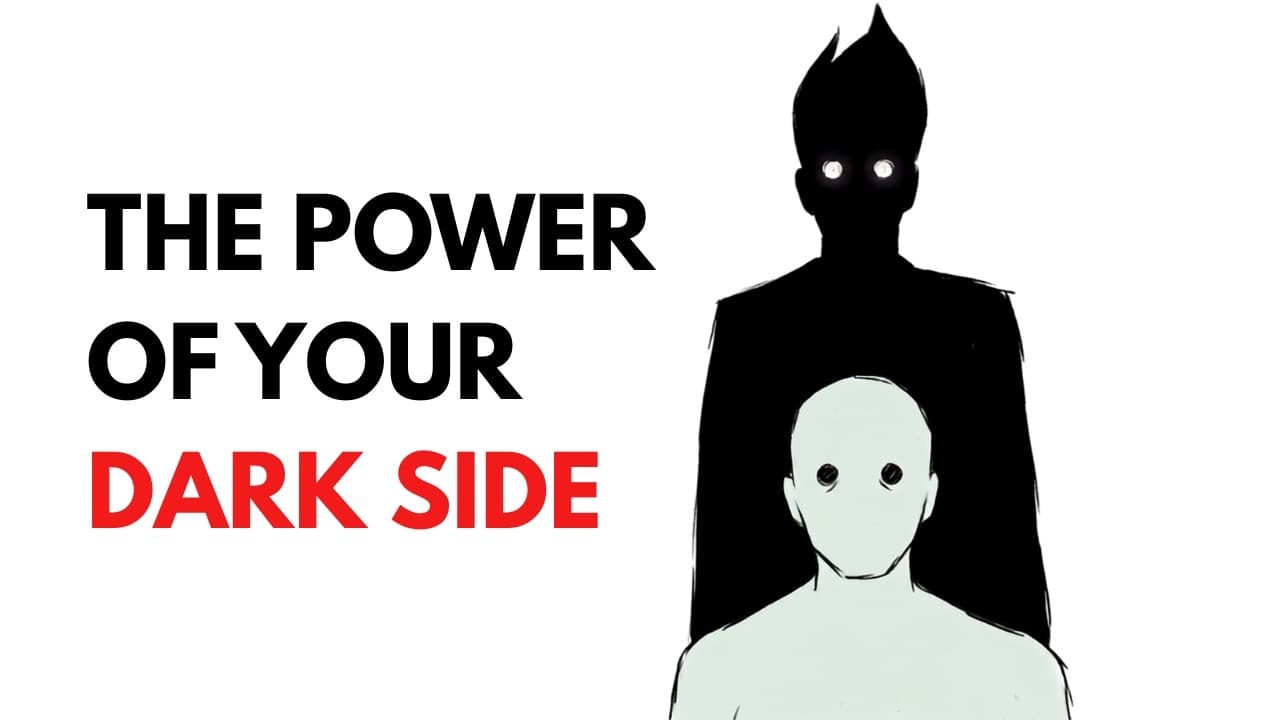
The shadow is the collection of traits you were taught to deem unacceptable, not evil but unallowed. It forms through reward and social feedback, shaping what you show to the world and what you bury. The path to growth is to integrate these buried traits rather than suppress them, using them with intention.
Transcript
Everything you ever wanted to delete about yourself is still in there. Think about the last time you were furious and said absolutely nothing. The last time you wanted something badly and told everyone it wasn't a big deal. The last time someone crossed a line and you smiled and said, "It's fine." Where do you think all of that went? It didn't evap... Read More
Key Insights
- The shadow consists of traits you learned to hide not evil impulses, and it is shaped by what you were rewarded for in childhood and adulthood.
- Maladaptive overcontrol is a key risk where excessive self control erodes life quality, leading to rigidity and isolation.
- The four buried traits commonly found are power to be displeased, power to come first, the wish to be above, and the right to disappoint.
- Displeasure is often mislabeled as aggression, and learning to express it outwardly reclaims personal boundaries and reduces self harm.
- Envy is a compass that points to desired goals; acknowledging envy helps reveal what you truly want but have not allowed yourself to pursue.
- Suppressing thoughts or traits leads to rebound effects; the goal is to acknowledge and train the buried trait, not erase it.
- The middle of the curve in assertiveness is the ideal range for leadership and relationship health according to the discussed research.
- Integrating the shadow improves decision making and authenticity by aligning actions with a fuller self rather than an edited version of it.
Install to Summarize YouTube Videos and Get Transcripts
Explore YouTube Video Summarizer or Get YouTube Transcript Extractor
Questions & Answers
Q: What is the shadow in Jungian psychology and why does it matter for personal growth
The shadow in Jungian psychology is the collection of traits you were taught to regard as unacceptable and it is not the same as evil. It forms because reward systems reward certain behaviors while punishing others, causing parts of your personality to be trained or neglected. Recognizing the shadow matters because these buried traits, when integrated with intention, can fill gaps in ambition and provide fuel for growth rather than simply suppressing yourself.
Q: How does reward influence the formation of the shadow according to the video
Reward influences the shadow by shaping which traits get attention and practice, and which ones are shelved. The video explains that classrooms, dinners, jobs, and social groups reward certain behaviors like calmness, availability, or humor, while other traits such as assertiveness or displeasure are punished or ignored. Over time, this selective reinforcement trains a usable personality while leaving behind untrained traits that still exist and can leak out later.
Q: What are the four buried traits described, and why are they significant
The four buried traits are: the right to be displeased, the right to come first, the wish to be above, and the right to disappoint. They are significant because each represents a core area where a person with overcontrol constraints themselves, leading to recurring inner tension and pressure. Recognizing these areas helps reveal which parts of yourself you have forbidden and why you feel constrained.
Q: What is maladaptive overcontrol and what are its effects
Maladaptive overcontrol is a coping style characterized by excessive self containment, cognitive rigidity, and inhibited emotional expression. Its effects include distant relationships, social isolation, and difficulty adapting to changing situations. The video cites research showing this pattern can persist despite effort, and it highlights that overcontrol can actually erode life outcomes rather than protect you.
Q: How should irritation be used as a map to buried traits
Irritation should be used as a map by bringing to mind people who trigger you strongly, not those who hurt you, and then examining what their behavior reveals about your own forbidden impulses. The idea is that a disproportionate reaction signals a buried trait in yourself that you have not acknowledged. Mapping this irritation helps identify what you have denied and where personal growth is needed.
Q: What does it mean to aim for the middle of the curve in assertiveness
Aiming for the middle of the curve means balancing assertiveness so that you are neither too passive nor overly aggressive. Research cited shows that being seen as overly assertive damages relationships, but low assertiveness also harms leadership perception. The idea is to find a sustainable level where you communicate needs clearly without triggering counterproductive responses from others.
Q: Why is suppression of thoughts or traits harmful and what is the rebound effect
Suppression is harmful because it is a temporary loan that prevents addressing buried traits, and the rebound effect shows that once you stop suppressing, the thoughts or traits return stronger. The video explains that suppression can lead to later outbreaks of those traits when they finally surface, making situations worse than if you had acknowledged them earlier.
Q: What are the practical steps to reintegrate the shadow without losing yourself
Practical steps include recognizing the shadow by listing what irritates you, accepting that envy can be a compass, learning to express displeasure outwardly, and rebalancing self control by training buried traits instead of erasing them. The process also involves using three principles: map irritation, aim for the middle of assertiveness, and avoid perpetual avoidance of uncomfortable conversations while staying authentic.
Q: How does the concept of the shadow relate to everyday life and big life goals
The shadow relates to everyday life by explaining why people often hesitate to ask for raises, end relationships, or set clear boundaries. By acknowledging the buried traits, you can align your daily actions with larger ambitions without sacrificing authenticity. Integrating the shadow allows for more honest communication, better boundary setting, and more consistent progress toward meaningful goals.
Q: What role do envy and desire play in understanding your self image
Envy serves as a compass pointing to exact things you want but feel you cannot express openly. Recognizing envy helps you identify goals you may have restricted or muted due to fear of judgment. This awareness is crucial because it reveals misalignments between your stated self image and your true motivations, guiding healthier, more ambitious choices.
Summary & Key Takeaways
-
The video explains Jung's concept of the shadow as the unallowed parts of the self shaped by social reward and punishment. It emphasizes that the shadow is not evil but a necessary piece of identity that can fuel ambition if integrated. The four buried traits are disclosed gradually and linked to everyday life.
-
It discusses maladaptive overcontrol, a pattern of excessive self restraint that can hinder goals. The video cites Thomas Lynch and studies showing that overcontrol can lead to cognitive rigidity and social isolation. The solution is to train and reallocate attention to buried traits rather than erase them.
-
A practical framework is offered: observe irritation as a map, aim for the middle of the curve in assertiveness, and learn to say no without guilt. The guidance reframes self discipline as a balanced practice that uses shadow traits to advance rather than suppress them.
Read in Other Languages (beta)
Share This Summary 📚
Summarize YouTube Videos and Get Video Transcripts with 1-Click
Try YouTube Summary with ChatGPT & Claude or YouTube Transcript Generator
Explore More Summaries from PsychToons 📚


Summarize YouTube Videos and Get Video Transcripts with 1-Click
Try YouTube Summary with ChatGPT & Claude or YouTube Transcript Generator