How Did the Tuskegee Airmen Prove Racism Wrong?
TL;DR
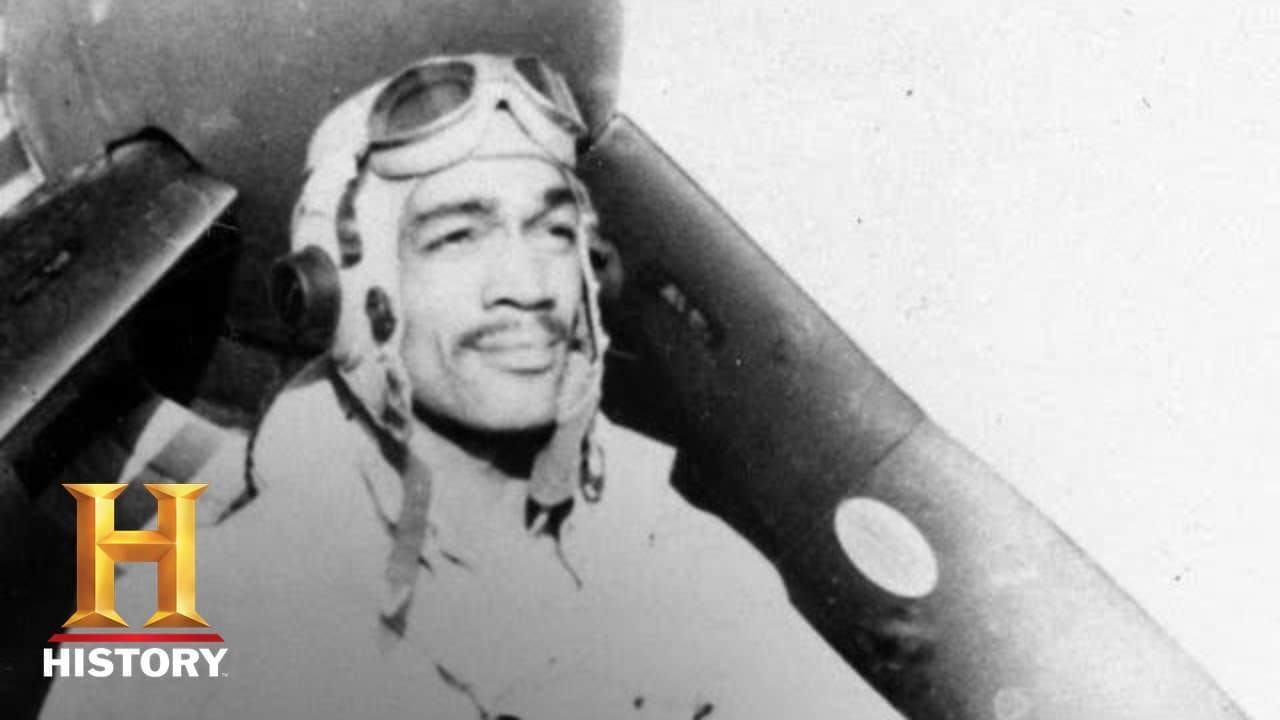
The Tuskegee Airmen were Black pilots trusted with combat roles despite previous beliefs they could not handle complex tasks. They formed the 332nd Fighter Group, escorted bombers with a reputation for effectiveness, and earned numerous decorations. Their success helped end segregation in the military and demonstrated capability when given opportunity.
Transcript
NARRATOR: Deemed by the War Department as inferior to whites and unable to handle the intricacies of modern weaponry, black soldiers were relegated to support roles. Flying fighter planes was out of the question. It was thought, over the objective of Hap Arnold, who was in charge of the Air Corps at that time, that blacks didn't have the ability to... Read More
Key Insights
- The Air Corps initially believed Black pilots could not handle fighter planes, but this view was challenged by real-world performance.
- Roosevelt opened civilian pilot training and funds were allocated to create training at Tuskegee, marking a pivotal shift toward inclusion.
- The 99th Fighter Squadron and later the 332nd Fighter Group proved Black pilots could excel in combat escort missions.
- The Tuskegee Airmen earned a reputation for disciplined escort work that protected bombers during missions.
- They achieved recognition through medals and decorations, illustrating their impact and skill in WWII operations.
- The airmen faced segregation upon returning home, highlighting the contrast between wartime achievement and peacetime discrimination.
- The success of the Tuskegee Airmen helped fuel the eventual integration of the U.S. Armed Forces in 1948.
- The narrative underlines that success came from opportunity, training standards, and a shared sense of purpose despite bias.
- More videos from this channel:
- More from this channel: HISTORY
Install to Summarize YouTube Videos and Get Transcripts
Explore YouTube Video Summarizer or Get YouTube Transcript Extractor
Questions & Answers
Q: How did the Tuskegee Airmen first gain access to pilot training and why was it controversial?
The War Department opened the Civilian Pilot Training Program to Black students under pressure from Black media and civil rights groups, signaling a shift in policy. In December 1940, funds were allocated to establish a base at the Tuskegee Institute to train Black airmen, a move viewed as an experiment. This step challenged prevailing beliefs about Black capability and leadership, and it set the stage for wartime service.
Q: What unit formed the core of the Tuskegee Airmen during WWII and what was their role?
The first full squadron, the 99th Fighter Squadron, deployed in 1943 and then joined three other all-black fighter squadrons to form the 332nd Fighter Group. Their primary duty was to escort bombers in the Mediterranean Theater, a mission that required precision and discipline to protect Allied aircraft and help ensure strategic bombing runs.
Q: What evidence from the transcript shows the airmen’s success in combat?
The 332nd Fighter Group escorted bombers through the summer of 1944 and earned a strong reputation for their mission success. They flew numerous missions protecting bombers as they struck targets in Northern Italy and Romania, and by the end of the war they downed 108 enemy aircraft and earned hundreds of medals and decorations, illustrating clear combat effectiveness.
Q: How did the public and media view the Tuskegee Airmen during and after the war?
Media outlets like The Stars and Stripes highlighted the 332nd Fighter Group as an exemplary unit that protected bombers successfully, which helped counter negative stereotypes about Black soldiers. Despite this, many Americans faced segregation at home, evidenced by signs on entry points and continuing racial disparities even after their proven performance in wartime.
Q: What broader impact did the Tuskegee Airmen have on American society and the military?
Their war record dispelled myths and biases in Army policy about Black capability, contributing to the integration of the Armed Forces in 1948. The airmen’s achievements demonstrated that race did not determine character or competence, encouraging broader social and institutional changes beyond the battlefield.
Q: How is the concept of character versus birth explained in the narrative?
The speakers emphasize that achievement comes from opportunity and demonstrated capacity rather than birth or skin color. They argue that the airmen’s success proves the content of character matters more than any inherent trait, aligning with broader civil rights ideals that opportunity should be available to all.
Q: What does the transcript say about personal motivation and pride among the airmen?
The airmen bonded over a shared purpose and racial pride, which sustained them through training and combat challenges. Their personal commitment and teamwork helped them meet training standards and perform at a high level, proving that determination and support networks can overcome institutional bias and lead to historic changes.
Q: What are the key numbers tied to the Tuskegee Airmen’s wartime accomplishments?
Key figures include the 99th Fighter Squadron and the 332nd Fighter Group, which escorted bombers; 108 enemy aircraft downed; 744 air medals; 150 Distinguished Flying Crosses; 14 Bronze Stars; and one Silver Star. These numbers collectively illustrate the airmen’s significant combat impact and the breadth of recognition they received for their service.
Summary & Key Takeaways
-
The Tuskegee Airmen faced a hostile start with claims that Black soldiers could not handle modern warfare. They earned their training and proved themselves through multiple missions as the 99th Fighter Squadron and later the 332nd Fighter Group, gaining widespread recognition for their bomber escort duties.
-
Their combat record grew with strong performance in the Mediterranean Theater, including downing enemy aircraft and earning many medals, as well as breaking racial barriers by contributing to the desegregation of the armed forces in 1948.
-
Ultimately the film highlights how their success challenged the myth of racial inferiority and pushed broader change in American society and the military.
Read in Other Languages (beta)
Share This Summary 📚
Summarize YouTube Videos and Get Video Transcripts with 1-Click
Try YouTube Summary with ChatGPT & Claude or YouTube Transcript Generator
Explore More Summaries from HISTORY 📚


Summarize YouTube Videos and Get Video Transcripts with 1-Click
Try YouTube Summary with ChatGPT & Claude or YouTube Transcript Generator