How did the Transcontinental Railroad connect the coasts?
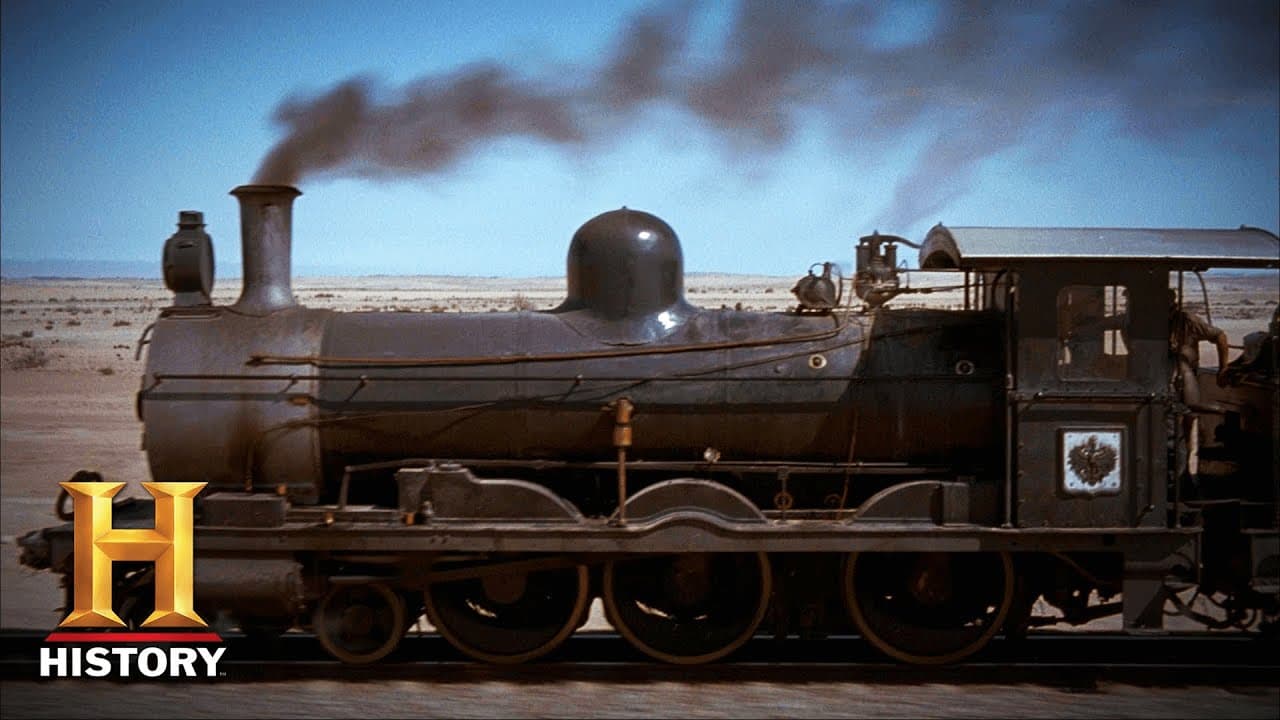
TL;DR
The Transcontinental Railroad unified the nation by linking the Atlantic and Pacific coasts, enabling faster, safer travel and opening vast western expansion. Competition between the Central Pacific and Union Pacific spurred rapid construction under government incentives, culminating in a symbolic golden spike and transformative economic growth.
Transcript
in the 1860s america is divided by civil war and 2 000 miles of untamed land west of the mississippi at this time it was way easier to travel to europe from the east coast of the us than to get to california but one man has an audacious dream to connect the country america needs a transcontinental railroad it's a daunting engineering challenge this... Read More
Key Insights
- The project linked two distant coasts by building 2,000 miles of track across diverse terrain.
- The Pacific Railway Act created competition between two companies to maximize mileage and speed.
- Railroad construction transformed travel, cutting journey times from months to about a week.
- Financial incentives and land grants accelerated progress and spurred mining and settlement.
- The two rival companies often pursued distance over proximity, extending track to outpace the other.
- Completion marked by a symbolic golden spike and national celebration.
- The railroad enabled rapid movement of people and goods, fueling industrial growth.
- Long-term consequences included extensive land grants and a lasting freight network.
- More videos from this channel:
- More from this channel: HISTORY
Install to Summarize YouTube Videos and Get Transcripts
Explore YouTube Video Summarizer or Get YouTube Transcript Extractor
Questions & Answers
Q: How did the government encourage building the transcontinental railroad?
The government passed the Pacific Railroad Act authorizing the project, creating competition by funding two companies to build from opposite ends. Each mile laid earned mining rights and cash, incentivizing rapid track construction. This framework transformed a distant ambition into a funded, race driven effort that mobilized capital and resources.
Q: What were the two companies involved and why were they called the big four?
The Central Pacific and the Union Pacific built the line from opposite ends. They were backed by prominent businessmen who later became founders of Stanford University and other institutions. These financiers, known as the big four, drove the project with aggressive timelines and a strong belief in connecting the country.
Q: What challenges did workers face during construction?
Construction crews faced extreme geography, including mountains and desert terrain, which demanded extensive labor and time. The text notes miles of track and hard labor with numerous days of work spreading over years. Workers endured harsh weather, rugged landscapes, and the logistical complexities of coordinating two massive, overlapping builds.
Q: How did the railroad impact travel time and cost?
Before completion, travel from New York to San Francisco could take six months and cost hundreds of dollars, whereas after completion the journey shortened to roughly a week and cost a couple of hundred dollars. The railroad opened new routes and price points for different travelers across class lines.
Q: What role did the golden spike play in the story?
The gold ensign spike symbolized the completion and unification of the nation’s rail network. It marked a turning point in American infrastructure, representing not only a technical achievement but also a political and economic milestone that showcased coordinated federal and private sector effort.
Q: How did the railroad affect settlement and economic growth?
The railroad enabled large scale movement of people, goods, and capital into the western territories, spurring settlement and industrial growth. It unlocked access to markets, facilitated mining interests, and integrated distant regions into a national economy, accelerating industrialization and transforming the country’s economic landscape.
Q: What long term effects did land grants have on the country?
Land grants awarded to the railroad companies created vast tracts of public land that could be developed and settled. Over time these incentives contributed to nation building, expanding agricultural and urban development, and shaping land use policies that influenced economic growth and territorial expansion for decades.
Q: Why is the Transcontinental Railroad considered a pivotal engineering feat?
It represented an unprecedented scale of coordination, innovation, and risk across 2,000 miles of rail. The project demanded solving logistical, financial, and technical challenges never before attempted, establishing a blueprint for large scale infrastructure projects and cementing the railroad as a cornerstone of modern American engineering.
Summary & Key Takeaways
-
The railroad's creation required bridging two distant coasts, overcoming miles of difficult terrain, and coordinating two competing companies under a pivotal government act. The project reshaped travel, migration, and commerce, accelerating industrialization across the United States.
-
Completion reduced travel time from months to about a week, changing access to markets and opportunities for diverse populations. It also triggered enormous land grants and long-term economic development that defined the nation’s expansion into the west.
-
By uniting the country, the railroad catalyzed a new era of freight movement and infrastructure, making the United States more connected and economically integrated. The legacy includes ongoing rail networks that underpin modern freight and passenger systems.
Read in Other Languages (beta)
Share This Summary 📚
Summarize YouTube Videos and Get Video Transcripts with 1-Click
Try YouTube Summary with ChatGPT & Claude or YouTube Transcript Generator
Explore More Summaries from HISTORY 📚






Summarize YouTube Videos and Get Video Transcripts with 1-Click
Try YouTube Summary with ChatGPT & Claude or YouTube Transcript Generator