How to forge Genghis Khan sword like Forged in Fire
TL;DR
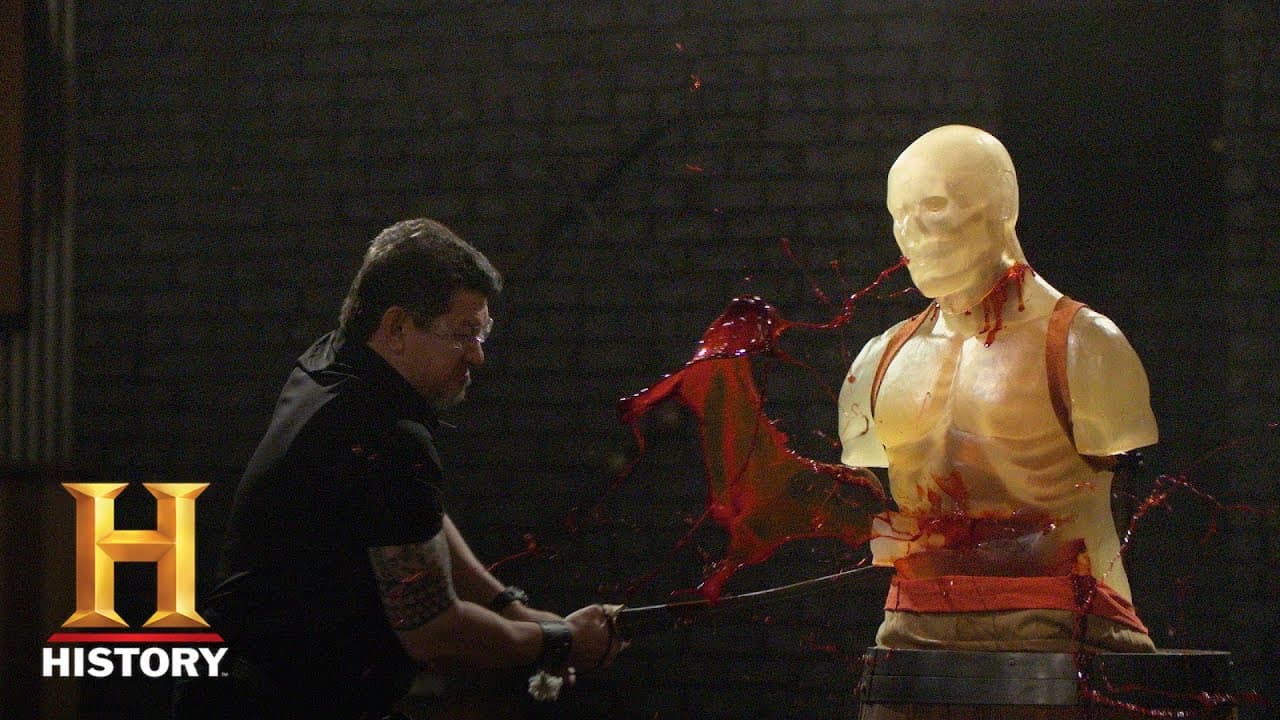
The video shows two bladesmiths rushing to recreate Genghis Khan's sword with emphasis on preserving balance, edge sharpness, and robust construction. It covers material choices, heat treatment, and iterative fixes after a press mishap, ending with a champion declared after strength and kill tests.
Transcript
Peter, Everett, congratulations, you fellas have made it into the third round of this competition. Now, when you came here, we had you make signature blades in your signature style. That's not going to happen at your home forges. Instead, you'll be making one of these-- Genghis Khan's sword. Sweet. Good luck. We'll see you in four days. Bring your ... Read More
Key Insights
- Genghis Khan sword design is pursued with a focus on function and durability, avoiding weak points of Damascus in favor of solid mono steel for a longer blade.
- The plan evolves from initial design considerations to practical assembly challenges, including butt cap and tang integration and the need for precise handle alignment.
- Heat treatment and edge geometry are central to performance, with tests showing the blade must both cut well and survive armor testing without significant edge failure.
- A catastrophic tool failure, like a broken handle, forces the smith to rework and reepoxy components to maintain structural integrity and balance.
- Judges value balance and comfort in the weapon, demonstrating that execution and ergonomics can outweigh mere length or ornate aesthetics.
- Sharpening strategy is treated as a calculated risk, balancing cutting ability with potential durability concerns under stress tests.
- The final evaluation combines practical test outcomes with craftsmanship quality, determining the champion based on overall weapon performance and reliability.
- The competition sequence includes edge testing, armor testing, and banner cutting as a comprehensive assessment of blade performance.
- More videos from this channel:
- More from this channel: HISTORY
Install to Summarize YouTube Videos and Get Transcripts
Explore YouTube Video Summarizer or Get YouTube Transcript Extractor
Questions & Answers
Q: A real search query question about the video (e.g. 'How to...', 'What is...', 'Why does...', 'When should...'). Question 1
How is a historically inspired sword like Genghis Khan's forged for a reality competition, and what design choices influence its balance, durability, and effectiveness in tests? The blade must be strong enough to resist warping and maintain an edge during cut tests, while the guard, tang, and handle work together to provide comfortable control. The process includes material selection, heat treatment, and iterative problem solving, culminating in performance assessments that determine the winner.
Q: What is the main challenge in shaping a curved tang for a historical sword
The main challenge in shaping a curved tang for a historical sword is achieving precise alignment with the handle and guard while accommodating a curved profile. The tang must fit securely, allow for epoxy and pins, and maintain balance so the blade remains controllable under both cutting and impact tests. Any misalignment can lead to a weak point or uncomfortable handling, affecting performance in strong tests.
Q: Why would a bladesmith choose mono steel over Damascus for this project
Mono steel is chosen over Damascus in this project to reduce potential weak points and delams that can arise from complex layered structures. A solid monolithic blade offers predictable performance under heat treatment, less risk of edge curling or cracking, and easier maintenance. This choice prioritizes reliability and straightness during the long forging and heat treatment process.
Q: How do judges evaluate edge performance in this Forged in Fire episode
Judges evaluate edge performance by observing sharpness, control, and how well the edge resists chipping under stress tests. They monitor how the edge bites into targets, whether chips form along the edge, and the overall ability to cut cleanly across banners. A robust edge that remains functional after impact demonstrates effective tempering and geometry.
Q: What role does heat treatment play in the final blade quality
Heat treatment plays a central role in blade quality by setting the blade’s hardness, ductility, and resilience. Proper quenching and tempering produce a blade that holds an edge yet tolerates impact from armor and testing targets. Inconsistent heat treatment can lead to bends, cracks, or edge failure, compromising both performance and safety.
Q: What happens when a tool failure occurs during the build
When a tool failure occurs, such as a broken handle during pressing, the smith must reassess and rework the assembly. This includes cleaning, re-epoxying joints, re-pinning, and possibly redesigning elements like the butt cap. The ability to adapt quickly preserves progress and ensures the weapon remains balanced and functional.
Q: How important is the final balance and comfort of the weapon in this show
Final balance and comfort are crucial as they influence handling, precision, and effectiveness in real use scenarios. A well-balanced blade minimizes user fatigue, allows for precise control during sharpening, testing, and maneuvering, and contributes to the overall perception of quality. Comfort directly affects performance in timed and stressful competition settings.
Q: What is the ultimate verdict in the episode and why
The ultimate verdict assigns the title of Forged in Fire champion to the blade that demonstrates a combination of balance, strength, and cutting ability, with a blade that can withstand the strength tests and deliver effective cuts. In this episode, the winner is declared based on the blade’s performance across multiple rigorous tests, including armor strikes, banners, and final kill tests, along with craftsmanship quality.
Summary & Key Takeaways
-
A bladesmith competition culminates in forging a historically inspired sword with careful attention to tang, fuller, and guard design, followed by a rigorous kill test.
-
The contestants navigate setbacks such as handle failure and butt cap misalignment, then adjust epoxy and pins to salvage the project before final tests.
-
The judging panel penalizes edge damage from strength testing, but ultimately recognizes balance, comfort, and cutting capability as core strengths of the winning blade.
Read in Other Languages (beta)
Share This Summary 📚
Summarize YouTube Videos and Get Video Transcripts with 1-Click
Try YouTube Summary with ChatGPT & Claude or YouTube Transcript Generator
Explore More Summaries from HISTORY 📚






Summarize YouTube Videos and Get Video Transcripts with 1-Click
Try YouTube Summary with ChatGPT & Claude or YouTube Transcript Generator