What Do Dead Sea Scrolls reveal about the Bible
TL;DR
The Dead Sea Scrolls provide ancient biblical texts that are older than prior copies, showing that contradictions and language differences exist within the Bible. Scholars debate authorship and the formation of the New Testament, highlighting translation challenges and the influence of political power on biblical texts.
Transcript
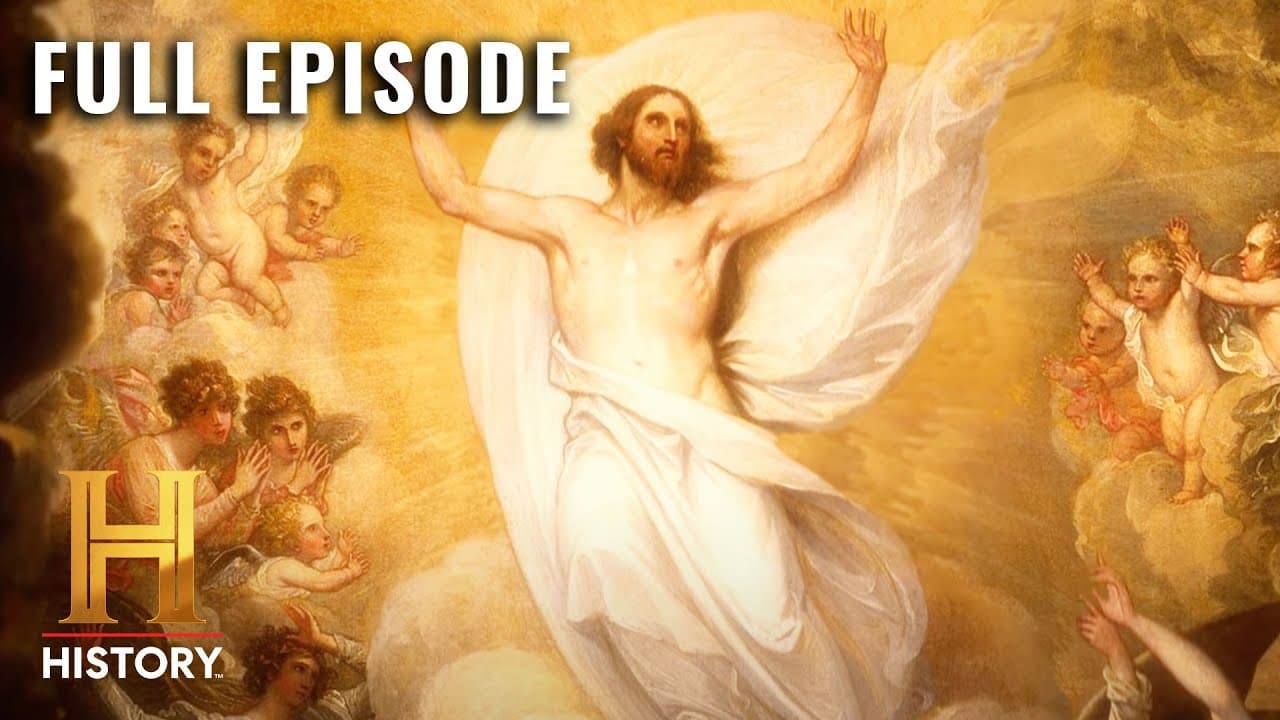
[music playing] It is considered by millions to be the actual word of God, the holy testament, the sacred Scripture, the Bible. For centuries, men and women have argued its meanings, its lessons, and its historical accuracy. But has the Bible been translated, edited, and even censored so many times that its original stories have been compromised by... Read More
Key Insights
- The Dead Sea Scrolls are the oldest biblical texts discovered, dating back to a time close to Jesus, and they include Hebrew, Aramaic, and Greek fragments.
- The Bible contains contradictions and discrepancies between books, which scholars argue about when interpreting sacred history versus verifiable history.
- Many biblical books are anonymous or written after the events they describe, leading to questions about authorship and authority in the Bible.
- Gospels were written decades after Jesus, not as firsthand accounts, which raises questions about who authored them and why.
- The term pseudepigrapha describes works written under false author names to grant authority, suggesting authors used established figures to legitimize their writings.
- Translation plays a crucial role, as language shifts and translational choices can alter meaning and interpretation of key passages.
- Early Christianity spread under Roman influence, and Constantine's era is linked to the political melding of faith and state control over biblical texts.
- The New Testament was compiled over time, with Christian communities shaping which writings were considered authoritative and why.
- More videos from this channel:
- More from this channel: HISTORY
Install to Summarize YouTube Videos and Get Transcripts
Explore YouTube Video Summarizer or Get YouTube Transcript Extractor
Questions & Answers
Q: How old are the Dead Sea Scrolls compared to previous biblical texts?
The Dead Sea Scrolls are described as the oldest biblical texts, written by Jews living around the same time as Jesus and roughly 1,000 years older than the previously oldest texts we had. This age gap provides a long view of how texts evolved and how later copies might differ from very early manuscripts.
Q: Why do scholars question the authorship of the first five books of the Bible?
Scholars question the authorship because the Bible is described as basically anonymous for the most part, with no eyewitnesses to the creation accounts, leading to the view that the books were written after the events they describe and possibly by multiple authors with different agendas.
Q: What issue do we see with the Gospel accounts in the New Testament?
The four gospels are believed to be written by four different authors decades after Jesus, and none of the authors is thought to have met Jesus, which challenges the notion of firsthand accounts and introduces questions about reliability and authorship.
Q: What does the term pseudepigrapha mean in this context?
Pseudepigrapha is described as writings inscribed with a lie about the author’s identity, used to lend authority to texts by attributing them to respected figures, influencing how audiences perceive the writings and their legitimacy.
Q: How did language influence the spread of early Christian writings?
Greek was the Lingua Franca of the Roman Empire and the most common language among the Roman elite, so early Christian writings were produced in Greek to reach wealthier, Roman audiences and broaden the reach of the message.
Q: What role did Constantine play in shaping the Bible’s reception?
Constantine ended Christian persecution and declared Christianity official, which led to a fusion of religious belief with political authority and impacted how the Bible was compiled and distributed, shaping which books were accepted as authoritative.
Q: Why might some biblical elements be misleading about traditional Nativity narratives?
Early nativity stories in Matthew and Luke include traditions not originally present in the core texts, such as details about wise men and the setting, which modern scholars view as later Christian traditions that grew beyond the original accounts.
Q: What is the central tension discussed about the Bible’s content?
The central tension is whether the Bible is the inspired word of God or a collection of stories authored by anonymous individuals with agendas, resulting in translation issues, edits, and possible alterations across centuries.
Summary & Key Takeaways
-
The video explores how the Dead Sea Scrolls are the oldest biblical texts found and how they are written in Hebrew, Aramaic, and Greek, revealing age and language differences.
-
It explains that contradictions and revisions appear across Old Testament books, leading scholars to question the idea of a single, unified historical account.
-
The episode discusses how gospels were written decades after Jesus and how editors or authors may have shaped the text for agendas and authority.
Read in Other Languages (beta)
Share This Summary 📚
Summarize YouTube Videos and Get Video Transcripts with 1-Click
Try YouTube Summary with ChatGPT & Claude or YouTube Transcript Generator
Explore More Summaries from HISTORY 📚


Summarize YouTube Videos and Get Video Transcripts with 1-Click
Try YouTube Summary with ChatGPT & Claude or YouTube Transcript Generator