How to Make ChatGPT Writing Sound More Human
TL;DR
Give ChatGPT explicit style rules that favor clear language, active voice, concise phrasing, and context-appropriate formatting. Add restrictions for habits you dislike, such as excessive adjectives, clichés, hashtags, markdown, and em dashes, then save a trimmed version in ChatGPT preferences so the guidance applies automatically.
Transcript
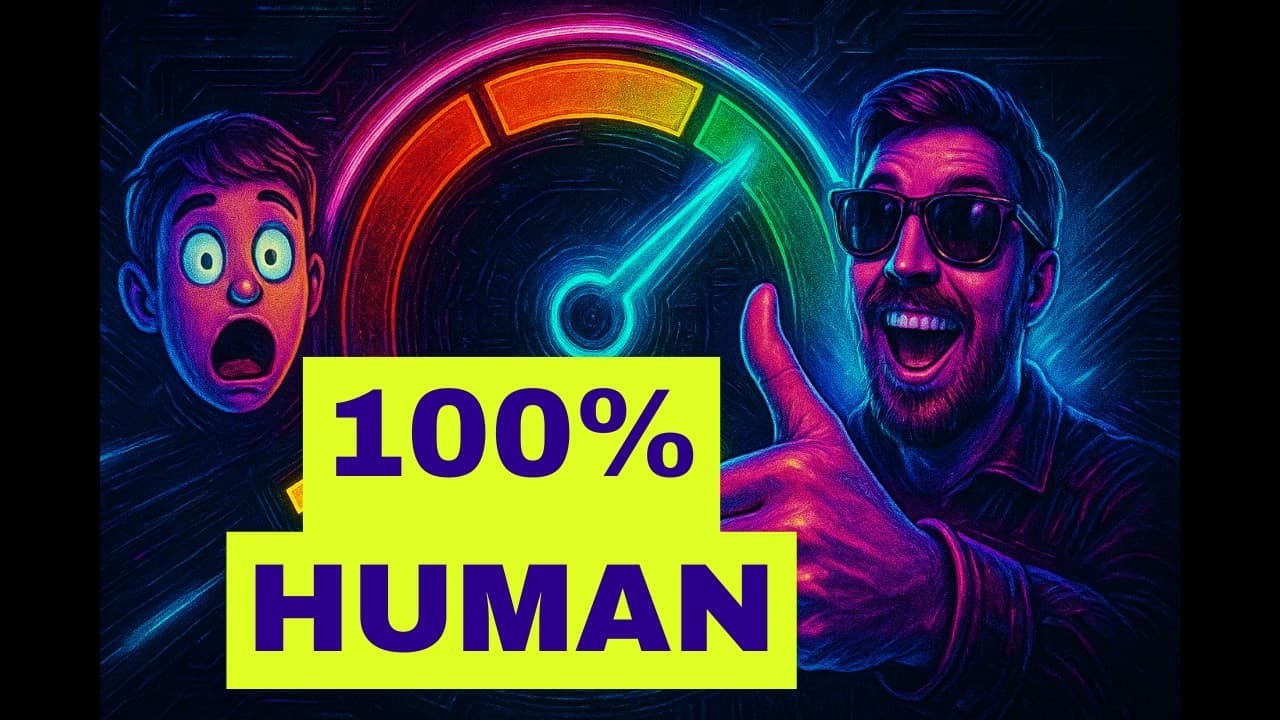
the best AI prompt to humanize AI essays and text. Don't copy paste from chat GPT without humanizing it first. Otherwise, you'll sound like AI slop and you'll turn people off from understanding the ideas that you are trying to communicate. So, I'm going to show you a prompt how to humanize your text completely for free and I'm going to show you how... Read More
Key Insights
- Default ChatGPT output can reveal recognizable patterns, including dramatic announcements, excessive emojis, repeated em dashes, hashtags, markdown symbols, clichés, and wordy setup language. These habits may distract readers from the ideas the writer is trying to communicate.
- A humanizing prompt works by defining concrete writing constraints. The demonstrated instructions call for clear and simple language, active voice, fewer unnecessary adjectives, and the removal of unwanted devices such as clichés, generalizations, semicolons, markdown, asterisks, and em dashes.
- Social media writing benefits from rules tailored to quick scanning. Short, impactful sentences and bullet-point lists can make a LinkedIn post easier to read, while removing awkward hashtags, cheesy calls to action, and overly dramatic phrasing can make the post feel more direct.
- Essay prompts require different style settings from marketing copy. The creator removes instructions for staccato sentences, assertive copywriting, and bullet-point lists when generating an essay, producing prose that is less wordy and more focused on expressing ideas clearly.
- Examples of good writing can strengthen the instructions. Users can add a sample that represents effective writing for their particular situation, giving ChatGPT a more specific reference for tone, structure, vocabulary, and the level of detail expected.
- Saved preferences can apply writing guidance automatically. After trimming the instructions until they fit, the user can save them as a preferred writing style and open a new chat to check whether the first draft already follows those preferences.
- Style restrictions should be customized rather than treated as universal rules. Hashtags may be useful for TikTok or Instagram descriptions, cautious language may suit essays, and more assertive wording may fit marketing materials, so each instruction should reflect the actual project.
- Prompt-based humanization improves output but does not guarantee perfect compliance. The comparison still produced an occasional em dash, even after explicitly banning it, which shows that generated drafts should be reviewed and adjusted before they are copied into public-facing content.
Install to Summarize YouTube Videos and Get Transcripts
Explore YouTube Video Summarizer or Get YouTube Transcript Extractor
Questions & Answers
Q: How do you make ChatGPT writing sound more human?
Give ChatGPT a specific writing-style prompt that requests clear, simple language, active voice, concise phrasing, and fewer unnecessary adjectives. Tell it to avoid patterns you dislike, such as clichés, generalizations, common setup language, hashtags, semicolons, markdown, asterisks, and em dashes. Adapt those restrictions to the content type, then review the generated draft because compliance may not be perfect.
Q: What writing habits can make ChatGPT text sound artificial?
The examples identify dramatic announcements, hyperbolic wording, excessive emojis, repeated em dashes, irrelevant hashtags, markdown symbols, clichés, generalizations, and wordy introductory constructions as recognizable AI-style habits. Phrases built around structures such as “not only” followed by “but also” can also stand out. Reducing these patterns can make the central ideas easier to understand and the prose more direct.
Q: How should a ChatGPT style prompt differ for social media and essays?
A social media prompt can request short, impactful sentences, direct copywriting, and bullet-point lists because those choices make posts easier to scan. An essay prompt should usually remove the staccato style and bullet-list instructions so ideas can develop in conventional prose. The creator also suggests reconsidering assertive marketing language when writing essays or other non-marketing content.
Q: How can you reduce em dashes in ChatGPT responses?
Explicitly tell ChatGPT to avoid em dashes, and repeat that instruction near the end of the style prompt for emphasis. The comparison showed substantially fewer em dashes after applying the rule, including an essay with only one observed instance instead of many. The instruction is not guaranteed to work every time, so the final text still needs a manual check.
Q: Can you save humanizing instructions in ChatGPT preferences?
Yes. Paste a shortened version of the writing guidance into ChatGPT preferences, remove any rules that do not match your preferred style, and trim the text if the interface indicates that it is too long. Once the warning is gone, save the preference and test it in a new conversation to see whether the first draft automatically reflects the selected style.
Q: Should ChatGPT always avoid hashtags and bullet points?
No. Hashtags and bullet points should be controlled according to the platform and assignment. The creator avoids awkward hashtags in the LinkedIn example but notes that hashtags may be appropriate for TikTok or Instagram descriptions. Bullet points can improve the readability of social posts, while an essay will generally need continuous prose rather than a scannable list format.
Q: How can writing examples improve a ChatGPT prompt?
Add a sample that represents good writing for the specific situation and identify it as the style ChatGPT should follow. A relevant example can clarify preferences that a list of prohibitions may not fully capture, including sentence rhythm, directness, formatting, vocabulary, and tone. The sample should match the intended project because acceptable writing differs between social posts, essays, and marketing materials.
Q: Does a humanizing prompt guarantee undetectable AI writing?
No guarantee is demonstrated. The prompt produced writing that the creator considered less wordy, less dramatic, and more direct, but it did not follow every restriction perfectly. For example, an em dash still appeared in one comparison despite the prohibition. The practical lesson is to use the prompt as a starting point, inspect every draft, and refine both the instructions and the generated text.
Summary & Key Takeaways
-
Default ChatGPT writing can include dramatic claims, excessive emojis, hashtags, markdown, clichés, and repeated em dashes. The demonstrated style prompt reduces these patterns by specifying clear language, active voice, concise sentences, fewer unnecessary adjectives, and formatting suited to the intended platform, audience, and type of content.
-
The prompt should change according to the assignment. Social media copy may benefit from short sentences and scannable bullet points, while essays usually need a different rhythm and structure. Restrictions involving hashtags, cautious language, or assertive wording should likewise be added or removed according to the purpose of the text.
-
A shortened version of the writing instructions can be saved in ChatGPT preferences and tested in a new conversation. The resulting draft should be treated as a starting point rather than a universally correct style. Users can refine the guidance further by supplying examples of writing they consider effective.
Read in Other Languages (beta)
Share This Summary 📚
Summarize YouTube Videos and Get Video Transcripts with 1-Click
Try YouTube Summary with ChatGPT & Claude or YouTube Transcript Generator
Explore More Summaries from Sabrina Ramonov 🍄 📚

Summarize YouTube Videos and Get Video Transcripts with 1-Click
Try YouTube Summary with ChatGPT & Claude or YouTube Transcript Generator