How to Build a Faceless YouTube Channel That Lasts
TL;DR
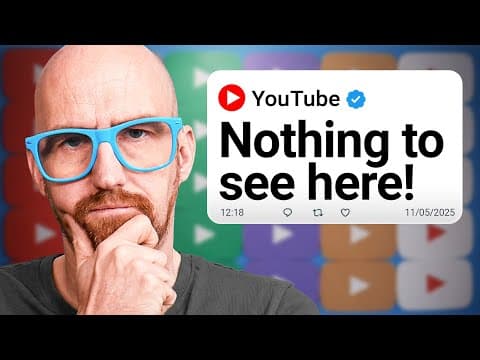
Faceless channels survive by developing a recognizable human fingerprint, such as a distinct voice, visible hands, a recurring character, or a consistent point of view. Choose an evergreen niche, vary each video's editorial angle, use AI to accelerate research rather than replace judgment, disclose realistic synthetic content when required, and build income sources beyond AdSense.
Transcript
Most faceless channels die within 6 months, and if you're building one, then you know, that should scare you because they all started the same way. Someone watched the video they say, "Start a faceless channel. It's the easiest way to make money on the internet." And then they did, but then they didn't. And if that's been you grinding with >> [musi... Read More
Key Insights
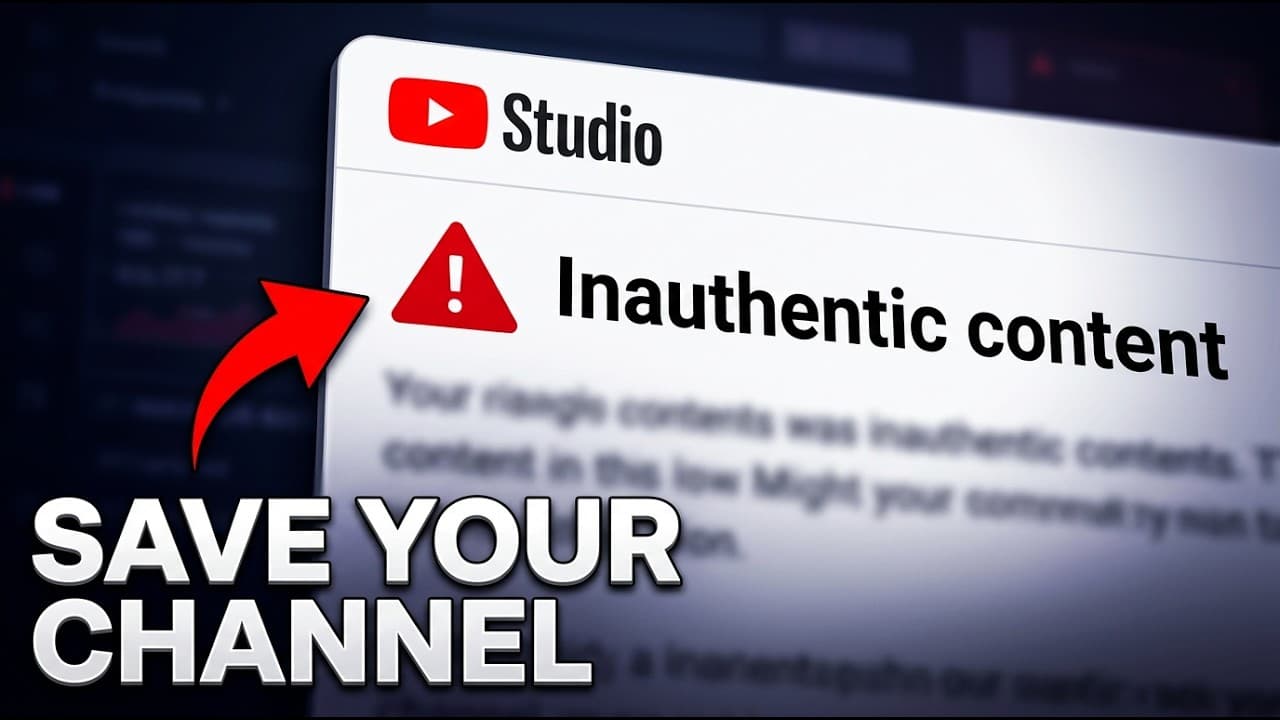
- YouTube is not anti-AI, according to the presentation. The policy change targets inauthentic content, particularly work that appears repetitive, interchangeable, deceptive, or lacking meaningful narrative and educational value, rather than banning creators simply because they use artificial intelligence during production.
- Inauthentic content can harm a channel in two ways. The fast version is demonetization for formats such as static image slides with minimal narrative or educational value, while the slow version is declining algorithmic visibility when YouTube cannot distinguish the channel from numerous similar alternatives.
- A channel fingerprint is a recognizable signal that cannot be swapped out without changing the content's identity. Examples include a creator's voice, hands, room, recurring character, or point of view, all of which indicate that a specific person shaped the work.
- High production quality is not sufficient differentiation. Several polished nature channels used similar title structures, thumbnail compositions, narration cadences, and running times, making their work difficult to distinguish even though the videos were cinematic, narrated, and presented in 4K.
- Deceptive synthetic content remains risky even when it is original. Screen Culture and KH Studio were terminated after publishing fake AI-generated movie trailers that combined real footage with generated material and encouraged viewers to believe fictional films or casting choices were real.
- AI disclosure is required for realistic synthetic content that makes a real person appear to say something they did not say, alters real footage, or fabricates a real event. AI-assisted scripts, titles, thumbnails, and an AI clone of the creator's own voice are described as uses that require no label.
- Evergreen search demand can support a repeatable format longer than temporary trend demand. Financial literacy, history, and true crime are offered as durable themes, while a World Cup rules explainer and viral trend reactions may lose relevance after their immediate moment passes.
- AdSense should not be a faceless channel's only income source because niche rates influence earnings more than view totals alone. The presentation states that a finance video with 100,000 views can out-earn a fact video with 2 million views, supporting products, lists, and brands as additional assets.
Install to Summarize YouTube Videos and Get Transcripts
Explore YouTube Video Summarizer or Get YouTube Transcript Extractor
Questions & Answers
Q: Why do most faceless YouTube channels fail?
Most faceless channels fail because they follow interchangeable formats rather than building a recognizable identity. Static images, generic AI narration, repeated thumbnail styles, identical title structures, and minimal original perspective can trigger demonetization or gradually reduce visibility. The central problem is not faceless production or AI use itself. It is the absence of a distinctive fingerprint that gives viewers and YouTube a reason to select one channel over similar alternatives.
Q: What does YouTube consider inauthentic content?
Inauthentic content is presented as repetitive or easily replaceable material with little narrative, educational, or original value. YouTube renamed its repetitious content policy to inauthentic content in July 2025. A clear warning sign is a channel built from static images, AI voiceover, and no original angle, especially when the same basic format could be exchanged with content from many competing channels without viewers noticing.
Q: What is a fingerprint for a faceless YouTube channel?
A fingerprint is any recognizable element that makes a channel difficult to substitute with another one. It can be the creator's real voice, hands, room, recurring character, distinctive point of view, or consistent editorial judgment. A face is not required. The important feature is evidence that one specific person shaped the content in a way that a generic production system or competing channel cannot reproduce exactly.
Q: How can a faceless channel avoid becoming repetitive?
A faceless channel can use a consistent template while varying the substance and emotional register of each video. The transcript recommends keeping the niche coherent, researching each subject, selecting surprising angles, deciding what to remove, and changing the editorial approach when appropriate. The format may attract an audience initially, but meaningful variation helps preserve the channel's identity and prevents every upload from appearing interchangeable.
Q: When must a YouTube creator disclose AI-generated content?
Disclosure is required when synthetic content realistically changes perceptions of a real person, real footage, or a real event. Examples include making someone appear to say something they never said, altering authentic footage, or fabricating an event as if it occurred. The transcript says that failing to use the relevant setting in those cases can threaten monetization, so creators should be truthful whenever synthetic media represents reality.
Q: Does an AI-assisted faceless channel always need an AI label?
An AI-assisted faceless channel does not always need a disclosure label under the rules described. Using AI to help create a script, title, or thumbnail requires no label, and cloning the creator's own voice for narration is also identified as exempt. The disclosure requirement begins when realistic synthetic material depicts a real person, modifies real footage, or presents a fabricated real event as authentic.
Q: How should creators choose a niche for a faceless channel?
Creators should prioritize niches with lasting search demand instead of relying entirely on temporary trends. The suggested test is whether people will still search for the subject in 2030. Financial literacy, history, and true crime are given as evergreen examples. World Cup rules and viral trend reactions may produce timely spikes, but their demand can flatten after the event or cultural moment ends.
Q: How should a faceless YouTube channel make money?
A faceless channel should not depend entirely on AdSense, particularly in a low-paying niche. The transcript emphasizes that niche rates influence income more than view count alone, noting that a finance video with 100,000 views can out-earn a fact video with 2 million views. Creators are therefore encouraged to choose a commercially useful niche and develop owned assets such as a product, list, or brand before they become necessary.
Summary & Key Takeaways
-
YouTube is not presented as opposing AI itself. Its renamed inauthentic content policy targets interchangeable material with little narrative, educational, or original value. Faceless channels can therefore fail quickly through demonetization or slowly through declining visibility when their images, narration, titles, thumbnails, pacing, and topics resemble numerous competing channels.
-
A durable faceless channel needs a fingerprint that competitors cannot easily substitute, such as the creator's voice, hands, room, recurring character, or editorial perspective. Successful examples combine that identity signal with original research, varied emotional or topical angles, simple but purposeful visuals, precise timing, and consistent authority within one clearly defined niche.
-
The recommended playbook is to choose evergreen search demand, retain human editorial judgment, vary a repeatable format, and disclose realistic synthetic depictions of people or events. Creators should also avoid deception and diversify beyond AdSense because niche economics can matter more than raw views when determining how much a channel earns.
Read in Other Languages (beta)
Share This Summary 📚
Summarize YouTube Videos and Get Video Transcripts with 1-Click
Try YouTube Summary with ChatGPT & Claude or YouTube Transcript Generator
Explore More Summaries from vidIQ 📚


Summarize YouTube Videos and Get Video Transcripts with 1-Click
Try YouTube Summary with ChatGPT & Claude or YouTube Transcript Generator