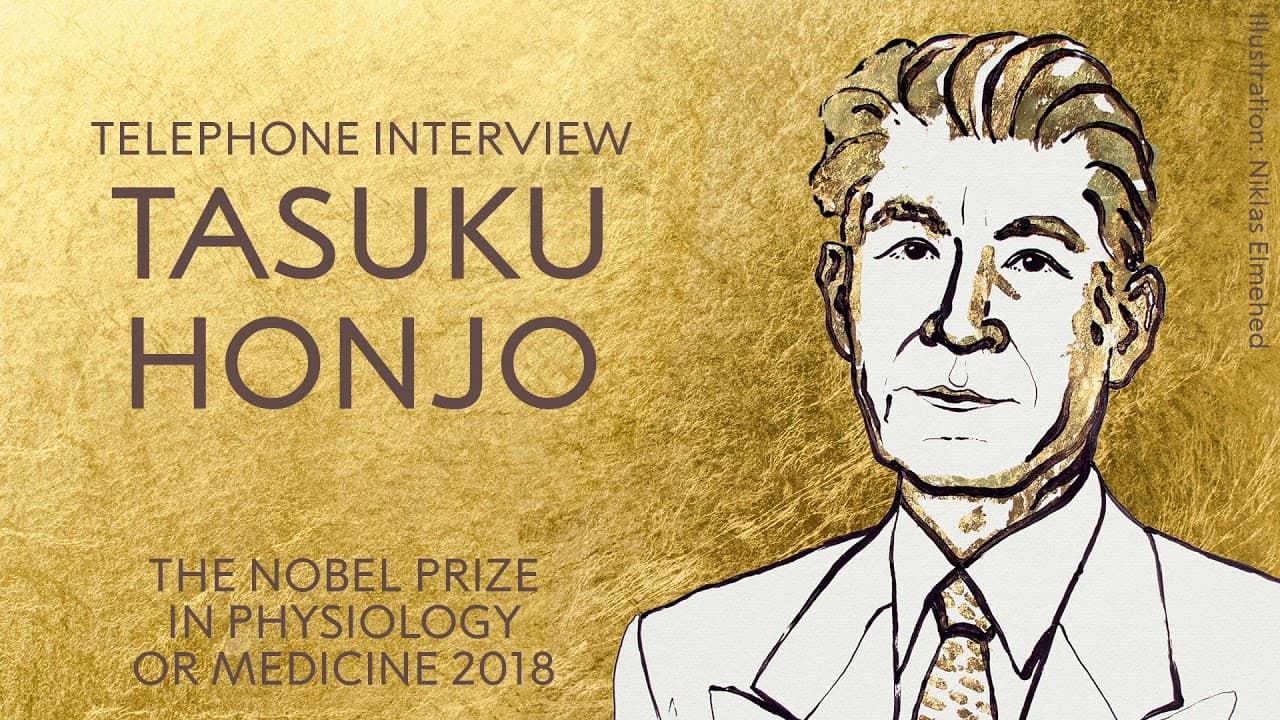
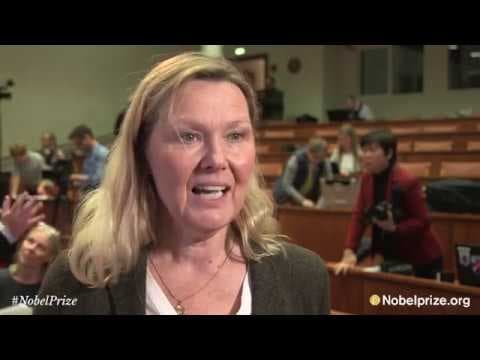
"I'm very pleased to hear that what I've done is really meaningful." Interview with Tasuku Honjo
Transcript
Read and summarize the transcript of this video on Glasp Reader (beta).
Install to Summarize YouTube Videos and Get Transcripts
Explore YouTube Video Summarizer or Get YouTube Transcript Extractor
Summary
In this video, Professor Hans discusses his reaction to receiving the Nobel Prize for his work in cancer therapy. He explains that this is the first time the Nobel Prize has been awarded for cancer therapy in many years. Professor Hans shares his joy in hearing from patients who have been saved by his therapy and expresses his hope for the future of immune checkpoint inhibitors. He also discusses the challenges that still exist in this field and the need for biomarkers to predict responsiveness and improved efficacy of treatment.
Questions & Answers
Q: What was Professor Hans' first reaction on hearing the news of the Nobel Prize?
Professor Hans expresses his great pleasure and honor upon hearing the news of the Nobel Prize. He considers it a significant achievement, as it is the first time the prize has been awarded for cancer therapy in many years.
Q: What message does Professor Hans think this Nobel Prize sends?
According to Professor Hans, the Nobel Prize for cancer therapy sends a powerful message that the treatment is effective. He mentions that the therapy he and his team discovered and developed using checkpoint inhibitors has proven to be successful in saving the lives of many patients. This sends a message of hope for cancer treatment and emphasizes the importance of continued research and advancement in the field.
Q: Did Professor Hans anticipate that his research on immunity would lead to cancer therapy?
No, Professor Hans admits that he did not expect his research on immunity would lead to cancer therapy. He explains that cancer is a complex system and finding a cure is challenging. Many people have tried to find therapies for cancer without success. Professor Hans considers himself fortunate that his research on immunity led to the discovery of effective cancer therapy. He emphasizes the need for perseverance and exploration in research, as unexpected breakthroughs can occur.
Q: What is Professor Hans' hope for the future of immune checkpoint inhibitors?
Professor Hans highlights two main areas of focus for the future of immune checkpoint inhibitors. Firstly, he mentions that currently, only around 30% of patients respond to this treatment. Therefore, he hopes to find biomarkers that can predict an individual's responsiveness to the therapy. Secondly, he aims to improve the efficacy of the treatment. Professor Hans mentions that many scientists are working towards these goals, and he believes that these challenges will be overcome in the future.
Q: How does Professor Hans view the significance of the Nobel Prize in relation to cancer therapy?
Professor Hans sees the awarding of the Nobel Prize for cancer therapy as a major milestone and a hopeful sign. He acknowledges the encouraging impact it has on countless individuals around the world who are affected by cancer. Professor Hans emphasizes the importance of collective efforts to further develop and enhance this therapy, suggesting that it is just the beginning of a much larger story.
Takeaways
The video provides insights into Professor Hans' reactions to receiving the Nobel Prize for his work in cancer therapy. He expresses great honor and joy in having his research recognized on such a prestigious platform. Professor Hans also underscores the positive impact of immune checkpoint inhibitors in saving lives. He highlights the need to address challenges, such as predicting responsiveness to treatment and improving its efficacy. Overall, the Nobel Prize serves as a hopeful sign for the advancement of cancer therapy and the collective efforts of many researchers in this field.
Read in Other Languages (beta)
Share This Summary 📚
Summarize YouTube Videos and Get Video Transcripts with 1-Click
Try YouTube Summary with ChatGPT & Claude or YouTube Transcript Generator
Explore More Summaries from Nobel Prize 📚
!["Being a novelist has been a good second choice [career]." Kazuo Ishiguro, Nobel Prize in Literature thumbnail](/_next/image?url=https%3A%2F%2Fi.ytimg.com%2Fvi%2FYqDUstHYx4Q%2Fhqdefault.jpg&w=750&q=75)
Summarize YouTube Videos and Get Video Transcripts with 1-Click
Try YouTube Summary with ChatGPT & Claude or YouTube Transcript Generator