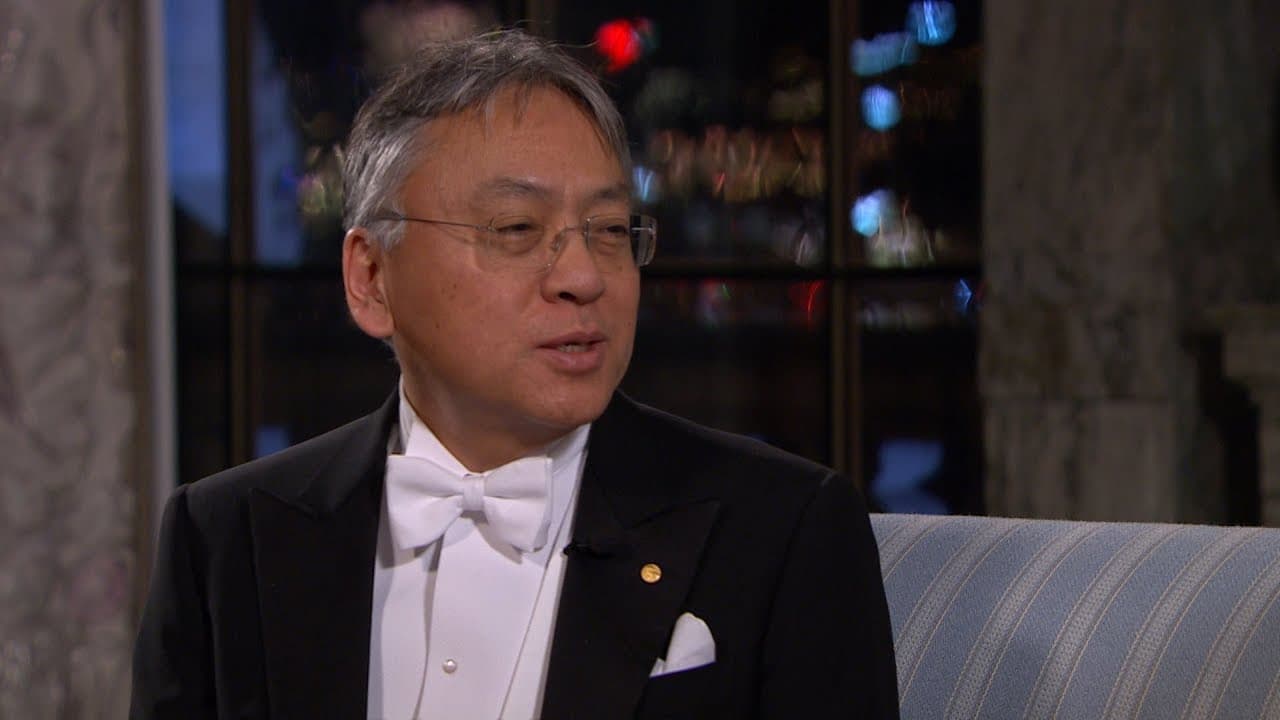
"Being a novelist has been a good second choice [career]." Kazuo Ishiguro, Nobel Prize in Literature
Transcript
Read and summarize the transcript of this video on Glasp Reader (beta).
Install to Summarize YouTube Videos and Get Transcripts
Explore YouTube Video Summarizer or Get YouTube Transcript Extractor
Summary
In this interview, the speaker discusses various topics including the award they received, childhood memories, the theme of memory in their writing, the annoyance of being categorized into genres, and their love for music.
Questions & Answers
Q: What award did the speaker recently receive?
The speaker recently received an award, although we are not informed about the specific details of the award.
Q: What was the speaker's favorite toy from their childhood that they left behind in Nagasaki?
The speaker left behind a toy where you have to fire a gun at a hen, and if you hit the target, something would come out from the bottom.
Q: How did the interviewer find the speaker's favorite toy?
The interviewer found the speaker's favorite toy by searching the internet and managed to acquire it as a gift.
Q: Why does memory hold significance for the speaker in their writing?
The speaker believes memory is significant because it allows them to preserve their childhood memories. However, it has also evolved into a writing style where they question their own recollections, providing a richer and more introspective storytelling experience.
Q: How does the speaker believe their storytelling style reflects personal and national perspectives?
The speaker prefers to write with a sense of uncertain reminiscence, acknowledging that their memories may not be entirely accurate. This parallels how individuals perceive their own pasts and how nations construct their narratives. It allows for a more nuanced understanding of history.
Q: Do genre categorizations bother the speaker?
The speaker does not find genre categorizations particularly bothersome. However, they express the belief that genres can limit a writer's imagination and inhibit readers from approaching a text without prejudiced expectations.
Q: How do the speaker's main characters cope with disappointment?
The speaker's main characters aim to cope with disappointment while maintaining their dignity. They navigate through life's letdowns, constantly striving to overcome obstacles.
Q: Does the speaker prefer being a musician over being an author?
The speaker admits to still loving music and confesses that being a musician is something they would have enjoyed more. However, they express gratitude for their writing career and perceive it as a good second choice.
Q: How does the interviewer express their appreciation for the speaker's career as a writer?
The interviewer thanks the speaker profusely for becoming a writer rather than pursuing a career in music. They imply that millions of readers are grateful for the speaker's contributions to the literary world.
Q: How does the interview end?
The interview concludes with the interviewer expressing gratitude and wishing the speaker a pleasant evening, and the speaker expressing their appreciation and excitement for the gift received.
Takeaways
In this interview, the speaker discusses the significance of memory in their writing, the restrictions of genres, the theme of coping with disappointment in their characters, and their love for music. They express a preference for storytelling that questions the accuracy of memories, providing a more introspective and nuanced approach to personal and national narratives. While they acknowledge a fondness for music, the speaker is grateful for their writing career and the impact it has had on readers.
Read in Other Languages (beta)
Share This Summary 📚
Summarize YouTube Videos and Get Video Transcripts with 1-Click
Try YouTube Summary with ChatGPT & Claude or YouTube Transcript Generator
Explore More Summaries from Nobel Prize 📚

Summarize YouTube Videos and Get Video Transcripts with 1-Click
Try YouTube Summary with ChatGPT & Claude or YouTube Transcript Generator