What Are the Most Controversial 60s Songs?
TL;DR
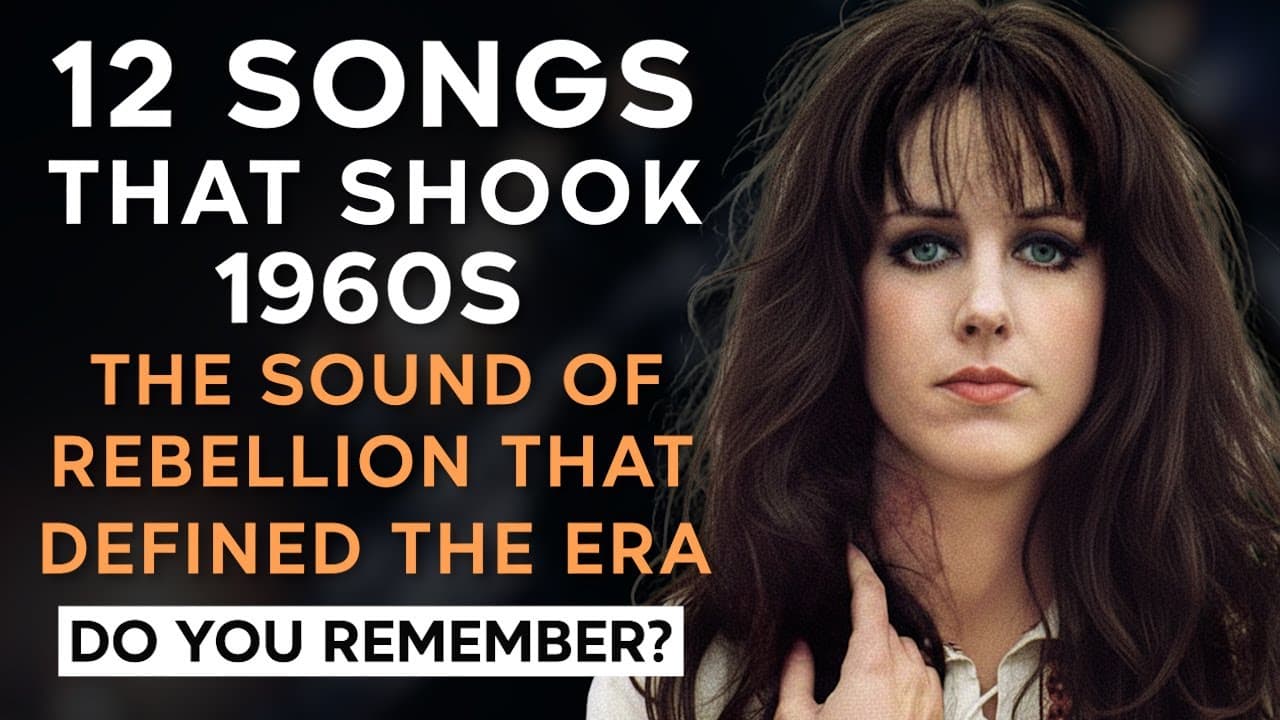
The 1960s were marked by songs that challenged societal norms and sparked controversy. From Bob Dylan's civil rights anthems to the Rolling Stones' provocative rock, these tracks were often banned or criticized but resonated deeply with young audiences. They became anthems for change, questioning authority and highlighting issues like war, race, and societal expectations.
Transcript
The 1960s didn't just give us great music. It gave us music that made people uncomfortable, that sparked debates at dinner tables, and that got banned from radio stations across the country. These were songs that parents hated, stations refused to play, and young people couldn't stop talking about. These are 12 controversial songs that defined the ... Read More
Key Insights
- Bob Dylan's 'Blowing in the Wind' became a civil rights anthem despite not explicitly mentioning race.
- The Rolling Stones' 'I Can't Get No Satisfaction' was banned for its raw and sexual lyrics.
- Barry Maguire's 'Eve of Destruction' was criticized as unpatriotic but resonated with youth disillusionment.
- Buffalo Springfield's 'For What It's Worth' captured the paranoia and tension of the 1960s.
- Jefferson Airplane's 'White Rabbit' used Alice in Wonderland imagery to comment on drug culture.
- Country Joe and the Fish's 'I Feel Like I'm Fixin' to Die Rag' was a biting satire on the Vietnam War.
- The Beatles' 'Revolution' showed John Lennon's ambivalence towards violent protest.
- James Brown's 'Say It Loud – I'm Black and I'm Proud' became an anthem for the Black Power movement.
Install to Summarize YouTube Videos and Get Transcripts
Explore YouTube Video Summarizer or Get YouTube Transcript Extractor
Questions & Answers
Q: Why was Bob Dylan's 'Blowing in the Wind' controversial?
Bob Dylan's 'Blowing in the Wind' was controversial because it posed probing questions about social justice and civil rights without providing answers. This made listeners confront their own beliefs and the societal issues of the time. Its indirect references to race and equality led to it being banned in some areas, yet it became an anthem for the civil rights movement, resonating deeply with those advocating for change.
Q: What made the Rolling Stones' 'I Can't Get No Satisfaction' controversial?
The Rolling Stones' 'I Can't Get No Satisfaction' was controversial due to its raw and sexual lyrics, which challenged societal norms and parental expectations. The song's themes of consumer dissatisfaction and sexual frustration were seen as provocative, leading to bans from certain radio stations. Despite this, its rebellious spirit and iconic riff captured the frustration of a generation, making it a defining anthem of the 1960s.
Q: How did 'Eve of Destruction' by Barry Maguire impact society?
Barry Maguire's 'Eve of Destruction' impacted society by vocalizing the widespread disillusionment and frustration with issues like the Vietnam War, racial violence, and political hypocrisy. Its raw depiction of societal problems led to it being labeled as unpatriotic and banned by many radio stations. However, the song resonated with young people who felt disillusioned by the status quo, becoming a powerful protest anthem of the era.
Q: What was the message of Buffalo Springfield's 'For What It's Worth'?
Buffalo Springfield's 'For What It's Worth' conveyed the tension and paranoia of the 1960s, capturing the spirit of protest against societal control and surveillance. Written in response to the Sunset Strip Riots, the song described the fear and uncertainty of the time, with its iconic opening line highlighting the unease felt by many. It became an anthem for those demanding change and resonated with the counterculture movement.
Q: Why did Jefferson Airplane's 'White Rabbit' face controversy?
Jefferson Airplane's 'White Rabbit' faced controversy due to its use of Alice in Wonderland imagery to comment on drug culture. Grace Slick's lyrics drew parallels between the children's story and psychedelic experiences, challenging parental perceptions and societal norms. Although it faced bans from some radio stations, its popularity on underground FM radio and its performance at Woodstock cemented its status as a psychedelic anthem.
Q: What was the significance of 'I Feel Like I'm Fixin' to Die Rag' by Country Joe and the Fish?
'I Feel Like I'm Fixin' to Die Rag' by Country Joe and the Fish was significant for its sarcastic critique of the Vietnam War. The song mocked military and political leaders, highlighting the absurdity of the conflict and the senseless loss of life. Its vaudeville style and cutting lyrics resonated with anti-war protesters, making it a staple at demonstrations and a symbol of the growing opposition to the war.
Q: How did 'Revolution' by the Beatles reflect John Lennon's views?
The Beatles' 'Revolution' reflected John Lennon's ambivalence towards violent protest and revolutionary movements. Lennon expressed a desire for change while fearing the consequences of violence, capturing the complexity of the political climate in 1968. The song's two versions, one more ambivalent and the other clearer in rejecting violence, sparked debate and highlighted the challenges of navigating political activism during a turbulent era.
Q: What impact did James Brown's 'Say It Loud – I'm Black and I'm Proud' have?
James Brown's 'Say It Loud – I'm Black and I'm Proud' had a profound impact by empowering the Black community and promoting self-pride during a time of racial tension. Released after Martin Luther King Jr.'s assassination, the song rejected calls for patience and moderation, instead asserting Black identity and strength. While it faced resistance from some radio stations, it became an anthem for the Black Power movement, inspiring a sense of pride and determination.
Summary & Key Takeaways
-
Bob Dylan's 'Blowing in the Wind' became a civil rights anthem by posing questions about social justice, making listeners confront their own beliefs. Despite being banned in some regions, it resonated deeply with the movement.
-
The Rolling Stones' 'I Can't Get No Satisfaction' challenged societal norms with its provocative lyrics, capturing the frustration of a generation. Despite bans, it became a defining song of the 60s.
-
James Brown's 'Say It Loud – I'm Black and I'm Proud' empowered the Black community, rejecting calls for patience and promoting self-pride. It faced resistance but became a key anthem for change.
Read in Other Languages (beta)
Share This Summary 📚
Summarize YouTube Videos and Get Video Transcripts with 1-Click
Try YouTube Summary with ChatGPT & Claude or YouTube Transcript Generator
Explore More Summaries from Nostalgic Tune 📚



Summarize YouTube Videos and Get Video Transcripts with 1-Click
Try YouTube Summary with ChatGPT & Claude or YouTube Transcript Generator