Why Were 1980s Songs and Videos Banned?
TL;DR
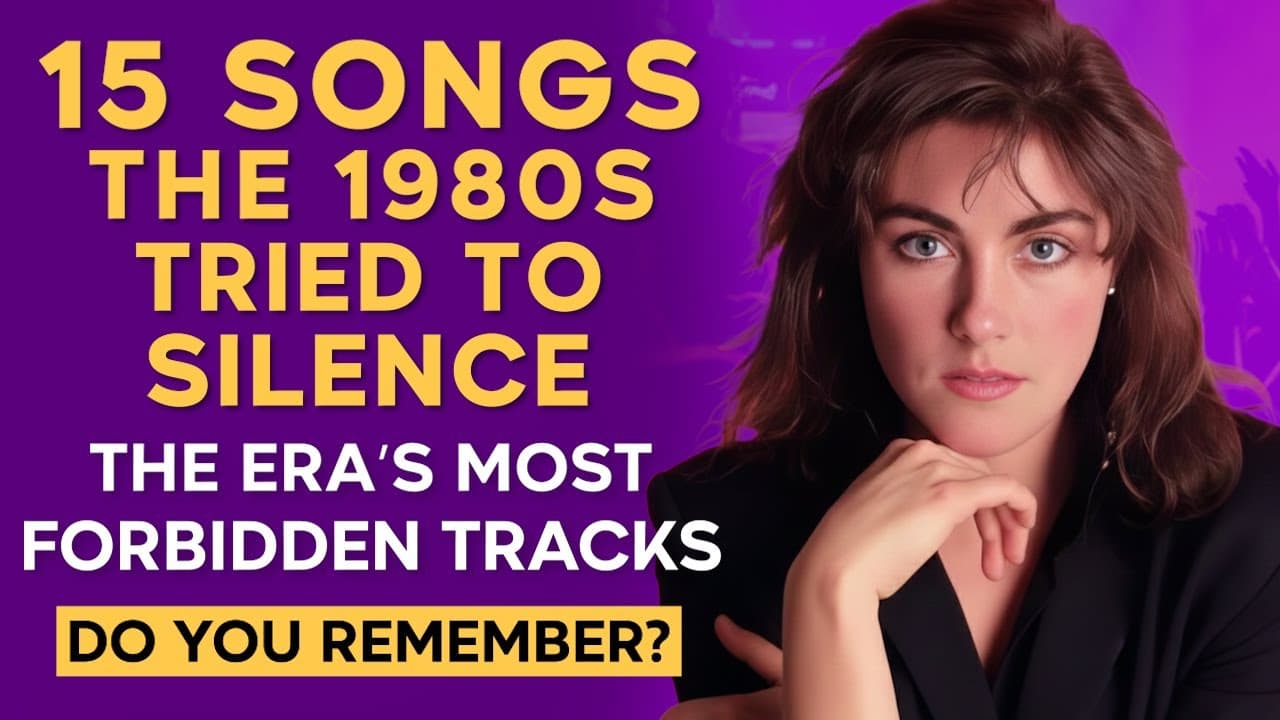
1980s songs and music videos were often restricted because of sexual imagery, religious symbolism, LGBTQ visibility, political criticism, or attacks on corporate interests. Censorship sometimes reduced exposure, as with Queen’s “I Want to Break Free,” but it could also generate publicity and demand, helping songs such as “Relax,” “Physical,” and “Like a Prayer” become major successes.
Transcript
The 80s were a time when music pushed boundaries like never before. MTV was new and suddenly songs needed videos which meant more ways to shock people. [music] Radio stations had standards. Religious groups had concerns and somewhere in between artists were making music that challenged everything. Some songs were too explicit, some too political, a... Read More
Key Insights
- • MTV’s early censorship standards were partly shaped by Queen’s “Body Language,” whose suggestive locker-room imagery made it the first video by a band to be banned by the new network, even though the song itself was described as relatively tame.
- • “Physical” combined suggestive lyrics with a gym-themed video, but its depiction of two men leaving together also alarmed broadcasters in 1981. Some stations removed that ending, while others rejected the video, yet the song spent 10 weeks at number one.
- • The BBC’s ban of “Relax” increased public curiosity instead of suppressing the song. The controversy helped Frankie Goes to Hollywood reach number one in the UK for five weeks, while the label capitalized on the attention through its “Frankie Say Relax” shirts.
- • Cultural context determined how audiences interpreted “I Want to Break Free.” British viewers recognized the band’s drag costumes as a parody of “Coronation Street,” while MTV treated them as promoting cross-dressing, refused the video, and limited the song’s American success.
- • Religious symbolism drove the backlash against “Like a Prayer.” Burning crosses, stigmata, a Black Jesus, and Madonna’s provocative performance angered Catholic organizations, prompted Vatican condemnation, and contributed to Pepsi ending its sponsorship arrangement after withdrawing the associated advertisement.
- • “Girls on Film” demonstrates that a song and its video could face very different judgments. The song was characterized as an innocent track about photography, but the uncensored nightclub-oriented video contained nudity and simulated intimate behavior, leading the BBC to ban it.
- • Corporate interests influenced MTV’s treatment of Neil Young’s “This Note’s for You.” The network initially banned a video mocking artist endorsements and commercials connected to major advertisers, but Young’s public criticism helped reverse the decision before it won MTV’s video of the year.
- • Controversy became a promotional strategy for some performers. Van Halen’s “Hot for Teacher” received limited late-night rotation because of its student-teacher fantasy and suggestive imagery, yet the combination of a catchy song, memorable visuals, and public debate helped make it a major hit.
Install to Summarize YouTube Videos and Get Transcripts
Explore YouTube Video Summarizer or Get YouTube Transcript Extractor
Questions & Answers
Q: Why were songs and music videos banned in the 1980s?
Songs and videos were banned or restricted for several reasons presented in the transcript, including sexual lyrics, nudity, suggestive performances, religious imagery, LGBTQ representation, political criticism, and attacks on corporate advertising. Broadcasters also considered when younger viewers might be watching. Decisions were shaped not only by content standards, but also by cultural expectations, pressure groups, and commercial interests.
Q: What was the first band video banned by MTV?
Queen’s “Body Language,” released in 1982, is identified as the first video by a band to be banned by MTV. Its locker-room and shower setting featured minimally dressed, sweaty bodies moving suggestively. The song itself was described as a fairly tame track about physical attraction, but the visual interpretation crossed the boundaries that the new network was beginning to establish.
Q: How did the BBC ban affect Frankie Goes to Hollywood’s “Relax”?
The BBC ban increased attention around “Relax” rather than stopping its success. BBC Radio 1 DJ Mike Read halted the track during a broadcast and declared that he would not play it again because he considered it obscene. The resulting controversy made listeners curious, and the song reached number one in the UK, remaining there for five weeks.
Q: Why did MTV reject Queen’s “I Want to Break Free” video?
MTV rejected “I Want to Break Free” because Queen appeared in drag while parodying the British soap opera “Coronation Street.” British viewers understood the joke, but many American viewers lacked that cultural context. MTV interpreted the costumes as promoting cross-dressing and refused to air the video. According to the transcript, that decision kept the song from becoming an American hit.
Q: Why was Madonna’s “Like a Prayer” controversial?
“Like a Prayer” provoked objections because its video combined Catholic imagery with provocative performance scenes. It included burning crosses, stigmata, a Black Jesus, and Madonna dancing in a slip. Religious organizations pressured MTV, and the Vatican condemned the video. Pepsi also withdrew its commercial and ended its sponsorship arrangement, although Madonna defended the work as an exploration of faith and her Catholic upbringing.
Q: Did censorship make 1980s songs more successful?
Censorship sometimes created valuable publicity, but its effect varied. The BBC ban helped turn “Relax” into a highly sought-after song, while controversy did not prevent “Physical” from spending 10 weeks at number one. “Like a Prayer” also became one of Madonna’s most successful singles. However, MTV’s refusal to show “I Want to Break Free” restricted its success in the United States.
Q: Why did MTV ban Neil Young’s “This Note’s for You”?
MTV initially banned “This Note’s for You” because its video attacked corporate sponsorship in music and parodied prominent beverage endorsements. The transcript argues that the network was protecting the advertisers supporting its business model rather than responding to explicit material. Neil Young publicly criticized MTV in an open letter, the network eventually aired the video, and it won video of the year in 1989.
Q: How did artists distribute videos that television would not show?
Some artists created or released provocative videos for outlets beyond normal television. Duran Duran’s uncensored “Girls on Film” video was designed for nightclub screens, while MTV showed only a heavily edited version. Mötley Crüe released the banned “Girls, Girls, Girls” video through home video after MTV rejected its nudity. These alternatives allowed controversial imagery to reach audiences despite broadcast restrictions.
Summary & Key Takeaways
-
MTV’s arrival gave musicians a powerful visual platform, but it also created new opportunities for censorship. Queen’s “Body Language” helped establish the network’s early boundaries, while videos by Duran Duran, Van Halen, and Mötley Crüe faced bans or restricted scheduling because their imagery was considered sexually explicit, offensive, or unsuitable for daytime audiences.
-
Censorship reflected cultural and commercial pressures as much as broadcast standards. Religious groups objected to Madonna’s use of Catholic imagery, American programmers rejected Queen’s drag parody, and MTV initially suppressed Neil Young’s criticism of corporate sponsorship. These cases show how institutional interests and missing cultural context influenced decisions about acceptable music programming.
-
A ban did not produce the same result for every artist. “Relax” gained attention and reached number one in the UK after the BBC controversy, while “Physical” remained a major hit despite objections. By contrast, the rejection of “I Want to Break Free” limited its American prospects. Controversy could function as publicity, but it could also restrict access.
Read in Other Languages (beta)
Share This Summary 📚
Summarize YouTube Videos and Get Video Transcripts with 1-Click
Try YouTube Summary with ChatGPT & Claude or YouTube Transcript Generator
Explore More Summaries from Nostalgic Tune 📚
Summarize YouTube Videos and Get Video Transcripts with 1-Click
Try YouTube Summary with ChatGPT & Claude or YouTube Transcript Generator