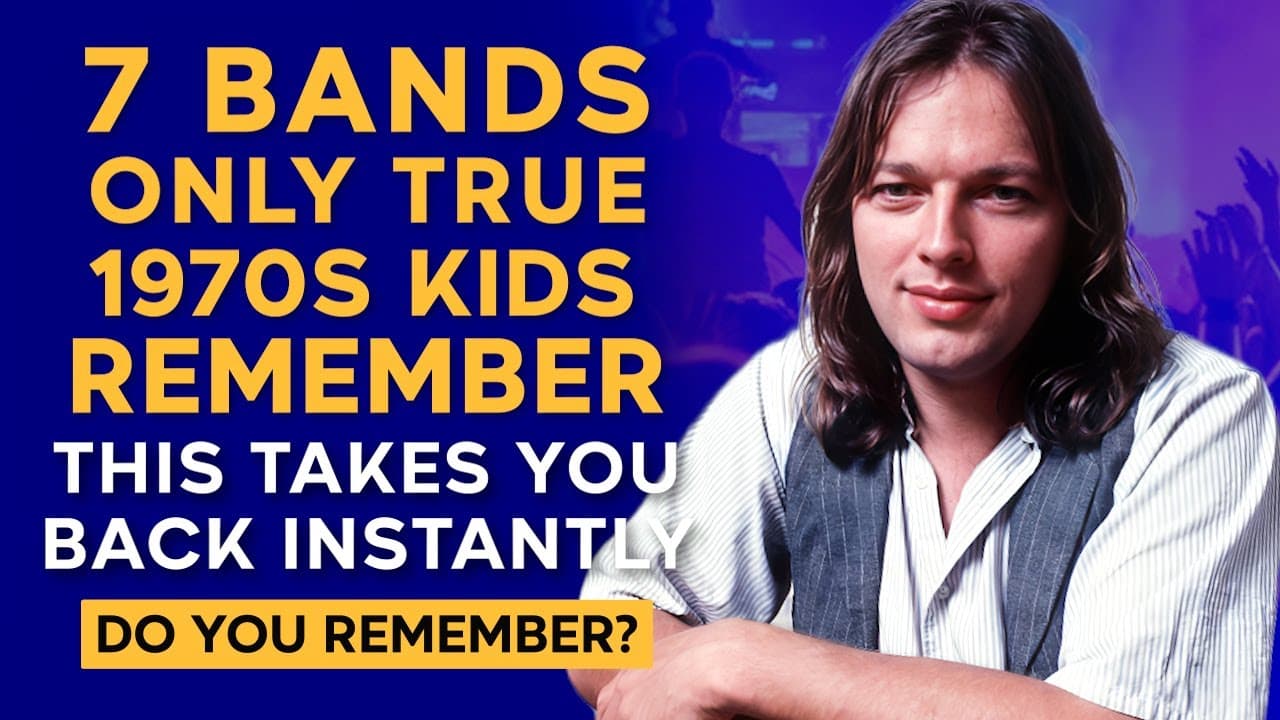
Which 7 Bands Will Only True 1970s Kids Remember?
TL;DR
Pilot, Jerry, Wild Cherry, and Nazareth are among the remembered 1970s bands whose defining hits included “Magic,” “In the Summertime,” “Play That Funky Music,” and “Love Hurts.” Pilot’s “January” topped the UK chart for three weeks, while Jerry’s “In the Summertime” reached number one in more than 20 countries. Read on to discover how distinctive sounds and unexpected inspirations created these enduring hits.
Transcript
The 1970s gave us unforgettable bands that dominated the radio for a moment, then disappeared. These weren't Led Zeppelin or Fleetwood Mack. These were the groups that captured Lightning in a bottle and then faded away, but not from the memories of those who were there. Here are seven bands only true 1970s kids will remember. Number seven, Pilot. [... Read More
Key Insights
- Pilot was a Scottish rock band formed in Edinburgh in 1973 by David Payton and Billy Lyall, who had previously served as substitute members of the Bay City Rollers. Their breakthrough recording, "Magic," combined a simple sunny theme with production by Alan Parsons.
- "Magic" was inspired by David Payton watching the sunrise on Blackford Hill in Edinburgh. The song reached number 11 in the UK, number five on the US Billboard Hot 100, and number one in Canada, while selling more than a million copies.
- "January" became Pilot’s greatest UK success when it reached number one on February 1, 1975, and remained there for three weeks. It also spent eight weeks at number one in Australia, beating competing releases by the band’s labelmates to the UK summit.
- Jerry created a distinctive jug-band blues sound with banjo, guitars, honky-tonk piano, upright bass, and no drummer. The musicians produced percussion by stomping their feet in large boots, helping the group sound unlike the typical rock bands appearing on contemporary charts.
- "In the Summertime" was written by Ray Dorset in about ten minutes during time away from his laboratory job at Timex. Producer Barry Murray extended the short recording by replaying it with a slightly remixed second half and inserting a motorcycle sound between the sections.
- "In the Summertime" reached number one in the UK for seven weeks, topped charts in more than 20 countries, and peaked at number three on the US Billboard Hot 100. Worldwide sales estimates in the transcript range from 8 to 16 million copies.
- "Play That Funky Music" was Rob Paresi’s response to club audiences repeatedly requesting funk from the rock band Wild Cherry. Released in 1976, its dance rhythm, guitars, horns, bass line, and guitar solo helped it top both the Billboard Hot 100 and R&B charts.
- Nazareth’s version of "Love Hurts" transformed an Everly Brothers song through Dan McCaffer’s raspy, emotional voice and an arrangement that built from a quiet opening into a powerful chorus. The recording went platinum in the United Kingdom and United States and reached number eight in the US.
Install to Summarize YouTube Videos and Get Transcripts
Explore YouTube Video Summarizer or Get YouTube Transcript Extractor
Questions & Answers
Q: Which forgotten 1970s bands had major hits?
Highlighted examples include Pilot, Jerry, Wild Cherry, and Nazareth. Their defining hits were “Magic,” “In the Summertime,” “Play That Funky Music,” and “Love Hurts,” respectively.
Q: How did Pilot become successful in the 1970s?
Pilot broke through with the Alan Parsons-produced “Magic” in 1974. It reached number 11 in the UK, number five on the US Billboard Hot 100, and number one in Canada, while the follow-up “January” led the UK chart for three weeks and the Australian chart for eight weeks.
Q: What inspired Pilot’s song “Magic”?
David Payton said “Magic” was inspired by watching the sunrise on Blackford Hill in Edinburgh. Rather than focusing on romance or heartbreak, the lyrics celebrated the simple joy of waking up on a sunny day.
Q: Why did Pilot fade after its major hits?
Pilot’s later singles, including “Call Me Round” and “Just a Smile,” reached the UK top 40 in 1975 but did not achieve comparable success elsewhere. By 1977, only David Payton and guitarist Ian Baronson remained from the original lineup, and the members had moved to other projects by 1978.
Q: How was “In the Summertime” written and recorded?
Ray Dorset wrote “In the Summertime” in about ten minutes while working at a Timex laboratory. Because the initial recording was only about two minutes long, producer Barry Murray replayed it with a slightly remixed second half and inserted a motorcycle sound between the sections.
Q: Why did Jerry sound different from other 1970s bands?
Jerry played jug-band blues using banjo, guitars, honky-tonk piano, and upright bass without a drummer. The musicians created percussion by stomping their feet in large boots, giving the group an unusual sound.
Q: How successful was “In the Summertime”?
“In the Summertime” reached number one in the UK and stayed there for seven weeks. It topped charts in more than 20 countries, peaked at number three on the US Billboard Hot 100, and had estimated worldwide sales of 8 to 16 million copies.
Q: What made Wild Cherry’s “Play That Funky Music” and Nazareth’s “Love Hurts” distinctive?
Wild Cherry created “Play That Funky Music” after club audiences repeatedly requested funk from the rock band, and the song topped both the Billboard Hot 100 and R&B charts. Nazareth transformed the Everly Brothers’ “Love Hurts” with Dan McCaffer’s raspy vocals and an arrangement that grew from a quiet opening into a powerful chorus, reaching number eight in the US.
Summary & Key Takeaways
-
Pilot emerged from Edinburgh with the Alan Parsons-produced "Magic," a sunny song inspired by David Payton watching a sunrise on Blackford Hill. After "January" topped the UK chart for three weeks, the original lineup diminished. Several members later found continuing work with the Alan Parsons Project, 10 CC, and other musical ventures.
-
Jerry achieved international success with "In the Summertime," a song Ray Dorset wrote in about ten minutes while employed at a Timex laboratory. Its jug-band blues arrangement, boot-stomp percussion, unusual maxi-single release, and well-timed festival appearance helped it top charts in more than 20 countries and sell millions of copies worldwide.
-
Wild Cherry transformed a club audience’s demand for funk into the chart-topping "Play That Funky Music," while Nazareth transformed the Everly Brothers’ "Love Hurts" through Dan McCaffer’s raspy singing and an increasingly powerful arrangement. Both recordings became defining songs, even as their creators’ broader catalogs received less lasting mainstream attention.
Read in Other Languages (beta)
Share This Summary 📚
Summarize YouTube Videos and Get Video Transcripts with 1-Click
Try YouTube Summary with ChatGPT & Claude or YouTube Transcript Generator
Explore More Summaries from Nostalgic Tune 📚



Summarize YouTube Videos and Get Video Transcripts with 1-Click
Try YouTube Summary with ChatGPT & Claude or YouTube Transcript Generator