Why Were These 1970s Hit Songs So Hated?
TL;DR
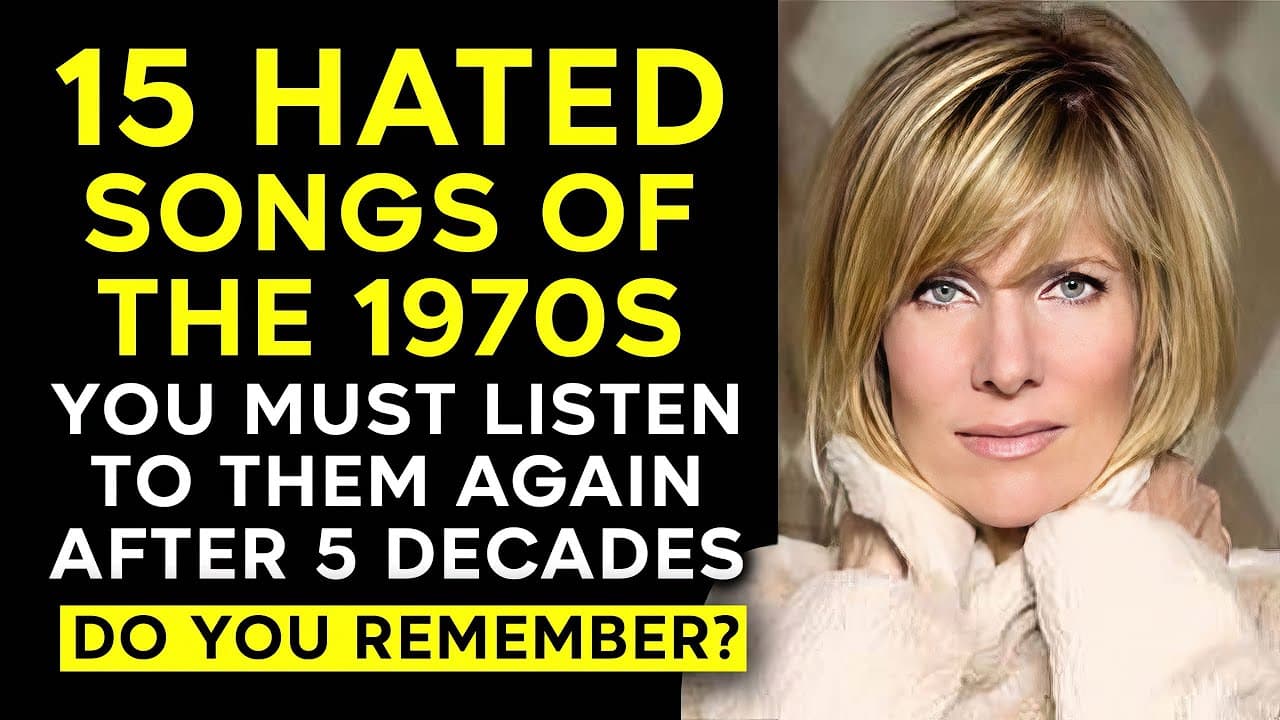
Heavy radio repetition, clashing tones, gimmicky vocals, excessive sentiment, and calculated production turned several successful 1970s songs into targets of listener frustration. The criticism focused less on popularity than on execution, including cheerful arrangements paired with death or war, theatrical performances, manipulative nostalgia, awkward innuendo, and novelty concepts that became irritating after repeated exposure.
Transcript
You know that feeling when a song comes on the radio and you immediately reach for the dial? Well, the 1970s gave us some absolutely unforgettable music, but not all of it was unforgettable for the right reasons. So, today we're taking a trip back to explore 15 most hated songs of the 1970s. Number 15, Disco Duck by Rick D's. Let's start with what ... Read More
Key Insights
- "Disco Duck" is presented as a novelty hit whose Donald Duck impression and repeated quacking became irritating under heavy radio play. Its number-one success also symbolized the commercialization of popular music and encouraged more animal-themed novelty records that contributed to listener fatigue.
- "MacArthur Park" is criticized for combining surreal cake-in-the-rain imagery with Richard Harris's theatrical delivery and a runtime of nearly seven and a half minutes. Its serious tone made the mundane central image especially easy to mock, although Donna Summer's 1978 cover showed that another arrangement could work.
- "You Light Up My Life" is described as a highly successful song damaged by omnipresence and excessive sweetness. Its 10 consecutive weeks at number one placed it on radio stations, in stores, and at weddings until even some initial admirers grew tired of its polished, sanitized sound.
- "Playground in My Mind" is portrayed as unsettling because Clint Holmes used an artificially high, childlike voice over a carnival-style arrangement. A concept intended to evoke childhood innocence instead felt creepy to many listeners, while critics interpreted its nostalgia as a calculated tool for commercial appeal.
- "The Night Chicago Died" is faulted for turning fictionalized American history into an exaggerated pop drama. Paper Lace's British accents, limited understanding of Chicago geography, spoken sections, orchestration, and sound effects made the story feel more like theatrical dress-up than a serious historical narrative.
- "Billy Don't Be a Hero" is criticized because its cheerful production conflicts with its story of a soldier who ignores his girlfriend's pleas and dies in battle. The upbeat delivery weakened the anti-war message and led veterans' organizations and military families to feel that real loss was being trivialized.
- "Afternoon Delight" is presented as awkward because obvious food metaphors for afternoon romance were sung with wholesome harmonies and a clean-cut image. The disguised sexual content initially avoided censorship, but parents became uncomfortable when its meaning was clear, while teenagers regarded the performance as embarrassingly uncool.
- "Shannon" and "Seasons in the Sun" are criticized for presenting grief through polished, emotionally calculated production. One concerns a drowned dog and the other a dying man's farewells, yet exaggerated sentiment or cheerful musical choices made their sadness feel manipulative, artificial, or disconnected from the subject matter.
Install to Summarize YouTube Videos and Get Transcripts
Explore YouTube Video Summarizer or Get YouTube Transcript Extractor
Questions & Answers
Q: Why did popular 1970s songs become widely hated?
Popular songs could become hated when constant radio play magnified qualities listeners already found irritating. The examples combine overexposure with quacking, childlike vocals, excessive sentiment, awkward euphemisms, theatrical performances, and polished production that felt calculated. Chart success therefore did not guarantee lasting affection. In some cases, repeated exposure turned initial curiosity or enjoyment into fatigue and an immediate desire to change the station.
Q: Why was "Disco Duck" considered so annoying?
"Disco Duck" centered on Rick Dees performing a Donald Duck impression and quacking over a disco beat. Radio programmers initially welcomed its novelty, but frequent daily play made the vocal gimmick increasingly grating. Serious music fans also viewed it as a commercial mockery of disco that reduced popular music to a gimmick. Its success encouraged additional animal-themed novelty records, adding to listeners' broader fatigue with the format.
Q: Why did listeners criticize "MacArthur Park"?
Listeners criticized "MacArthur Park" for its combination of surreal imagery, excessive length, and highly theatrical singing. Richard Harris treated the image of a cake melting in the rain as an intense metaphor for lost love, and the contrast invited mockery. At nearly seven and a half minutes, the song also occupied an unusually long stretch of radio time. Its seriousness consequently struck many listeners as pretentious and self-indulgent.
Q: How did overexposure hurt "You Light Up My Life"?
"You Light Up My Life" spent 10 consecutive weeks at number one in 1977, making it difficult for listeners to avoid. It appeared repeatedly on radio stations, in stores, and at weddings. The earnest performance and polished production initially appealed to audiences, but constant repetition made its sweetness feel suffocating and manufactured. Even some people who first enjoyed it reportedly began reaching for the radio dial after weeks of saturation.
Q: Why was "Billy Don't Be a Hero" criticized despite its anti-war message?
"Billy Don't Be a Hero" intended to address the cost of war through a story about a young soldier who ignores his girlfriend's pleas and dies in battle. However, its bouncy arrangement and peppy vocal delivery conflicted with that tragic narrative. The production made battlefield death sound cheerful, weakening the intended message. Veterans' organizations and military families consequently felt that the song trivialized soldiers' experiences and the grief of their relatives.
Q: What made "Afternoon Delight" controversial and awkward?
"Afternoon Delight" used food metaphors to describe afternoon romance, but the innuendo was obvious enough to feel juvenile. The Starland Vocal Band's wholesome harmonies and clean-cut presentation clashed with the sexual subject, producing an uncomfortable contrast. Radio stations initially played it because the meaning was disguised enough to avoid censorship. Parents later disliked hearing children sing it, while teenagers considered its earnest performance deeply uncool.
Q: Why did "Shannon" divide animal lovers and critics?
"Shannon" told a tearful story about a dog who drowned while trying to save its owner. Some animal lovers found the song genuinely moving, but others believed it deliberately exploited their feelings. Henry Gross's highly emotional singing, slick production, and heavy orchestral treatment made the grief seem calculated to critics. Its success also inspired similar sad-animal songs, creating a short trend that some radio listeners came to dread.
Q: How can musical tone undermine a song's serious subject?
Musical tone can undermine a serious subject when the arrangement communicates an emotion that conflicts with the lyrics. "Billy Don't Be a Hero" pairs battlefield death with upbeat pop, while "Seasons in the Sun" presents a dying man's farewells through an artificially cheerful vocal, bouncy rhythm, and major-key melody. In both cases, listeners found the contrast unsettling because tragedy sounded light, commercial, or emotionally insincere.
Summary & Key Takeaways
-
Commercial success did not protect these songs from widespread criticism. Several reached prominent chart positions, including "Disco Duck," which reached number one, and "You Light Up My Life," which remained there for 10 consecutive weeks. Their constant radio presence frequently transformed initial curiosity or affection into fatigue and active dislike.
-
Novelty and tonal mismatch were recurring sources of irritation. Quacking vocals, an artificially childlike voice, obvious romantic euphemisms, and theatrical storytelling attracted attention but quickly became grating. Cheerful arrangements also weakened serious stories about war, death, and grief, leaving some listeners feeling that painful subjects had been trivialized or commercially exploited.
-
Critics repeatedly objected to music that appeared manufactured, overly sentimental, or culturally inauthentic. Slick production could make emotion seem calculated, while exaggerated singing made grief or romance feel artificial. Songs about Chicago history, childhood nostalgia, a drowned dog, melting cake, and a dying man's farewell became divisive because their execution overwhelmed their intended meaning.
Read in Other Languages (beta)
Share This Summary 📚
Summarize YouTube Videos and Get Video Transcripts with 1-Click
Try YouTube Summary with ChatGPT & Claude or YouTube Transcript Generator
Explore More Summaries from Nostalgic Tune 📚

Summarize YouTube Videos and Get Video Transcripts with 1-Click
Try YouTube Summary with ChatGPT & Claude or YouTube Transcript Generator