What Is the Dark Side of Kindness, and How Can You Avoid Losing Yourself?
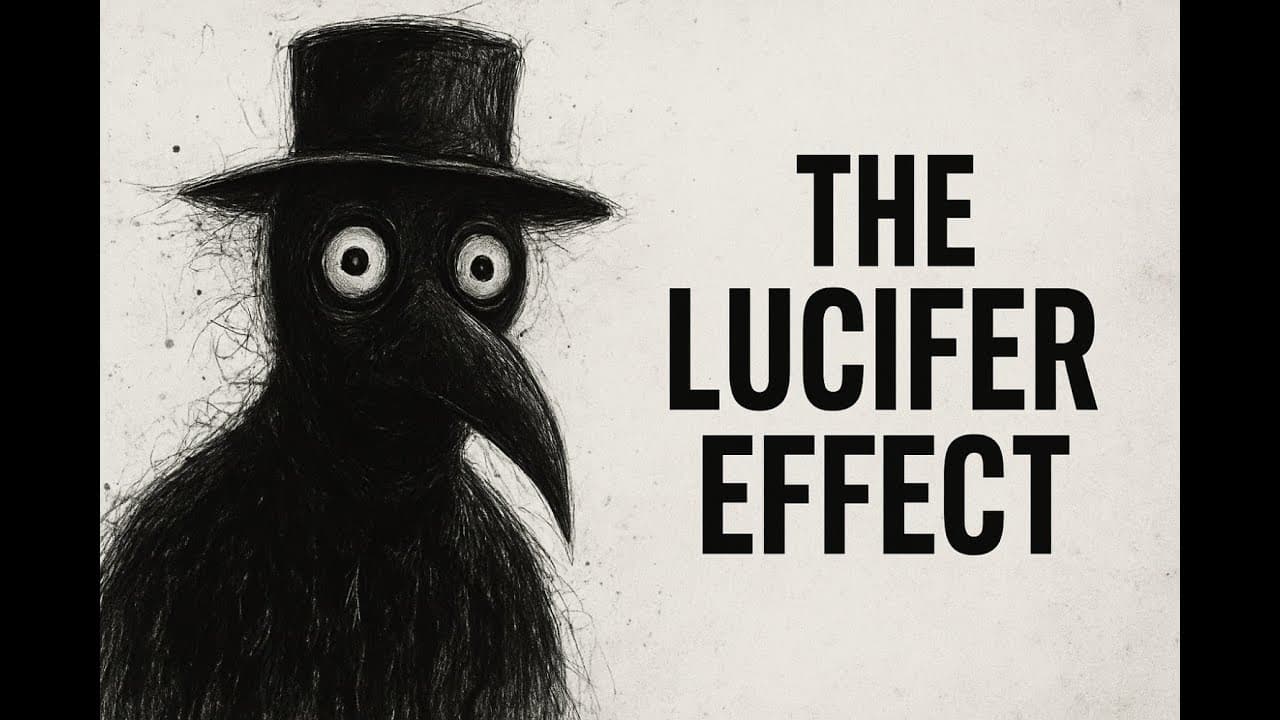
TL;DR
The dark side of kindness appears when helping others requires you to ignore your own needs, limits, and honest feelings. Kindness driven by fear, guilt, or a need for approval can lead to compassion fatigue, resentment, anxiety, depression, physical health problems, and burnout. Authentic care is voluntary and supported by clear boundaries, so read on to recognize harmful patterns and protect your capacity for genuine compassion.
Transcript
Have you ever noticed that some of the kindest people you've ever met are also some of the most tired people? The ones who always show up, who always smile, who always say yes when you ask for help. But if you look closely enough, if you really pay attention, you can see the exhaustion in their eyes. You can sense that somewhere behind that kindnes... Read More
Key Insights
- Kindness can become a survival strategy when a child learns that agreeableness, obedience, or self-sacrifice earns affection and approval. This conditioning can persist into adulthood, making it difficult to separate authentic identity from the role other people expect that person to perform.
- Forced kindness is a mask when it is motivated by rejection fears or a desperate need to feel valued. Repeatedly helping while ignoring personal limits may appear generous, but the pattern can suffocate individual needs and create resentment beneath outward politeness.
- Compassion fatigue is emotional depletion caused by giving extensive empathy and care until personal resources run dry. The transcript identifies healthcare workers, teachers, parents, and self-described kind people as vulnerable when continual caregiving is not balanced with boundaries and restoration.
- Kindness without boundaries can become self-neglect because the giver continually treats other people's feelings, needs, and comfort as more important. This behavior can teach others to expect constant adjustment, stop asking what the giver wants, and gradually overlook that person altogether.
- Suppressed needs and anger do not simply disappear when someone maintains an agreeable exterior. They can accumulate and later surface as irritability, passive-aggressive remarks, disproportionate reactions, or an emotional explosion that surprises both the person and those around them.
- Authentic altruistic behavior supports well-being only when it is voluntary, according to research described in the transcript. Kindness performed through guilt, obligation, or fear of disappointing people is presented as lowering happiness and increasing stress instead of creating the benefits associated with freely chosen care.
- The brain supports empathy through a mirror neuron system that responds to another person's pain. The transcript argues that constant exposure to suffering without boundaries can flood a person with stress signals, contributing over time to chronic stress responses, immune system issues, and emotional exhaustion.
- Healthy boundaries are honest statements about what a person can and cannot give. They distinguish one person's responsibilities and limits from another's, reduce dependency and silent suffering, and make kindness more trustworthy because a yes given within clear limits is sincere rather than compelled.
Install to Summarize YouTube Videos and Get Transcripts
Explore YouTube Video Summarizer or Get YouTube Transcript Extractor
Questions & Answers
Q: What is the dark side of kindness?
Kindness has a dark side when it becomes forced self-sacrifice rather than a voluntary expression of care. Continually suppressing your needs to earn love, avoid rejection, or satisfy others can produce exhaustion, resentment, loneliness, and a weakened sense of identity.
Q: When does kindness become people-pleasing?
Kindness becomes people-pleasing when it is driven by fear of rejection, guilt, obligation, or a desperate need to feel valued. Instead of helping by choice, the person habitually agrees, adjusts, and sacrifices personal needs to preserve approval or affection.
Q: Why do some kind people struggle to say no?
Some people learn in childhood that being agreeable and putting others first earns praise, affection, or acceptance. As that association becomes part of their identity, saying no can feel selfish or threatening even when a request exceeds their limits.
Q: What is compassion fatigue, and who can experience it?
Compassion fatigue occurs when someone gives so much empathy and care that their emotional resources run dry. The transcript identifies healthcare workers, teachers, parents, and everyday people who see themselves as kind souls as vulnerable to it.
Q: How can kindness without boundaries cause burnout?
Constantly listening, helping, lending resources, or sacrificing rest can drain the giver's emotional and physical capacity. The transcript describes research finding that people who struggle to say no are significantly more likely to experience burnout.
Q: Why can excessive kindness create resentment?
Resentment develops when someone repeatedly says yes while silently wanting rest, reciprocity, or the freedom to refuse. Suppressed frustration can later appear as irritability, passive-aggressive comments, emotional withdrawal, or an explosive reaction.
Q: How can being endlessly kind make someone feel invisible?
When one person always adjusts, others may begin to assume that person's needs and feelings are secondary. They can stop asking what the giver wants, leaving the supposedly kind person overlooked and lonely beneath an agreeable exterior.
Q: How can someone practice kindness without losing themselves?
Practice kindness as a voluntary choice while honestly recognizing what you can and cannot give. Protect your rest, express your needs, and say no when necessary so that helping others does not become self-neglect. Clear boundaries make each yes more sincere and keep compassion sustainable.
Summary & Key Takeaways
-
Kindness can become harmful when it develops as a survival strategy for earning love, affection, praise, or acceptance. A person may become dependable and agreeable while habitually suppressing personal needs. Over time, this pattern can turn kindness into a mask that produces exhaustion, resentment, lost identity, and emotional distress.
-
Compassion fatigue can affect healthcare workers, teachers, parents, and everyday people who continually absorb others' suffering without protecting their own energy. The transcript connects unchecked empathy and chronic self-sacrifice with stress, burnout, anxiety, depression, physical health problems, and emotional exhaustion. Balanced connection is presented as healthier than endless, boundaryless giving.
-
Authentic kindness comes from choice rather than fear, guilt, obligation, or compulsion. Healthy boundaries clarify what a person can and cannot give, preventing care from decaying into resentment. Beginning with self-kindness, protecting rest, and saying no when needed allow compassion to remain honest, sustainable, mutual, and grounded in respect.
Read in Other Languages (beta)
Share This Summary 📚
Summarize YouTube Videos and Get Video Transcripts with 1-Click
Try YouTube Summary with ChatGPT & Claude or YouTube Transcript Generator
Explore More Summaries from Kee 📚


Summarize YouTube Videos and Get Video Transcripts with 1-Click
Try YouTube Summary with ChatGPT & Claude or YouTube Transcript Generator