Why Does Being Nice Often Feel Unfulfilling?
TL;DR
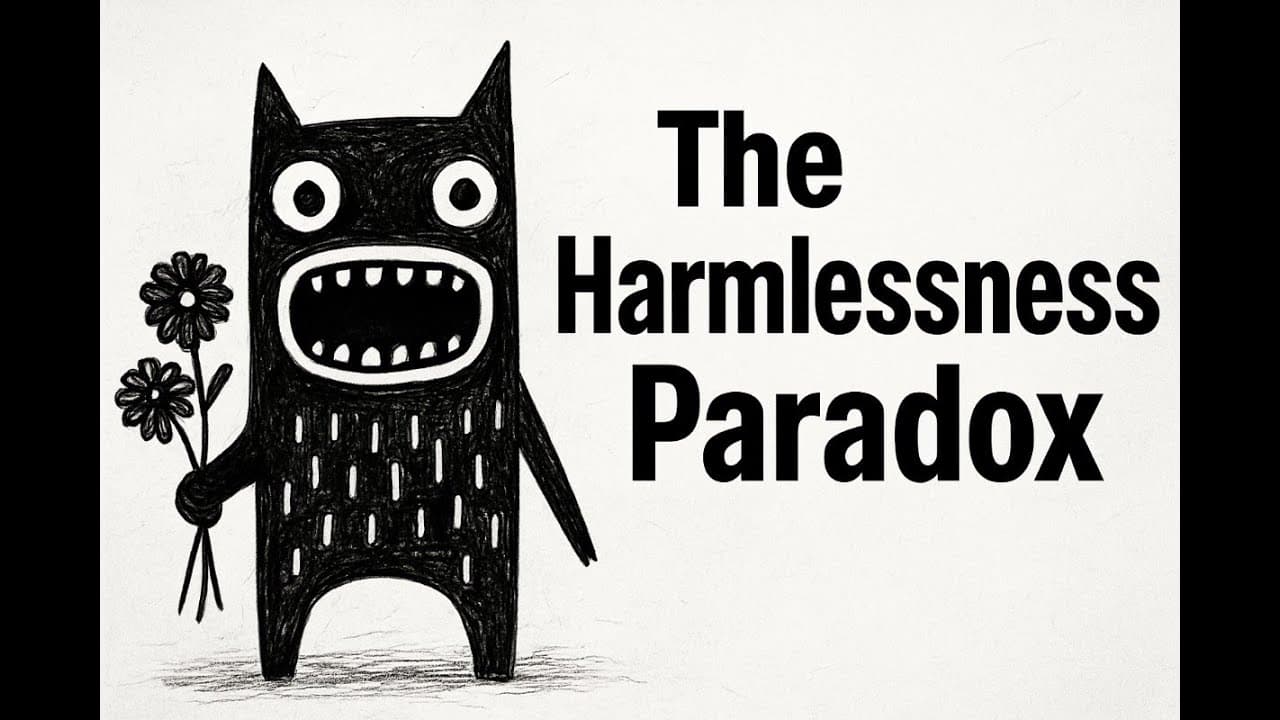
Being excessively nice can lead to feelings of invisibility and unfulfillment. While niceness may bring temporary approval, it often lacks the depth needed for genuine connection and respect. True kindness involves authenticity and boundaries, allowing for real relationships and self-respect.
Transcript
Have you ever wondered why some of the kindest people you know often seem to carry the heaviest weight on their shoulders? The ones who always say yes, who smile even when they are exhausted, who never want to upset anyone. On the surface, they look like the embodiment of goodness. Yet deep down they are often struggling with feelings of emptiness,... Read More
Key Insights
- Niceness can create safety but rarely builds respect or deep connection.
- Excessive agreeableness is linked to being well-liked but not well-respected.
- Authenticity and boundaries are crucial for genuine relationships and self-respect.
- Niceness without authenticity becomes a wall rather than a bridge.
- True kindness involves expressing truth with compassion and setting boundaries.
- Fear of conflict and rejection often drives people to choose niceness over authenticity.
- Saying no with clarity and kindness gives meaning to your yes.
- Authentic kindness leads to deeper connections and genuine respect.
Install to Summarize YouTube Videos and Get Transcripts
Explore YouTube Video Summarizer or Get YouTube Transcript Extractor
Questions & Answers
Q: Why does excessive niceness lead to feeling unfulfilled?
Excessive niceness often leads to unfulfillment because it prioritizes temporary approval over genuine connection. When people focus solely on being agreeable, they may become invisible and lack the depth needed for real relationships. Authenticity and boundaries are crucial for building respect and meaningful connections, which niceness alone cannot provide.
Q: What is the paradox of niceness?
The paradox of niceness is the idea that while being nice can create safety and temporary approval, it often leads to invisibility and a lack of respect. People who are excessively nice may struggle with unfulfilled relationships because niceness without authenticity and boundaries fails to foster genuine connections.
Q: How does niceness affect professional advancement?
In professional settings, excessive niceness can hinder advancement because agreeable individuals may be perceived as lacking the strength to handle conflict or make hard decisions. Studies show that agreeable employees are less likely to be promoted to leadership positions, not due to a lack of talent, but because their harmlessness is often mistaken for a lack of influence.
Q: Why is authenticity important in relationships?
Authenticity is crucial in relationships because it allows for genuine connection and respect. When individuals are authentic, they express their true feelings and set boundaries, which fosters trust and intimacy. Without authenticity, relationships may feel shallow and lack the depth needed for meaningful bonds, as niceness alone can create distance rather than closeness.
Q: What role do boundaries play in kindness?
Boundaries are essential in kindness because they help maintain authenticity and self-respect. Setting boundaries allows individuals to express their truth with compassion, ensuring that their kindness is genuine and not simply a means to avoid conflict. Boundaries also teach others how to engage respectfully, fostering deeper and more meaningful connections.
Q: How can one overcome the fear of being disliked?
Overcoming the fear of being disliked involves embracing authenticity and understanding that true connections are built on honesty. By expressing one's true self and setting boundaries, individuals can build respect and genuine relationships. While risking disapproval may be daunting, it ultimately leads to deeper connections and self-respect, as people are drawn to authenticity.
Q: What is the difference between niceness and true kindness?
Niceness often involves avoiding conflict and seeking approval through agreeableness, while true kindness is about expressing truth with compassion and setting boundaries. True kindness includes the self and does not erase one's identity for the sake of harmony. It involves being real and authentic, fostering genuine connections and respect rather than temporary approval.
Q: How can saying no enhance relationships?
Saying no with clarity and kindness enhances relationships by giving weight to one's yes, ensuring that commitments are genuine and meaningful. It allows individuals to set boundaries and maintain authenticity, fostering trust and respect. By saying no when necessary, people demonstrate their true selves, leading to deeper and more fulfilling connections.
Summary & Key Takeaways
-
Niceness often leads to temporary approval but lacks the depth needed for genuine connection and respect. Excessive agreeableness may result in being well-liked but not well-respected. The key to overcoming the harmlessness trap is embracing authenticity and setting boundaries, which fosters real relationships and self-respect.
-
Fear of conflict and rejection often drives people to choose niceness over authenticity. Niceness without authenticity becomes a wall rather than a bridge, preventing meaningful connections. True kindness involves expressing truth with compassion, setting boundaries, and risking disapproval to unlock deeper connections and genuine respect.
-
Saying no with clarity and kindness gives meaning to your yes, allowing for authentic relationships and self-respect. Authentic kindness leads to deeper connections and genuine respect, as it involves expressing truth with compassion and setting boundaries, rather than simply being agreeable to avoid conflict.
Read in Other Languages (beta)
Share This Summary 📚
Summarize YouTube Videos and Get Video Transcripts with 1-Click
Try YouTube Summary with ChatGPT & Claude or YouTube Transcript Generator
Explore More Summaries from Kee 📚


Summarize YouTube Videos and Get Video Transcripts with 1-Click
Try YouTube Summary with ChatGPT & Claude or YouTube Transcript Generator