The Psychology of a Child Who Grew Up Too Fast
TL;DR
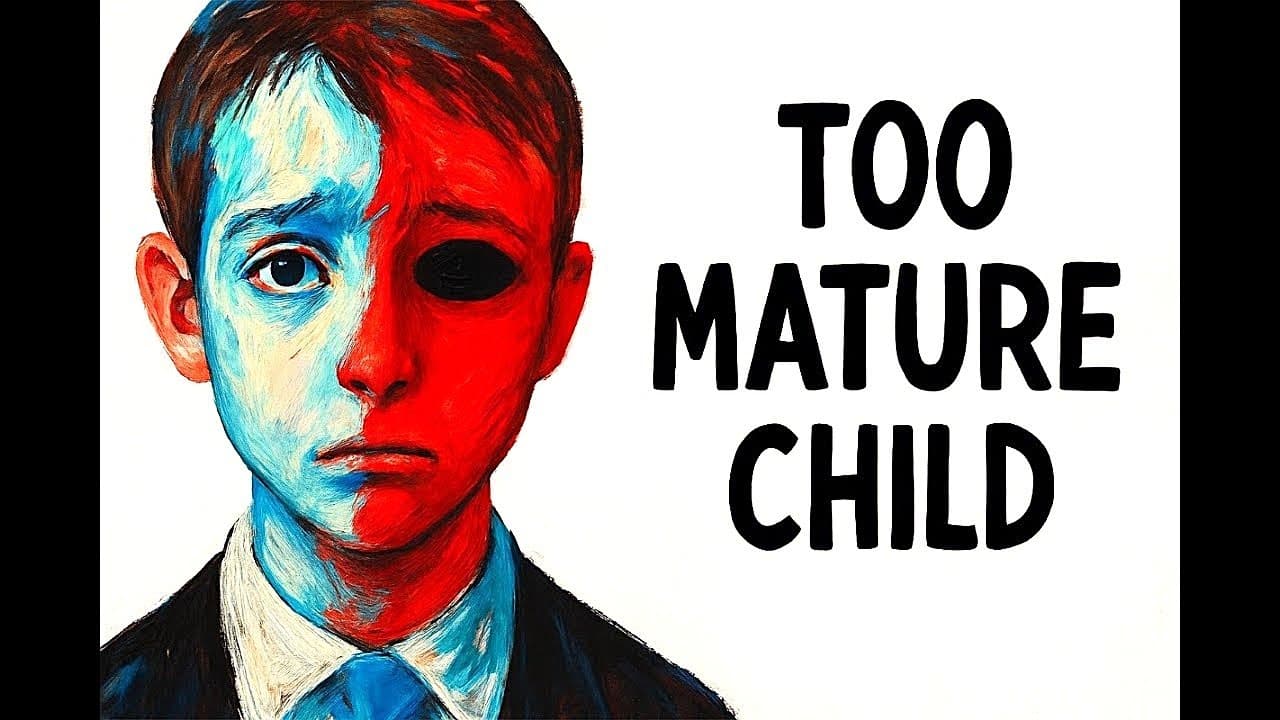
The psychology of a child who grew up too fast is shaped by survival strategies that look like maturity, including hypervigilance, emotional suppression, people-pleasing, and control. Early responsibility can follow them into adulthood as anxiety, perfectionism, exhaustion, distrust, and difficulty resting or receiving care. Read on to understand how lost childhood safety affects emotions, relationships, joy, and self-worth.
Transcript
Let me tell you something that most people never admit out loud. Some children never really got the chance to be children. They learned to stay quiet when others argued. They learned to take care of people older than them. They learned that crying didn't fix things. It only made them seem weaker in a world that demanded strength long before they we... Read More
Key Insights
- Growing up too fast often leads to children developing coping mechanisms that are mistaken for maturity, strength, and independence.
- Children who take on adult responsibilities early may become hypervigilant, constantly scanning for danger and seeking to control their environment.
- These individuals often struggle with emotional exhaustion, finding it difficult to rest, trust others, and receive love.
- The experience of early responsibility can lead to deep loneliness, as these children become emotionally self-sufficient at a young age.
- Early experiences of parentification can influence adult attachment styles, leading to perfectionism and anxiety.
- Adults who grew up too fast may experience 'delayed adolescence,' a period of reclaiming lost childhood experiences and spontaneity.
- Healing involves acknowledging the past, understanding the impact of early responsibility, and reconnecting with one's inner child.
- The journey to healing emphasizes that peace and safety do not need to be earned and that it's never too late to grow up again on one's own terms.
Install to Summarize YouTube Videos and Get Transcripts
Explore YouTube Video Summarizer or Get YouTube Transcript Extractor
Questions & Answers
Q: What is the psychology of a child who grew up too fast?
A child who grew up too fast learns to manage, protect, and predict before learning how to simply exist. Behaviors praised as strength, independence, or maturity are often coping mechanisms developed to survive emotional danger and responsibilities that adults should have handled.
Q: What causes a child to grow up too fast?
Childhood can end early when a child realizes that no one is coming to fix things. Calming a parent, comforting a sibling, and solving adult problems can gradually turn the child into their own parent, protector, and emotional anchor.
Q: Why do these children become hypervigilant?
They learn to scan rooms for conflict, disapproval, and changes in people's tones, moods, or silences. Because peace once felt fragile, they remain alert and may struggle to recognize that the danger has passed.
Q: Why can rest feel unsafe after growing up too fast?
Stillness can feel like the pause before something breaks again. The nervous system may not distinguish calm from danger, so the person keeps overthinking, overexplaining, over-apologizing, or overperforming even when nothing is wrong.
Q: How does growing up too fast affect adult relationships?
Adults with this history may be drawn to people who need saving because being useful and needed feels familiar. They often prefer giving care to receiving it, since receiving requires trust and depending on someone can feel uncomfortable.
Q: Why do people who grew up too fast struggle with joy?
Joy can bring guilt or the expectation that happiness will soon be taken away. This reflects an earlier life in which happiness felt temporary and safety seemed like something that had to be earned.
Q: How can early responsibility lead to perfectionism and anxiety?
Growing up too fast can make every mistake feel dangerous, every failure feel personal, and every disappointment echo earlier pressure to hold everything together. The resulting drive for success or validation may actually be a search for safety and permission to finally exhale.
Q: Why can someone feel lonely even when surrounded by people?
Emotional self-sufficiency can create a loneliness that company or conversation does not resolve. The person may feel that others cannot understand what it was like to become an adult in a child's body while their own needs remained hidden.
Summary & Key Takeaways
-
Children forced to grow up too fast often develop coping mechanisms perceived as maturity, but these are survival strategies. They become hypervigilant and emotionally self-sufficient, leading to difficulties in resting, trusting, and receiving love. As adults, they may face anxiety, perfectionism, and attachment issues, stemming from early experiences of parentification.
-
Healing involves acknowledging the impact of early responsibility and reconnecting with one's inner child. This process includes unlearning old patterns, allowing oneself to rest, and understanding that peace and safety do not need to be earned. It's about reclaiming lost childhood experiences and learning to live without the constant need for control.
-
The video explores the psychological impact of growing up too fast, emphasizing the importance of understanding and addressing these patterns for healing. It highlights the journey of reconnecting with one's inner child and emphasizes that it's never too late to grow up again, this time on one's own terms, with a focus on peace and self-acceptance.
Read in Other Languages (beta)
Share This Summary 📚
Summarize YouTube Videos and Get Video Transcripts with 1-Click
Try YouTube Summary with ChatGPT & Claude or YouTube Transcript Generator
Explore More Summaries from Kee 📚





Summarize YouTube Videos and Get Video Transcripts with 1-Click
Try YouTube Summary with ChatGPT & Claude or YouTube Transcript Generator