How Does Self Transformation Occur Psychologically?
TL;DR
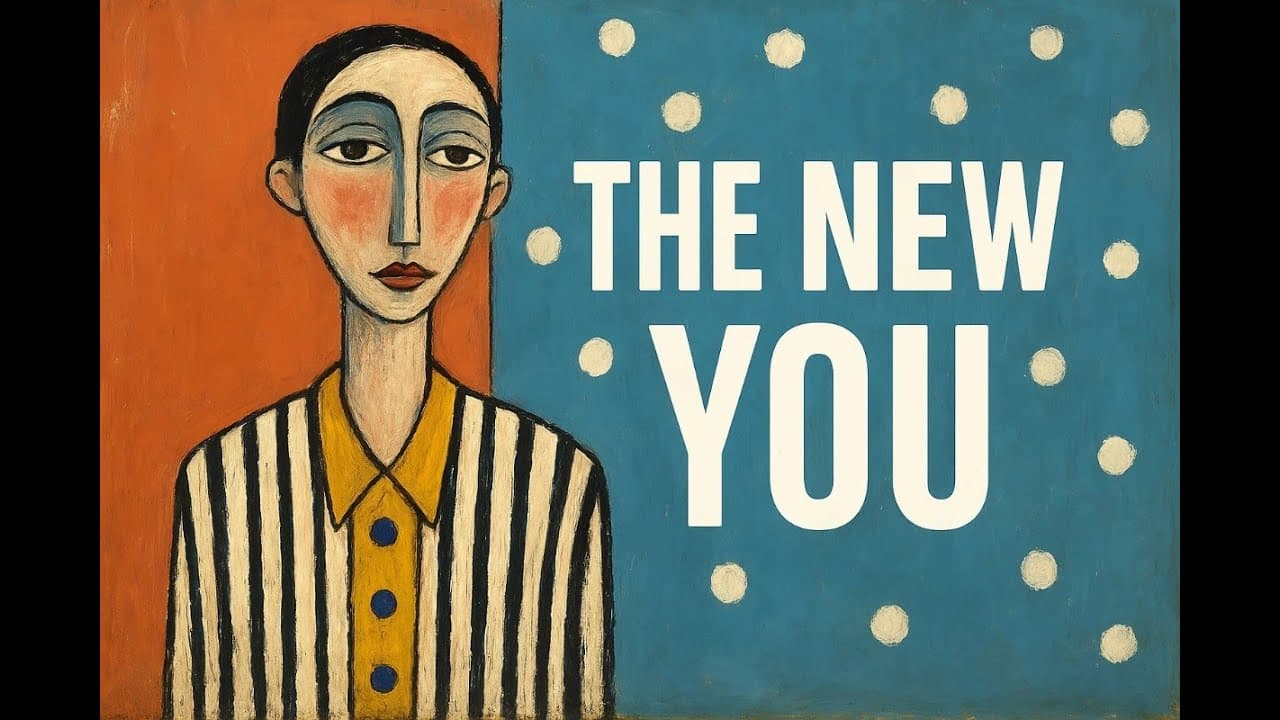
Self-transformation occurs by recognizing conditioned beliefs, challenging them, and developing a new self-concept that can sustain different behavior. Through neuroplasticity, consciously choosing, thinking, and acting differently forms new neural connections while old ones weaken. Because the process often cycles through progress, doubt, regression, clarity, and renewal, discomfort is presented as part of change rather than proof of failure. Read on to understand each psychological mechanism.
Transcript
[music] There's a moment in every person's life when they [music] look in the mirror and realize that the person staring back isn't exactly who they thought they'd be. Maybe it's not failure that haunts them, but a quiet sense that something fundamental has gone missing. A kind of disconnection between who they are and who they could become. That m... Read More
Key Insights
- Transformation starts internally with awareness and questioning of existing beliefs.
- Neuroplasticity allows the brain to rewire itself, forming new connections.
- Real change involves shifting identity, not just habits or behaviors.
- Radical honesty about one's current state is crucial for transformation.
- Emotional awareness helps in understanding and processing misaligned or unhealed aspects.
- Environmental design can support or hinder personal transformation.
- Beliefs shape physiological responses, affecting one's capacity for change.
- Transformation is an ongoing process of adaptation, not a single event.
Install to Summarize YouTube Videos and Get Transcripts
Explore YouTube Video Summarizer or Get YouTube Transcript Extractor
Questions & Answers
Q: How does self-transformation occur psychologically?
Self-transformation begins with awareness of the gap between who someone is and who they could become. By questioning conditioned beliefs and making different choices, the person starts reshaping both their self-concept and behavior. The transcript describes this as dismantling and rebuilding the mind rather than experiencing a single breakthrough.
Q: What role does neuroplasticity play in self-transformation?
Neuroplasticity is the brain’s ability to rewire itself in response to experiences and thoughts. Each time a person consciously challenges an old belief or behavior, new neural connections form while old ones weaken. Choosing, thinking, and acting differently therefore helps physically reshape the mind.
Q: Why must identity change before new behavior can last?
The mind tries to keep behavior consistent with a person’s existing sense of self. If someone adopts a new habit while still identifying as disorganized or bad with money, the brain may restore the old pattern. Redefining oneself as someone who cares for their environment or is learning to manage money makes the new behavior feel more natural and less forced.
Q: Why does personal growth feel uncomfortable?
Discomfort occurs when the brain is pushed beyond its familiar pathways and the old self begins losing control. The ego seeks stability, while psychological homeostasis tries to restore behavior that matches the established identity. The transcript therefore presents discomfort as part of transformation, not evidence of failure.
Q: How do therapy, journaling, and introspection support transformation?
Therapy, journaling, and introspection make unconscious beliefs and hidden patterns visible. These practices help a person observe the assumptions shaping their choices and sense of possibility. Once a hidden pattern is recognized, it loses much of its power to control behavior.
Q: What beliefs can prevent self-transformation?
Beliefs learned through family, culture, childhood, or early experiences can become invisible scripts that define what someone thinks is possible. Examples in the transcript include believing that one is not good enough, that people like oneself do not succeed, or that it is too late to start over. Transformation begins by noticing and questioning these psychological walls.
Q: Is self-transformation a linear process?
No, deep change is described as a cycle of progress, doubt, regression, clarity, and renewal. It can include a liminal phase between the former identity and the emerging one, marked by uncertainty and discomfort. That in-between period is presented as necessary because it creates room for change.
Q: How do Carl Jung and Abraham Maslow describe self-transformation?
Carl Jung described transformation as individuation, the integration of fragmented parts of the self into a unified whole. Abraham Maslow viewed it as a path toward self-actualization, in which a person gradually unfolds their full potential after basic needs are met. Both ideas frame transformation as an internal process of becoming more fully oneself.
Summary & Key Takeaways
-
Self-transformation is an internal process that begins with awareness and questioning of existing beliefs. It involves neuroplasticity, where the brain rewires itself, forming new connections while old ones weaken. The process requires shifting one's identity and integrating a new self-concept rather than merely changing habits.
-
Radical honesty and emotional awareness are essential for transformation. They help in understanding and processing misaligned or unhealed aspects of oneself. Environmental design plays a significant role in supporting or hindering personal growth, as it influences the neural wiring of the brain.
-
Beliefs have a physiological impact, affecting one's capacity for change. Transformation is not a single event but an ongoing process of adaptation. It involves living in alignment with one's current truth and evolving as new challenges and layers of awareness arise.
Read in Other Languages (beta)
Share This Summary 📚
Summarize YouTube Videos and Get Video Transcripts with 1-Click
Try YouTube Summary with ChatGPT & Claude or YouTube Transcript Generator
Explore More Summaries from Kee 📚





Summarize YouTube Videos and Get Video Transcripts with 1-Click
Try YouTube Summary with ChatGPT & Claude or YouTube Transcript Generator