Why Does Outgrowing Others Create Guilt and Grief?
TL;DR
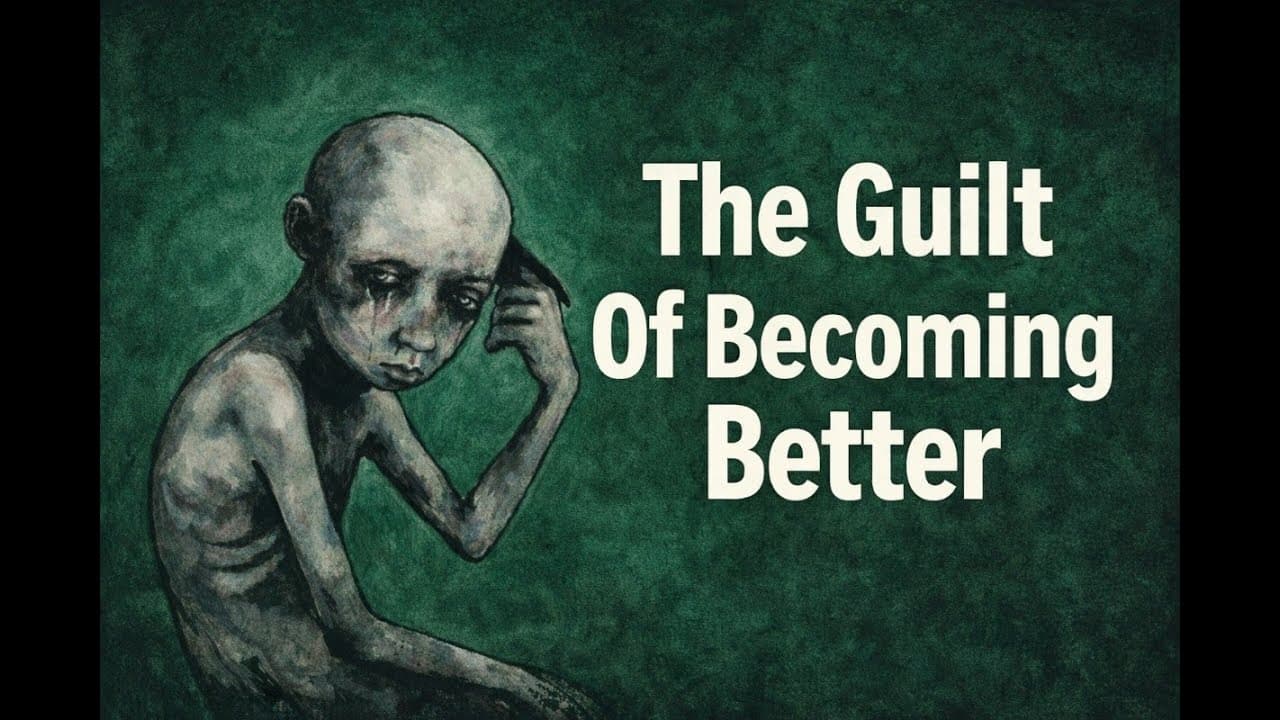
Outgrowing others creates guilt because personal growth can disrupt relationships that once provided belonging, familiarity, and emotional safety. As conversations, dreams, and priorities stop aligning, you may edit yourself or downplay your progress to preserve the old dynamic. Yet peace that requires self-betrayal only postpones grief and resentment. Read on to understand how to honor meaningful relationships without abandoning who you are becoming.
Transcript
[music] There is a quiet kind of pain nobody warns you about. It doesn't arrive with chaos or drama. It arrives slowly, almost politely. One day, you look around and realize the people who once felt like home now feel familiar, but distant. Not because anything went wrong, not because of a fight, but because something inside you changed. And the ha... Read More
Key Insights
- Outgrowing someone is a change in relational fit, not a declaration of superiority. A relationship may have been built around an earlier identity, shared struggle, or familiar emotional pattern that no longer matches the direction one person is taking.
- Growth creates separation by increasing awareness of patterns, behaviors, and emotional loops that previously seemed normal. A person can remain physically present while becoming emotionally distant because the old conversations, assumptions, and ways of relating no longer feel honest.
- The guilt of growth is connected to the human need for belonging. When personal development disrupts an established connection, the nervous system can experience the shift as a loss of safety, even when the mind understands that the change is necessary.
- The lonely transition between identities occurs when someone no longer belongs comfortably in old relationships but has not yet found relationships aligned with who they are becoming. This unsettled period can make improvement feel heavier and more isolating than expected.
- Self-betrayal occurs when someone suppresses dreams, edits important thoughts, or hides progress to keep others comfortable. Such behavior may preserve surface harmony temporarily, but it divides the person between authenticity and the demand to remain familiar.
- Invisible grief can arise without conflict, betrayal, or a clear ending. A person may mourn shared plans, inside jokes, expected futures, and a former version of themselves, while struggling to explain why a relationship that still technically exists feels lost.
- Resentment develops when loyalty is interpreted as an obligation to remain unchanged. Staying in an outgrown dynamic can gradually reduce attention, care, and emotional presence, which erodes love more deeply than an honest acceptance of different paths.
- Love does not always require proximity or constant access. Outgrowing someone can mean changing the form of love through acceptance without attachment, honoring meaningful memories while declining to force a future that no longer fits either person's direction.
Install to Summarize YouTube Videos and Get Transcripts
Explore YouTube Video Summarizer or Get YouTube Transcript Extractor
Questions & Answers
Q: Why do people feel guilty when they outgrow others?
People feel guilty because growth can create distance from relationships that once provided belonging and emotional safety. They may feel responsible for the silence and separation even when there was no fight or deliberate decision to leave anyone behind. The guilt reflects care and grief, not necessarily wrongdoing.
Q: What does it mean to outgrow a relationship?
Outgrowing a relationship means you are no longer the version of yourself that fit comfortably into its old dynamic. Conversations, dreams, priorities, or tolerated behaviors may no longer align. It does not mean you believe the other person is bad or inferior.
Q: Why can personal growth feel lonely even when life is improving?
Growth separates before it unites: you may no longer fit into old conversations but have not yet found people who match who you are becoming. This leaves you floating between an old identity and a new one. Improvement can therefore coexist with loneliness, uncertainty, and loss.
Q: How can you tell when loyalty has become self-betrayal?
Loyalty becomes self-betrayal when keeping the peace requires editing your thoughts, shrinking your dreams, or downplaying your progress. You may feel drained after conversations, misunderstood despite being heard, or unable to explain yourself honestly. The relationship’s familiarity is then being preserved at the cost of authenticity.
Q: Why do fading relationships cause invisible grief?
The grief is invisible because the relationship may change without betrayal, conflict, or a clear ending. You mourn shared futures, certain plans, inside jokes, aligned dreams, and the person you used to be within that bond. Nothing dramatic happened, but evolution still created a genuine loss.
Q: Should you make yourself smaller to preserve an old relationship?
No, because peace that requires self-betrayal is only postponement. Slowing your growth, hiding progress, or suppressing honest thoughts may preserve surface familiarity for a while, but the emotional cost eventually becomes too high. It can leave you drained and disconnected from yourself.
Q: Can you still love someone after outgrowing the relationship?
Yes, outgrowing someone does not require withdrawing love or deciding that you are better than them. You can honor what the relationship meant while accepting that its old dynamic no longer fits. Meaningful memories do not require both people to keep following the same path.
Q: How can someone release the guilt of outgrowing people?
Start by recognizing that the distance may be a consequence of growth rather than an act of cruelty. Accept that some relationships were built for a version of you that no longer exists, and stop treating familiarity as a reason to abandon yourself. The goal is to choose honesty and self-respect while still honoring the care and history you shared.
Summary & Key Takeaways
-
Personal growth can quietly create distance from people who once felt like home. Conversations become repetitive, dreams stop aligning, and self-expression becomes carefully edited. Although no conflict caused the separation, the growing person may feel responsible for every silence and shift, mistaking an evolving relationship dynamic for a personal betrayal.
-
The guilt feels powerful because connection represents emotional safety. When growth threatens belonging, the mind may recognize positive change while the body experiences loss. This tension can tempt someone to slow down, hide progress, or become smaller. However, peace maintained through self-betrayal only postpones an increasingly painful conflict between authenticity and attachment.
-
Accepting an outgrown relationship does not require withdrawing love or treating the other person as inferior. It requires acknowledging that history cannot sustain connection without shared direction. Memories can remain meaningful even when future paths diverge. Releasing guilt means honoring former relationships while refusing to let familiarity determine the person you become.
Read in Other Languages (beta)
Share This Summary 📚
Summarize YouTube Videos and Get Video Transcripts with 1-Click
Try YouTube Summary with ChatGPT & Claude or YouTube Transcript Generator
Explore More Summaries from Kee 📚




Summarize YouTube Videos and Get Video Transcripts with 1-Click
Try YouTube Summary with ChatGPT & Claude or YouTube Transcript Generator