The Psychology of People Who Don’t Post on Social Media: Why Do They Stay Silent?
TL;DR
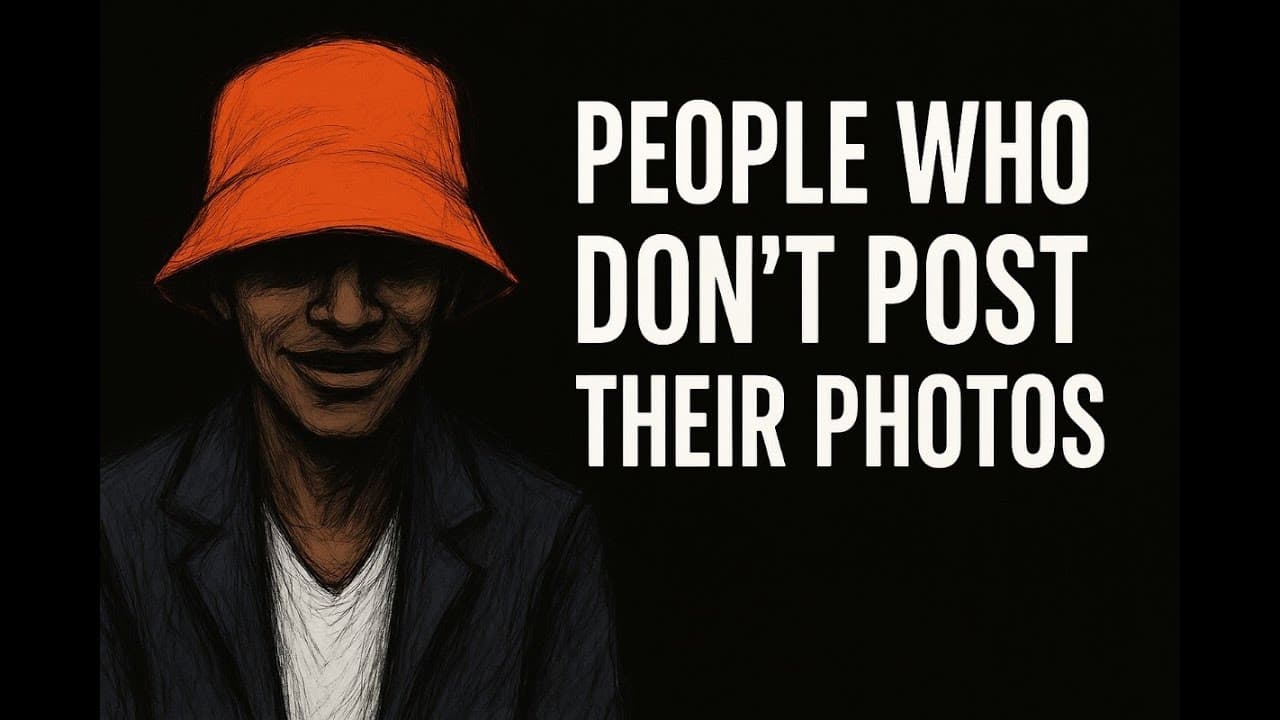
The psychology of people who don’t post on social media involves control, introspection, emotional independence, authenticity, and sometimes fear of judgment. Rather than reducing life to curated highlights, many non-posters protect private experiences and detach their worth from likes, shares, and external validation. Others retreat because visibility feels exhausting or risky. Read on to understand the different motives behind their digital silence.
Transcript
Let me tell you something strange about silence in the digital age. We live in a world where almost everything is shared. Birthdays, coffee cups, sunsets, tears, laughter, even pain dressed up with filters. Yet some people stay completely invisible. They scroll quietly, observe deeply, but rarely if ever post. You might even know someone like that.... Read More
Key Insights
- Silence on social media can be a form of control, allowing individuals to choose what remains private.
- People who don't post often have higher self-restraint and introspection, valuing emotional independence.
- The decision to not post is sometimes driven by a desire to detach self-worth from social media validation.
- Non-posters often seek authenticity, rejecting the performance aspect of social media.
- Psychological ownership is a key factor; sharing experiences online can diminish their personal significance.
- Social media can create a self-presentational pressure, leading some to retreat for mental well-being.
- Choosing not to post can be a rebellion against the dopamine-driven cycle of social media validation.
- Non-posters often experience life more fully, focusing on presence rather than performance.
Install to Summarize YouTube Videos and Get Transcripts
Explore YouTube Video Summarizer or Get YouTube Transcript Extractor
Questions & Answers
Q: What is the psychology of people who don’t post on social media?
People who don’t post on social media may value control, introspection, emotional independence, and authenticity. They often prefer experiencing moments privately instead of turning them into performances for validation, although some remain silent because they fear judgment, rejection, or misunderstanding.
Q: Why do some people choose not to post on social media?
Some people avoid posting because silence lets them control what others know about their lives. They may also want to protect meaningful experiences, escape pressure to perform, or avoid having their worth shaped by digital approval.
Q: Does not posting mean someone is shy, introverted, or antisocial?
Not necessarily. The transcript says shyness or introversion is not the full picture, and non-posting is not inherently anti-technology or antisocial. A person may still observe, feel deeply, and want genuine connection while choosing privacy over visibility.
Q: How is not posting connected to self-worth and validation?
Stopping or limiting posts can help people detach their worth from likes, shares, comments, and digital applause. Instead of asking an audience to approve their identity, they can experience moments for themselves and develop self-awareness that does not require spectators.
Q: What is psychological ownership on social media?
Psychological ownership is the feeling that a thought, memory, or experience belongs deeply to you. Posting can weaken that feeling by making the moment shared property that is open to judgment, misinterpretation, or mockery, so some people preserve ownership by keeping experiences private.
Q: Why can posting on social media cause emotional burnout?
Sharing beautiful moments can create pressure to keep surpassing previous posts and maintaining a staged identity. Some people eventually feel that they are performing rather than living, so they quietly disappear from the feed without making an announcement.
Q: What is self-presentational pressure on social media?
Self-presentational pressure is the constant awareness that other people may be watching and judging you. It can make users worry that their words will be misread or ignored, leading some to retreat because the cost of visibility feels too high.
Q: How do people experience life differently when they stop posting?
They may stop thinking in captions and begin enjoying experiences without photographing, tagging, or explaining them. This can restore attention to presence, meaning, imperfection, and private growth while reducing the urge to turn every moment into content.
Summary & Key Takeaways
-
Some individuals choose not to post on social media to maintain a sense of control over their personal lives. They value introspection and emotional independence, often scoring higher in these traits compared to frequent posters. This decision reflects a desire to detach self-worth from the validation typically sought in digital spaces.
-
Non-posters often seek authenticity in a world that equates visibility with value. Their silence is not emptiness but a form of self-preservation, allowing them to experience life without the pressures of social validation. They appreciate the depth and imperfection of real life, which is often lost in the performance-driven culture of social media.
-
The psychology behind non-posting includes concepts like psychological ownership and internal locus of control. By not sharing every moment, these individuals preserve the personal significance of their experiences. This choice can lead to greater emotional stability and life satisfaction, as they resist the dopamine-driven cycle of social media validation.
Read in Other Languages (beta)
Share This Summary 📚
Summarize YouTube Videos and Get Video Transcripts with 1-Click
Try YouTube Summary with ChatGPT & Claude or YouTube Transcript Generator
Explore More Summaries from Kee 📚


Summarize YouTube Videos and Get Video Transcripts with 1-Click
Try YouTube Summary with ChatGPT & Claude or YouTube Transcript Generator