How Does Childhood Emotional Neglect Affect Adults?
TL;DR
Childhood survival strategies can persist as adult perfectionism, avoidance, anxiety, overthinking, self-sacrifice, and guilt about resting. Healing begins by recognizing these patterns as adaptations rather than defects, grieving what was missing, listening to unprocessed emotions, and practicing self-compassion. By creating safety, setting boundaries, and offering yourself validation and care, you can reconnect with parts of yourself hidden during childhood.
Transcript
There's a strange kind of silence that follows you into adulthood. It's not the silence of peace. It's the silence of something missing. Something you can't quite name. It's there when you sit with people but feel like you're somewhere else entirely. It's there when you succeed and don't feel anything. When you fail and feel everything. That silenc... Read More
Key Insights
- Childhood adaptation is a survival response to the emotional environment. A child may become responsible, quiet, entertaining, invisible, or highly accomplished because that role appears safer or more likely to receive love than expressing authentic feelings and needs.
- Adult perfectionism and overachievement can represent attempts to earn missing love and validation. Achievement may provide temporary reassurance, but it cannot resolve emotional emptiness when the deeper need is to feel worthy, seen, safe, and accepted without having to perform.
- Emotional interruptions are experiences that could not be fully expressed or processed during childhood. According to the transcript, these suspended emotions recycle through adult triggers, making present criticism, rejection, silence, or disappointment feel connected to every earlier experience of inadequacy or abandonment.
- Protective habits can become adult limitations after their original purpose has passed. Emotional suppression may restrict joy, overachievement may make rest feel shameful, avoidance may block closeness, and habitual self-sacrifice may turn relationships into sources of exhaustion rather than mutual connection.
- Adult anxiety and emptiness are presented as signs of unfinished emotional development rather than evidence of being broken. The person is still attempting to complete an interrupted story and reconnect with qualities such as play, wonder, rest, creativity, self-forgiveness, and authentic self-expression.
- Healing begins with listening instead of outrunning the past. Productivity, relationships, distraction, scrolling, and constant noise cannot permanently fill an emotional absence, so the central task is identifying what the younger self needed and beginning to provide that care in the present.
- Self-compassion is a form of present-day care for the younger self. Allowing sadness, speaking gently, viewing old photographs without judgment, resting without guilt, and replacing shame with understanding create permission to feel and reduce the need to seek all validation from others.
- Reparenting is described as giving yourself the care, patience, validation, protection, and safety that were previously missing. It does not require rewriting history or blaming parents. It means using present agency to set boundaries, acknowledge emotions, and respond to distress with understanding rather than judgment.
Install to Summarize YouTube Videos and Get Transcripts
Explore YouTube Video Summarizer or Get YouTube Transcript Extractor
Questions & Answers
Q: How does childhood emotional neglect affect adults?
Childhood emotional neglect can shape adult habits, fears, relationships, and emotional reactions. A person may suppress feelings, anticipate rejection, avoid conflict, overthink, pursue perfection, or sacrifice personal needs because those strategies once preserved safety. Later, these same patterns can interfere with joy, rest, creativity, intimacy, and peace, even when the person's external life appears secure and successful.
Q: Why do childhood survival strategies continue into adulthood?
Childhood survival strategies continue because they were learned as ways to obtain love, reduce conflict, avoid rejection, or remain emotionally safe. A responsible child, quiet child, or family entertainer may carry that identity forward without recognizing its origin. The strategy becomes habitual, so the adult keeps reacting according to earlier conditions even when the present environment is safer.
Q: Why can small criticism or rejection feel overwhelming?
Small criticism or rejection can feel overwhelming because it may activate unprocessed experiences from childhood. The present event is not felt in isolation. It carries the emotional weight of earlier moments when the person felt unwanted, misunderstood, unsafe, or inadequate. The reaction may therefore seem larger than the immediate situation because an older emotional wound has been triggered alongside it.
Q: What are emotional interruptions from childhood?
Emotional interruptions are moments when a child's feelings, needs, or development could not be fully expressed or supported. The child may have been unable to cry, speak, make mistakes, seek comfort, or receive unconditional care. According to the transcript, these experiences remain suspended rather than disappearing, then reappear through adult fears, triggers, relationship patterns, and disproportionate emotional reactions.
Q: Why does achievement fail to resolve emotional emptiness?
Achievement may fail to resolve emotional emptiness because accomplishment is being used to pursue a different need, such as unconditional love, validation, safety, or worthiness. Success can prove competence, but it cannot recreate the acceptance that was missing in childhood. The person may therefore continue working and achieving while feeling disconnected, because the underlying need is emotional wholeness rather than greater performance.
Q: How can someone reconnect with their inner child?
Someone can reconnect with their inner child through small acts of attention and compassion. The transcript suggests writing a letter to the person they once were, looking at old photographs without judgment, permitting sadness, laughing freely, resting without guilt, and forgiving mistakes. Each act makes space for feelings and qualities that responsibility, expectation, fear, or self-judgment previously buried.
Q: What is reparenting and how does it support healing?
Reparenting means learning to give yourself the care that was missing earlier. It involves replacing the question, "What is wrong with me?" with an understanding that current feelings make sense in light of past experiences. Reparenting also includes patience, validation, emotional listening, boundaries, rest, and safety. It focuses on present responsibility without requiring blame or rewritten memories.
Q: Why can grief be an important part of childhood healing?
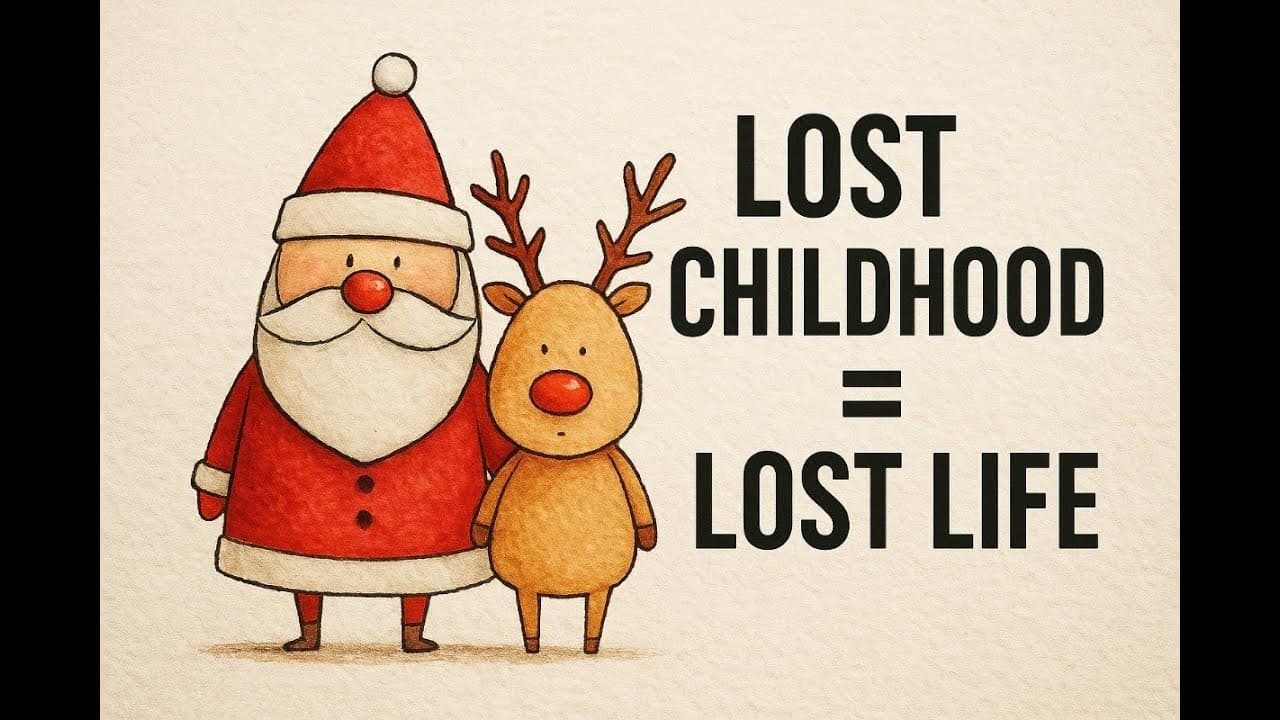
Grief is important because recognizing a lost childhood often reveals missed joy, silenced feelings, forgotten celebrations, and responsibilities assumed too early. Feeling sadness for those experiences means the adult is no longer abandoning the younger self. The transcript describes pain as evidence that previously suppressed emotions are finally being acknowledged, understood, and given the context they lacked when they first occurred.
Summary & Key Takeaways
-
Children adapt to their emotional environments by becoming responsible, invisible, entertaining, or otherwise acceptable to the people around them. These roles help preserve safety and connection, but they can require children to suppress authentic feelings and needs. In adulthood, the same protective roles may continue through anxiety, perfectionism, avoidance, and emotional disconnection.
-
Unprocessed childhood emotions can resurface through adult triggers. Rejection, criticism, silence, or disappointment may feel disproportionately painful because they echo earlier experiences of being unwanted, unsafe, or inadequate. The transcript frames these reactions as signs of interrupted emotional development, not personal brokenness, and argues that understanding their origins allows them to soften.
-
Healing involves grieving missed experiences, accepting the necessity of earlier adaptations, and offering yourself the care that was absent. Practices include writing to your younger self, viewing old photographs without judgment, allowing sadness, resting without guilt, setting boundaries, and changing self-criticism into understanding. The goal is participation, peace, authenticity, and emotional wholeness.
Read in Other Languages (beta)
Share This Summary 📚
Summarize YouTube Videos and Get Video Transcripts with 1-Click
Try YouTube Summary with ChatGPT & Claude or YouTube Transcript Generator
Explore More Summaries from Kee 📚





Summarize YouTube Videos and Get Video Transcripts with 1-Click
Try YouTube Summary with ChatGPT & Claude or YouTube Transcript Generator