How Flipkart and Amazon Compete in Indian E-Commerce
TL;DR
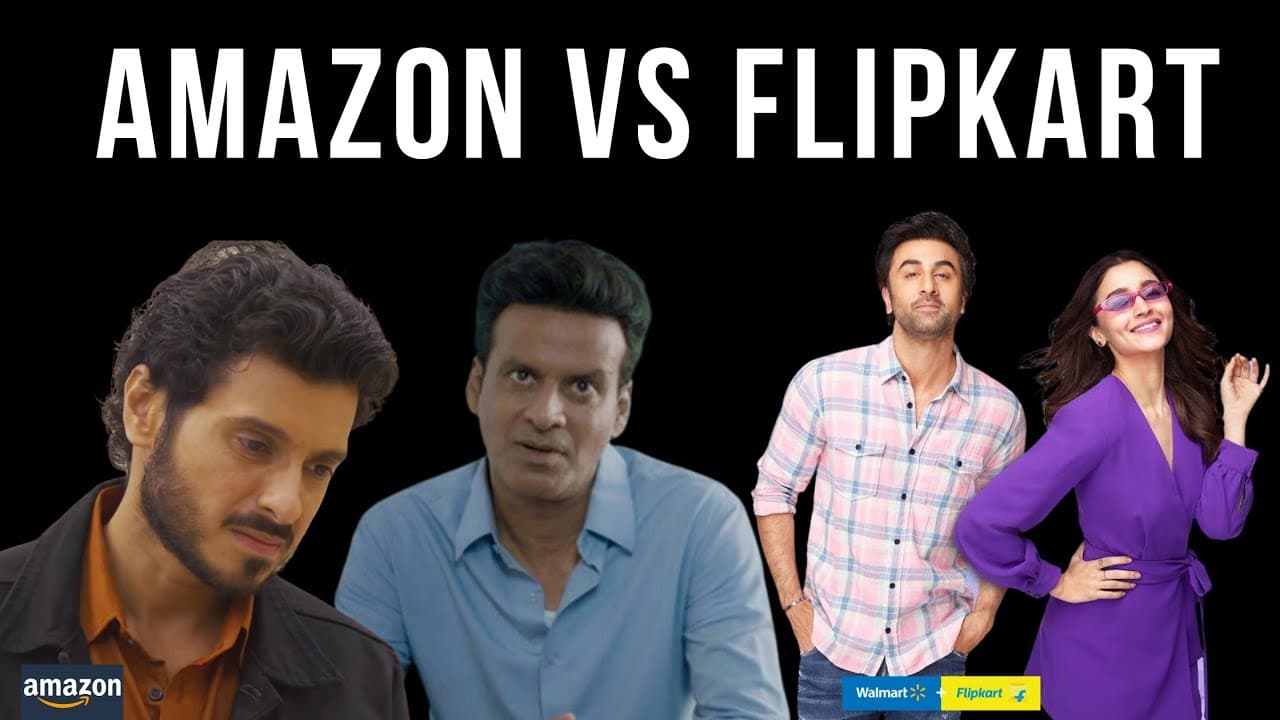
Amazon uses Prime to boost long term engagement, while Flipkart leverages tier 2 and 3 city growth plus a free to join Plus membership for students. The result is a battle focused on ecosystem depth, pricing strategies, and regionally targeted branding that shifts market shares over time. The key lessons show winning with accessible value and broad reach in emerging markets.
Transcript
hi everybody the Indian e-commerce Market is now witnessing the most intensive business War since its Inception while Amazon and flipcart seem to be the Undisputed kings in the battle as of now on the other side geomar and demart are now preparing to disrupt the market with their extensive and robust supply chain and just like any other business Wa... Read More
Key Insights
- Amazon Prime is a behavioral tool that increases customer lifetime value through habitual use and ecosystem lock in.
- Flipkart Plus is positioned as a costless loyalty accelerator for students, expanding access and loyalty across a broader base.
- Tier 2 and 3 city penetration is a decisive factor in market share growth against national level incumbents.
- Strategic product drops and timing around major sales events maximize customer inertia and purchases.
- Private labels and fashion dominance create defensible margins and cross category growth.
- Educational and entertainment content integration strengthens the value proposition of the ecosystem.
- Pricing must deliver an immediate perceived bargain to convert consumers to paid memberships.
- Competition hinges on building a holistic ecosystem beyond price alone
Install to Summarize YouTube Videos and Get Transcripts
Explore YouTube Video Summarizer or Get YouTube Transcript Extractor
Questions & Answers
Q: How does the S cost fallacy relate to Prime and Plus memberships in India
The S cost fallacy describes how paying for the right to use a service increases its perceived value and utilization. In India, Prime and Plus memberships create an ongoing commitment that nudges customers to choose the associated retailer even when competing options exist. This behavioral effect helps convert one time buyers into repeat customers who rely on Prime and Plus benefits for delivery speed, exclusive discounts, and entertainment content, thereby increasing long term spend and loyalty.
Q: Why did Flipkart outperform Amazon during Diwali despite Amazon Prime investments
Flipkart outperformed during the Diwali sale by leveraging three key factors: broad reach into tier 2 and 3 cities, a free Plus membership for students that lowers the barrier to purchase, and a strong presence in online fashion with a large market share. These factors created a loyal customer base in high growth segments and allowed Flipkart to capture a larger combined sale share during the period.
Q: What role do tier 2 and tier 3 cities play in this competition
Tier 2 and tier 3 cities are pivotal because they represent growth segments with expanding purchasing power and lower saturation. Investments in marketing and delivery efficiency in these cities translated into increased market share for Flipkart and shifted the competitive balance away from Prime heavy strategies focused on Tier 1 cities, enabling broader ecosystem adoption and repeat purchases across these regions.
Q: How does standup comedy content contribute to Prime strategy in India
Standup comedy content, released as Prime video specials, created a compelling price value proposition by pairing entertainment with practical benefits like faster deliveries. This content strategy helped justify the Prime cost to price sensitive Indian consumers, increasing perceived value and driving Prime signups while aligning with festive release timing to boost seasonal sales.
Q: What is the significance of the 2016 to 2018 Prime and standup strategy
The strategy shows how a low annual Prime price paired with valuable entertainment and delivery speed created a strong frictionless value proposition. The timing around Diwali, with popular content, helped convert even more customers into Prime members, leading to higher repeat purchases and a more entrenched customer base in both marketplaces.
Q: How does a private label strategy influence competition between the two platforms
Private label strategies help both platforms control margins, differentiate offerings, and improve supply chain resiliency. By investing in own brands, they can offer exclusive products and bundle deals, which increases customer stickiness and reduces price sensitivity, ultimately supporting long term profitability and market leadership.
Q: Why is fashion a critical battleground for Flipkart and Amazon in India
Fashion represents a high margin, high repeat category that drives frequent purchases and loyalty. Flipkart’s dominance in fashion with Mintra and Jabong gives it a clear consumer value proposition in a major segment, while Amazon seeks to compete by building an ecosystem that supports fashion through Prime benefits and a broad catalog, shaping competitive dynamics.
Q: What should business leaders learn from this Indian e-commerce rivalry
Leaders should learn to combine accessible pricing with a strong ecosystem that ties together entertainment, delivery, and loyalty programs. Expanding reach into underpenetrated markets, leveraging regional branding, and investing in data driven personalization can turn first time buyers into habitual customers, ultimately shaping market leadership in emerging economies.
Summary & Key Takeaways
-
Amazon and Flipkart compete by deploying subscription based incentives and tiered city penetration to capture long term customer value across India
-
Pricing strategies, like low cost Prime membership and free student Plus access, drive higher engagement and repeat purchases
-
Tier 2 and 3 city focus is crucial to expanding market share and outpacing rivals in a fragmented market
-
Branding investments in fashion and private labels help Flipkart maintain leadership in online fashion segments
-
Amazon focuses on Prime to foster a broader ecosystem including devices and content to lock customers in
-
Diwali and event based release strategies are used to maximize checkout conversions and loyalty
-
Both players push into logistics and private label spaces to build end to end customer experiences
-
The overall lesson is to design pricing and membership programs that convert trial users into loyal, high frequency buyers
Read in Other Languages (beta)
Share This Summary 📚
Summarize YouTube Videos and Get Video Transcripts with 1-Click
Try YouTube Summary with ChatGPT & Claude or YouTube Transcript Generator
Explore More Summaries from Think School 📚






Summarize YouTube Videos and Get Video Transcripts with 1-Click
Try YouTube Summary with ChatGPT & Claude or YouTube Transcript Generator