How to Stop Black and White Thinking to Reduce Reactivity
TL;DR
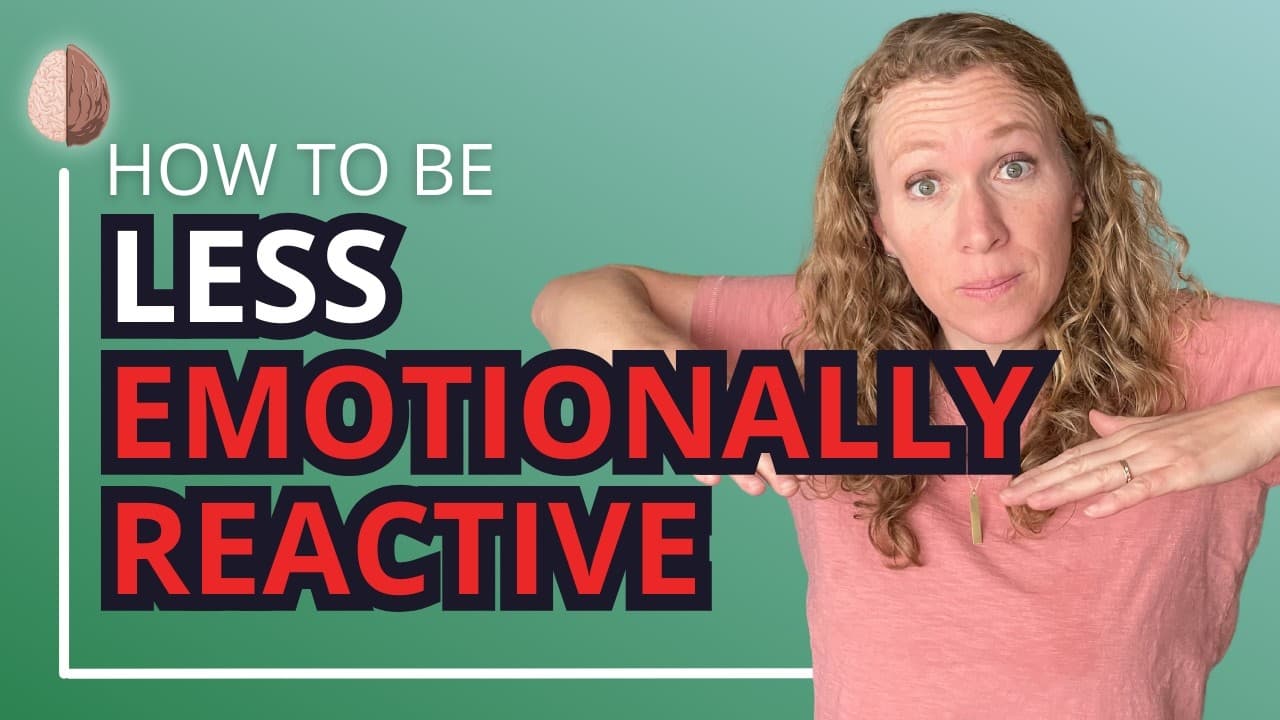
Emotional reactivity drops by roughly half when you stop black and white thinking, which exaggerates situations using words like always, never, terrible, or everything. This extreme thinking is a lie that distorts nuanced reality to excuse you from action. Replace it with honest, specific, both-and thinking that acknowledges the gray.
Transcript
if you can follow this one rule you'll probably decrease your emotional reactivity by half and this rule isn't about willpower it isn't about doing something that takes a ton of energy or effort it's a rule about being really freaking honest with yourself when it comes to emotional reactivity emotions are the match the initial source of ignitio... Read More
Key Insights
- Black and white thinking is taking a situation and framing it in the most extreme way possible, pushing out nuance. The Arbinger Institute calls these horribilizations, recognizable through words like always, never, perfect, terrible, everything, nobody, worst, or best.
- The more extreme your thinking, the more intense your emotions will be, and the more likely you are to become depressed or anxious. Black and white thinking also makes you feel helpless to escape that depression or anxiety.
- Black and white thinking serves short-term functions but causes long-term suffering like a drug. It justifies you, makes you feel like the good guy, and excuses you from effort, assertiveness, or the pain of trying and failing.
- Exaggerating how bad things are protects you from painful emotions like uncertainty and disappointment. It creates the idea that you are helpless, so you feel you need not act, shielding you from guilt or accountability.
- Black and white thinking is rooted in the fight, flight, freeze response. In danger, the brain shuts down nuance so we see enemies as sub-human, which historically helped ancestors make quick, decisive survival decisions.
- Naming an emotion honestly means saying I feel plus one emotion word, like I feel angry. Statements like I feel like you always attack me are lies and thoughts, not feelings, because they are exaggerated.
- Both-and thinking replaces extremes by holding two contradictory truths at once, such as my boss communicated poorly and he is trying hard to help the team. You can feel two emotions simultaneously and both can be true.
- Getting specific about one single situation lets you actually solve the problem. Instead of my boss is a terrible communicator, say my boss was not clear about the timeline, then request more clarity about deadlines next time.
Install to Summarize YouTube Videos and Get Transcripts
Explore YouTube Video Summarizer or Get YouTube Transcript Extractor
Questions & Answers
Q: What is black and white thinking?
Black and white thinking is when you take a situation and think about it in an extreme way, pushing out all the nuance and turning it into something as intense as possible. You can usually recognize it through words like always, never, perfect, terrible, everything, everyone, nothing, nobody, worst, or best. The Arbinger Institute calls these horribilizations, where you take something and horribilize it, exaggerating a difficult situation into something horrible.
Q: How does black and white thinking increase emotional reactivity?
Emotions are the match, the initial source of ignition, while how we think is like gasoline. Black and white thinking is especially explosive because the more extreme your thinking, the more intense your emotions will be. This makes you more likely to be depressed or anxious, and it also makes you feel helpless to escape that depression or anxiety because it distorts nuanced reality by ignoring the good and exaggerating the bad.
Q: Why do we use black and white thinking if it is harmful?
You subconsciously like black and white thinking because it serves a function in the short term, but like a drug it makes you suffer in the long run. It justifies you and makes you feel like the good guy by putting others down. It also excuses you from effort, assertiveness, and the difficulty or painful emotions of trying, studying, or failing, protecting you from uncertainty and disappointment while helping you avoid guilt or accountability.
Q: What is the connection between black and white thinking and the fight or flight response?
Black and white thinking is connected to fear and the fight, flight, freeze response. When we are in danger, this response shuts down nuance and options in the brain. For example, ancestors at war with another tribe would see the attacking tribe as sub-human and terrible, which made it simpler to fight back. In life-threatening situations this simplicity may help us make quick, decisive decisions and survive.
Q: How do you name an emotion honestly instead of using black and white thinking?
Say something like I feel followed by a single emotion word, such as I feel angry. You are not allowed to say things like I feel like you're making me angry, I feel like you always attack me, or I feel like you never take out the trash. Those are lies and thoughts, not feelings, because they are exaggerated. A true feeling statement is only three words: I feel plus the emotion word, which is honest.
Q: What is both-and thinking and how does it help?
Both-and thinking is an annoying but super effective skill where you use both-and instead of extreme thinking. You can feel two emotions at the same time and hold two nuanced truths that seem contradictory. For example, my boss did not communicate well and he is also trying really hard to help our team succeed. Or, I feel sad about my mother's death and relieved I no longer have to be her caretaker. Both parts can be true.
Q: How does being specific help solve emotional problems?
Being specific means speaking about one single situation with a less extreme word. Instead of saying my boss is a terrible communicator, you say my boss was not clear about her expectations for the timeline of this assignment. Instead of everything is awful, describe what specifically is awful. When we get specific, we can actually do something about the problem, such as telling your boss you need more clarity about deadlines next time.
Q: What are the steps to replace black and white thinking?
First, be honest and admit black and white thinking is a lie to excuse yourself. Second, notice your trigger words like always or never and write them on a Post-it, then take a deep breath. Third, name the emotion in three words. Fourth, reframe by speaking in the gray using both-and. Fifth, look for exceptions or be specific with less extreme words. Finally, check for your own accountability in the cycle. Working with a therapist can also help.
Summary & Key Takeaways
-
Emotional reactivity can be cut roughly in half by following one rule: being honest with yourself. Emotions are the match that ignites reactivity, but how we think is the gasoline. Black and white thinking, framing situations in extreme terms, is especially explosive and intensifies depression and anxiety.
-
This extreme thinking is a lie that distorts nuanced reality by ignoring the good and exaggerating the bad. We do it because it serves short-term functions: it justifies us, makes us feel like the good guy, and excuses us from the effort and painful emotions of taking action.
-
The remedy is honesty, then noticing trigger words like always and never, naming emotions in three words, reframing with both-and thinking, looking for exceptions and specifics, and checking your own accountability. Flexible, truthful perception lets extreme emotions, depression, and anxiety lift.
Read in Other Languages (beta)
Share This Summary 📚
Summarize YouTube Videos and Get Video Transcripts with 1-Click
Try YouTube Summary with ChatGPT & Claude or YouTube Transcript Generator
Explore More Summaries from Therapy in a Nutshell 📚



Summarize YouTube Videos and Get Video Transcripts with 1-Click
Try YouTube Summary with ChatGPT & Claude or YouTube Transcript Generator