How to Secure AI and Data for the Quantum Era
TL;DR
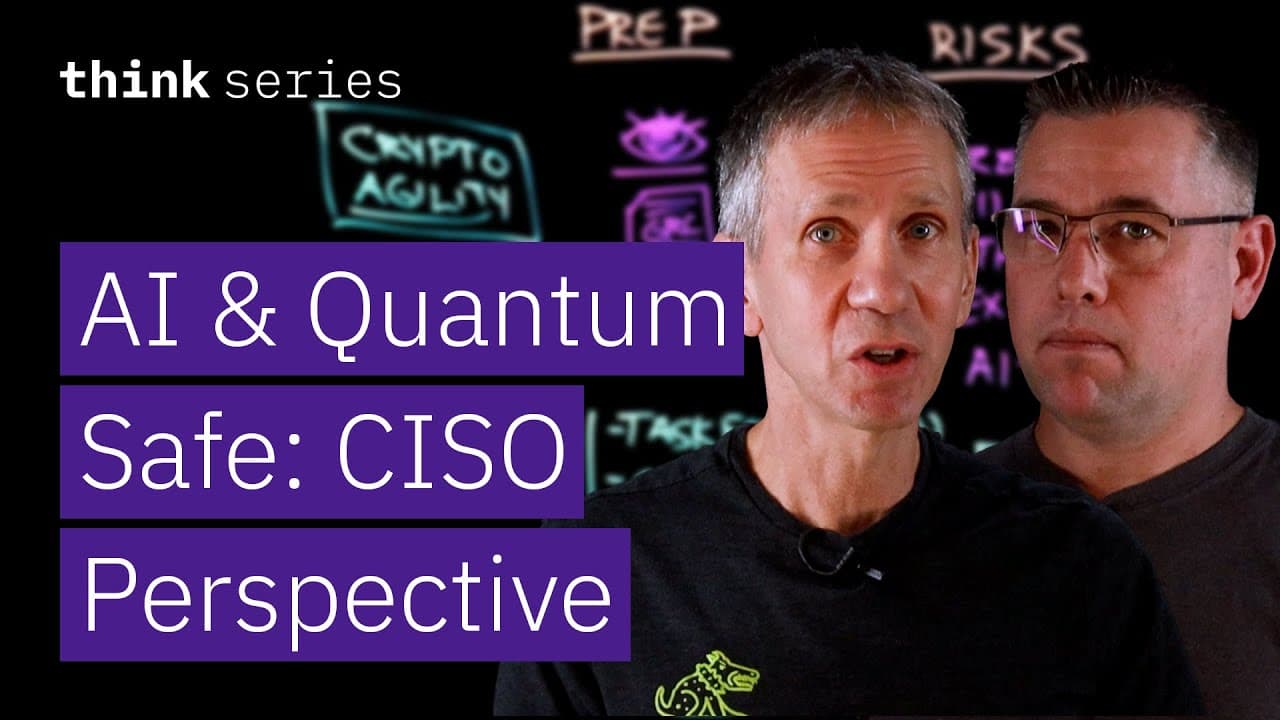
Agentic AI and quantum computing pose significant security risks, including data breaches and cryptography vulnerabilities. Organizations must implement ethical AI practices, ensure explainability, and prepare for post-quantum cryptography. Proactive measures like oversight committees and crypto agility are essential to mitigate these threats and protect sensitive information.
Transcript
Two of the most important trends in the world of technology these days are agentic AI and quantum computing. But both of these have the potential to revolutionize the way we work and live by giving us capabilities that used to be limited to the realm of sci-fi movies. Only now it's real. But there are security implications to each of these that we ... Read More
Key Insights
- Agentic AI can lead to data breaches, risking personal and intellectual property information.
- Ethical AI usage is crucial, requiring transparent and explainable decision-making processes.
- Quantum computing threatens current cryptographic methods, risking data confidentiality and integrity.
- Organizations should form oversight committees to govern AI and quantum technology use.
- Crypto agility allows for seamless updates to cryptography algorithms as new threats emerge.
- Proactive risk assessment and prioritization are essential for managing AI and quantum-related vulnerabilities.
- Vendor management ensures third-party compliance with quantum-safe cryptography standards.
- Training leadership and staff on these risks facilitates informed decision-making and resource allocation.
Install to Summarize YouTube Videos and Get Transcripts
Explore YouTube Video Summarizer or Get YouTube Transcript Extractor
Questions & Answers
Q: How does agentic AI pose security risks?
Agentic AI poses security risks by potentially leading to data breaches involving personal and intellectual property information. These AI systems operate autonomously, making decisions based on available data, which can be exploited if not properly governed. Ensuring ethical use and explainability of AI decision-making processes is crucial to mitigating these risks.
Q: What are the primary cybersecurity concerns with quantum computing?
Quantum computing raises significant cybersecurity concerns, particularly regarding data confidentiality and integrity. As quantum computers advance, they may break current cryptographic methods, exposing sensitive information. Organizations must prepare for post-quantum cryptography to safeguard data against future quantum threats, ensuring robust protection of confidential information.
Q: Why is ethical AI important in cybersecurity?
Ethical AI is important in cybersecurity to ensure that AI systems make decisions transparently and align with human values. Without ethical guidelines, AI can misuse data or make biased decisions, leading to security breaches. Implementing ethical AI practices helps maintain trust, protect sensitive information, and prevent potential misuse of AI technologies.
Q: What is crypto agility and why is it important?
Crypto agility is the ability to update cryptographic algorithms seamlessly as new threats or vulnerabilities are discovered. It is important because it allows organizations to adapt quickly to evolving security challenges, ensuring continuous protection of sensitive data. This flexibility is crucial in a landscape where cryptographic standards must evolve to counter emerging threats, such as those posed by quantum computing.
Q: How should organizations prepare for quantum-safe systems?
Organizations should prepare for quantum-safe systems by forming oversight committees to govern AI and quantum technology use, conducting risk assessments, and prioritizing vulnerabilities. They should also develop crypto agility, allowing for seamless updates to cryptographic algorithms. Engaging with vendors to ensure compliance with quantum-safe standards is essential for comprehensive cybersecurity preparedness.
Q: What role does vendor management play in quantum cybersecurity?
Vendor management plays a critical role in quantum cybersecurity by ensuring that third-party vendors comply with quantum-safe cryptography standards. Organizations must verify that their suppliers' technologies are equipped to handle quantum threats, maintaining the integrity and confidentiality of shared data. This proactive approach helps mitigate risks associated with external partnerships and data exchanges.
Q: Why is training leadership and staff important in cybersecurity?
Training leadership and staff is important in cybersecurity to ensure they understand the risks associated with emerging technologies, like AI and quantum computing. Informed personnel can make strategic decisions, allocate resources effectively, and implement security measures. Educating employees fosters a culture of security awareness, reducing the likelihood of breaches and enhancing organizational resilience.
Q: How can organizations prioritize AI and quantum-related vulnerabilities?
Organizations can prioritize AI and quantum-related vulnerabilities by conducting comprehensive risk assessments and evaluating the potential impact on sensitive data, such as PII, PHI, and intellectual property. By identifying high-risk areas, they can allocate resources effectively, focusing on critical vulnerabilities first. This strategic approach ensures efficient deployment of security measures, enhancing overall protection.
Summary & Key Takeaways
-
Agentic AI and quantum computing introduce new cybersecurity challenges, such as data breaches and compromised cryptography. Organizations must adopt ethical AI practices, ensuring transparency and explainability in decision-making. Preparing for post-quantum cryptography is crucial to protect sensitive data from future threats.
-
Establishing oversight committees and promoting crypto agility are vital strategies for managing AI and quantum risks. These measures help organizations adapt to evolving threats, ensuring that cryptographic methods can be updated seamlessly as new vulnerabilities are discovered.
-
Effective risk management involves proactive assessment and prioritization of AI and quantum-related vulnerabilities. Training leadership and staff on these risks enables informed decision-making, ensuring adequate resource allocation to mitigate potential threats and protect sensitive information.
Read in Other Languages (beta)
Share This Summary 📚
Summarize YouTube Videos and Get Video Transcripts with 1-Click
Try YouTube Summary with ChatGPT & Claude or YouTube Transcript Generator
Explore More Summaries from IBM Technology 📚



Summarize YouTube Videos and Get Video Transcripts with 1-Click
Try YouTube Summary with ChatGPT & Claude or YouTube Transcript Generator