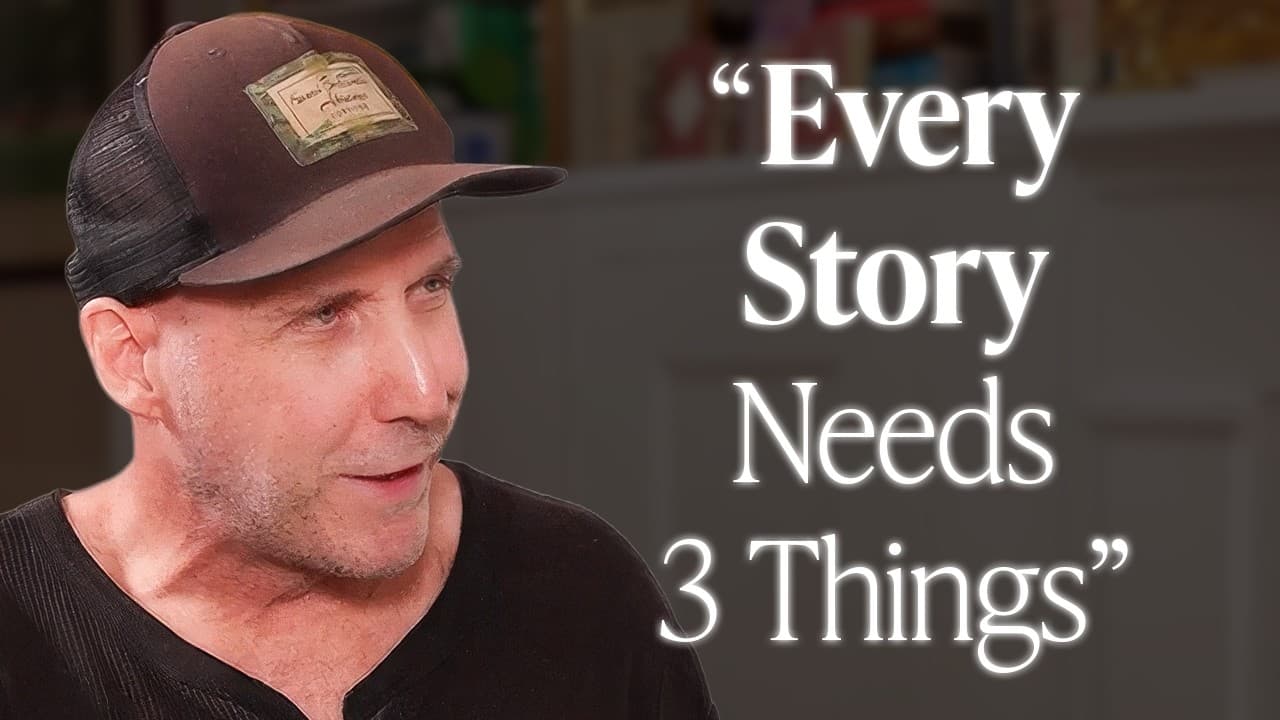
How to write Pixar style stories with Michael Arndt
TL;DR
Pixar’s success comes from a combined strong process and collaborative culture. The company uses an iterative, audience tested system, breaks the story into sequences for production, and gives directors final creative authority while the team supports the process. This method enables rapid feedback and continuous improvement of the story.
Transcript
Michael Art, the Academy Award-winning screenwriter, is on the show today to teach us how to write great stories. We started the conversation, talked about his time at Pixar, and I said, "Michael, you worked on movies like Toy Story 3. What is it about the DNA of Pixar that has made them so successful for so long?" And then we talked about Little M... Read More
Key Insights
- Pixar combines a robust system with the right people to sustain long term storytelling success.
- The iterative process at Pixar includes multiple drafts and reels before final animation, enabling rapid feedback and improvement.
- Brain trust meetings are inclusive, non hierarchical, and empower the director to choose which ideas to use.
- Breakdown of film into 20–30 sequences helps track progress and ensure each segment connects to the next.
- Directors hold the final creative authority while the team contributes ideas to support the story.
- Audience testing is central at Pixar, with tests expanding from small groups to larger audiences over time.
- There is a culture of fearlessness at Pixar, encouraging trying and failing quickly to learn.
- Good storytelling at Pixar is about structure, collaboration and an iterative, testable approach to scene writing and editing.
Install to Summarize YouTube Videos and Get Transcripts
Explore YouTube Video Summarizer or Get YouTube Transcript Extractor
Questions & Answers
Q: How does Pixar approach the structure of a story during development
Pixar structures its films by breaking the story into multiple sequences, typically five or six per act, to create a clear progression from setup to midpoint to resolution. This helps ensure each sequence drives the plot forward and aligns with the overall narrative arc. The approach is production oriented, providing a roadmap for writers and directors to collaborate effectively.
Q: What role do brain trust meetings play at Pixar
Brain trust meetings are collaborative sessions where a large group of experienced creators review a script and propose ideas. The director uses these ideas to shape the story, choosing which suggestions to incorporate. The environment is non hierarchical and focused on collective improvement rather than credit for individual contributions.
Q: How does the team balance nurturing with high expectations at Pixar
Pixar balances nurturing with high expectations by offering a democratic process that supports the director while maintaining rigorous iteration. It provides time and safety to fail fast, alongside clear milestones and screenings. This combination helps creators stay motivated and productive without feeling crushed by pressure.
Q: What makes a good team dynamic at Pixar according to the interview
A good team dynamic at Pixar is non hierarchical, democratic, and focused on the best idea rather than ego. The director holds final creative authority, but the group contributes ideas freely, creating an environment where fresh perspectives can improve the story. This balance sustains creativity over long projects.
Q: What is the origin of a key character or scene explained in the interview
An example discussed is the origin of a new character that required a team off site to rework a draft. A large group of people who know the characters well contributed to refining the scene, allowing the story to benefit from diverse insights. This illustrates how Pixar leverages collective expertise to solve problems.
Q: Why is the first act crucial in Pixar storytelling
The first act is crucial because it sets up the core premise, stakes, and character goals. A strong first act guides subsequent sequences and ensures the audience understands the world and the protagonist. It anchors the narrative and sets expectations for emotional and plot progression.
Q: How does Pixar use audience feedback in development
Pixar uses audience feedback by screening early versions of films to different groups, starting with smaller tests and expanding to wider audiences. Feedback from these screenings informs revisions, helps identify which jokes land, and reveals where the story may need tightening or restructuring before final animation.
Q: What does the interview say about when to trust the process
The interview suggests trusting the process means accepting that some parts of the story are not yet working early in development. It emphasizes patience, allowing time for ideas to mature through multiple drafts and screenings, with the understanding that the process will lead to a stronger final film.
Summary & Key Takeaways
-
Brad scene breakdown and iteration are used to manage complexity and align the team around a clear structure.
-
The director has final say in creative decisions, while the group generates ideas in a non hierarchical, democratic brain trust.
-
Audience testing and phased screenings help identify which jokes or sequences work before final animation.
Read in Other Languages (beta)
Share This Summary 📚
Summarize YouTube Videos and Get Video Transcripts with 1-Click
Try YouTube Summary with ChatGPT & Claude or YouTube Transcript Generator
Explore More Summaries from David Perell 📚


Summarize YouTube Videos and Get Video Transcripts with 1-Click
Try YouTube Summary with ChatGPT & Claude or YouTube Transcript Generator