How to Build Client Trust With a YouTube Video
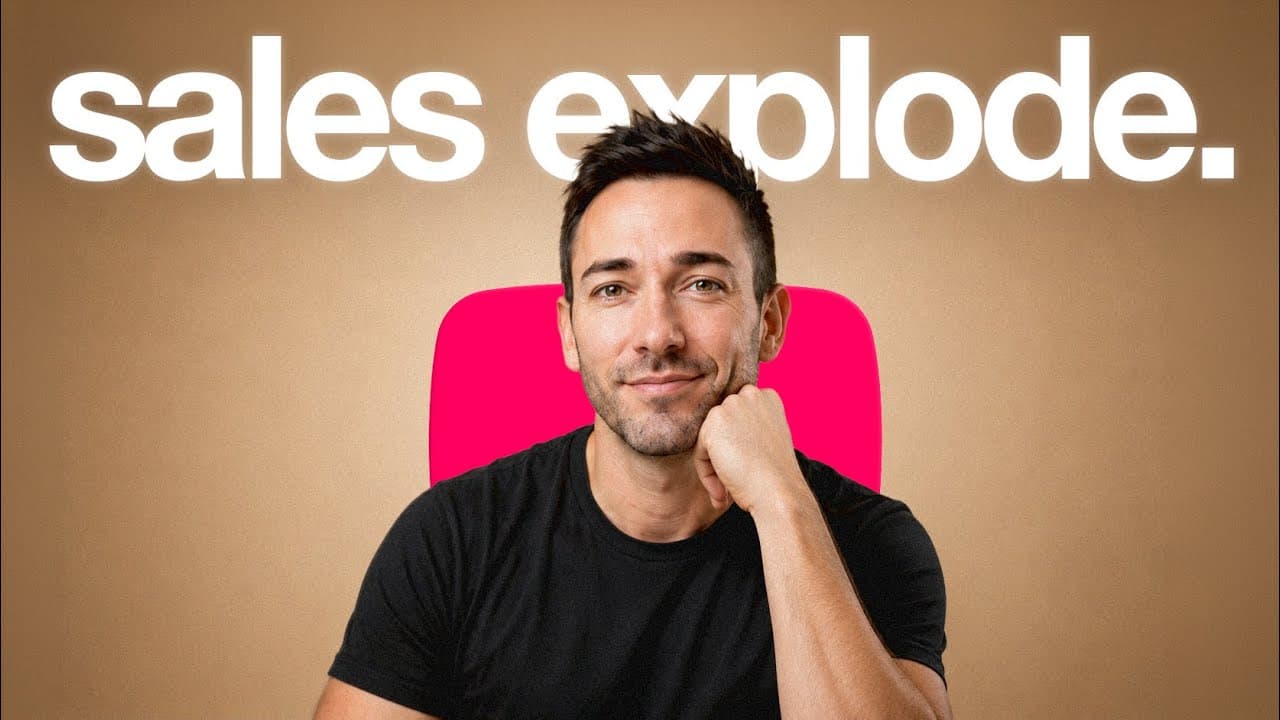
TL;DR
Use a four-part BOND video structure: make a compelling promise, describe the obstacle that produced your insight, share practical nuggets of wisdom, and direct viewers toward a clear next step. Combining implied credibility with honest vulnerability can help qualified viewers trust your judgment and consider working with you after a single focused video.
Transcript
There's a style of YouTube video that can compress months of trust building into a single 10-minute watch. The right viewer finishes one of these and they already feel a bond with you. More importantly, they're already thinking about how they can work with you. So, if you're a brand new or really small channel struggling to get the right viewers to... Read More
Key Insights
- The BOND structure is a four-part format that uses a big promise, an obstacle, nuggets of wisdom, and direction to create trust with prospective clients during a single focused YouTube video.
- The opening is responsible for making one clear, valuable promise that gives viewers a reason to stay until the end because leaving would mean missing useful shortcuts derived from genuine professional experience.
- An emotional hook works by making viewers feel curiosity or tension before asking them to process an explanation, while details about real professional activity can establish credibility without an explicit list of qualifications.
- The obstacle is a specific professional or personal experience that forced the creator to learn the lessons being shared, allowing viewers to observe an honest struggle instead of hearing a polished description of expertise.
- Effective vulnerability requires prior credibility because an established professional admitting a mistake can appear honest and experienced, while an unknown person discussing failure without context may simply seem unqualified.
- A trustworthy obstacle story contains concrete details, meaningful stakes, and an unflattering admission about where the creator was wrong, naive, or overwhelmed, without becoming sanitized or turning into a prolonged appeal for sympathy.
- The nuggets section contains approximately five to ten lessons that came directly from the obstacle, with each lesson framed around what the viewer needs to know, do, or understand rather than what the creator learned.
- The final direction is a short verbal invitation that tells viewers how to receive help implementing the lessons, using the same conversational tone as the rest of the video instead of shifting into a heavy sales pitch.
- More videos from this channel:
- More from this channel: Wes McDowell
Install to Summarize YouTube Videos and Get Transcripts
Explore YouTube Video Summarizer or Get YouTube Transcript Extractor
Questions & Answers
Q: What is the BOND YouTube video framework?
The BOND framework is a four-part video structure intended to build trust with prospective clients. It begins with a big promise, continues with an obstacle that reveals a meaningful experience, presents nuggets of wisdom derived from that experience, and ends with direction toward a clear next step. The sections work together to demonstrate both credibility and practical wisdom.
Q: How should a client-attracting YouTube video begin?
A client-attracting video should begin with an emotional hook, implied credibility, and one strong promise. The hook creates curiosity or emotional weight, while professional details inside the hook quietly show that the creator has relevant experience. The promise then states what viewers will understand or gain by staying, especially the shortcuts that can help them avoid similar mistakes.
Q: Why should credibility be implied in the opening?
Implied credibility tells viewers that the creator operates at a meaningful professional level without interrupting the story to announce qualifications. A dermatologist referring to an early year of practice or a public relations professional mentioning a campaign communicates relevant experience naturally. That foundation later makes an honest admission of failure feel trustworthy rather than simply exposing an inexperienced stranger's mistake.
Q: How do you choose the right obstacle for a BOND video?
Start with the practical lessons you want viewers to receive, particularly the things you now know but wish you had understood sooner. Then work backward and identify the moment, experience, or period that forced you to learn them. The obstacle does not need to be a severe crisis. An ordinary professional mistake, poor decision, or misguided phase can work.
Q: What details make an obstacle story trustworthy?
A trustworthy obstacle story includes specificity, genuine stakes, and an unflattering admission. Specificity can involve real details, numbers, timing, or what someone said. Stakes clarify what could have been lost and what caused fear. The unflattering portion identifies where the creator was wrong, naive, or overwhelmed, showing an honest experience instead of a polished, sanitized success story.
Q: Why can vulnerability fail to build client trust?
Vulnerability can fail when it lacks an established foundation of credibility or when the story becomes excessively negative. A sanitized account offers nothing real for viewers to connect with, but a prolonged pity-focused account can repel people seeking capable help. The recommended balance is to show a qualified person honestly acknowledging a mistake and explaining the wisdom that resulted from it.
Q: How should the nuggets of wisdom be presented?
The nuggets section should present roughly five to ten lessons that arose directly from the obstacle. Each lesson should focus on what viewers need to know, do, or understand, rather than merely documenting what the creator learned. Lessons can be delivered as a straightforward list, with brief supporting stories added to one or two points when they improve understanding.
Q: How should a BOND video invite viewers to become clients?
The closing should give viewers a clear, concise verbal next step. The creator can say they would like to help viewers implement the lessons and avoid the problems described, then direct them to a link for arranging a conversation. The invitation should maintain the video's established tone and feel like opening a door for an interested viewer, not launching a separate pitch.
Summary & Key Takeaways
-
The BOND format is designed to compress trust building into one focused video. It combines a strong opening promise, a credible personal obstacle, useful lessons, and a concise invitation to work together. Omitting any section can weaken the connection, even when the individual lessons and stories are valuable.
-
The opening should create emotion, establish credibility indirectly, and promise a useful outcome. The obstacle then reveals the specific experience behind the lessons, including real details, meaningful stakes, and an unflattering mistake. Credibility established earlier helps this vulnerability appear honest and trustworthy instead of merely negative.
-
The nuggets section converts personal experience into five to ten viewer-focused lessons, while the final section gives interested viewers a direct next step. The lessons should emphasize what viewers need to know, do, or understand. The closing invitation should remain brief and use the same conversational tone as the rest of the video.
Read in Other Languages (beta)
Share This Summary 📚
Summarize YouTube Videos and Get Video Transcripts with 1-Click
Try YouTube Summary with ChatGPT & Claude or YouTube Transcript Generator
Explore More Summaries from Wes McDowell 📚

Summarize YouTube Videos and Get Video Transcripts with 1-Click
Try YouTube Summary with ChatGPT & Claude or YouTube Transcript Generator