How did India build cricket dominance and wealth from poverty
TL;DR
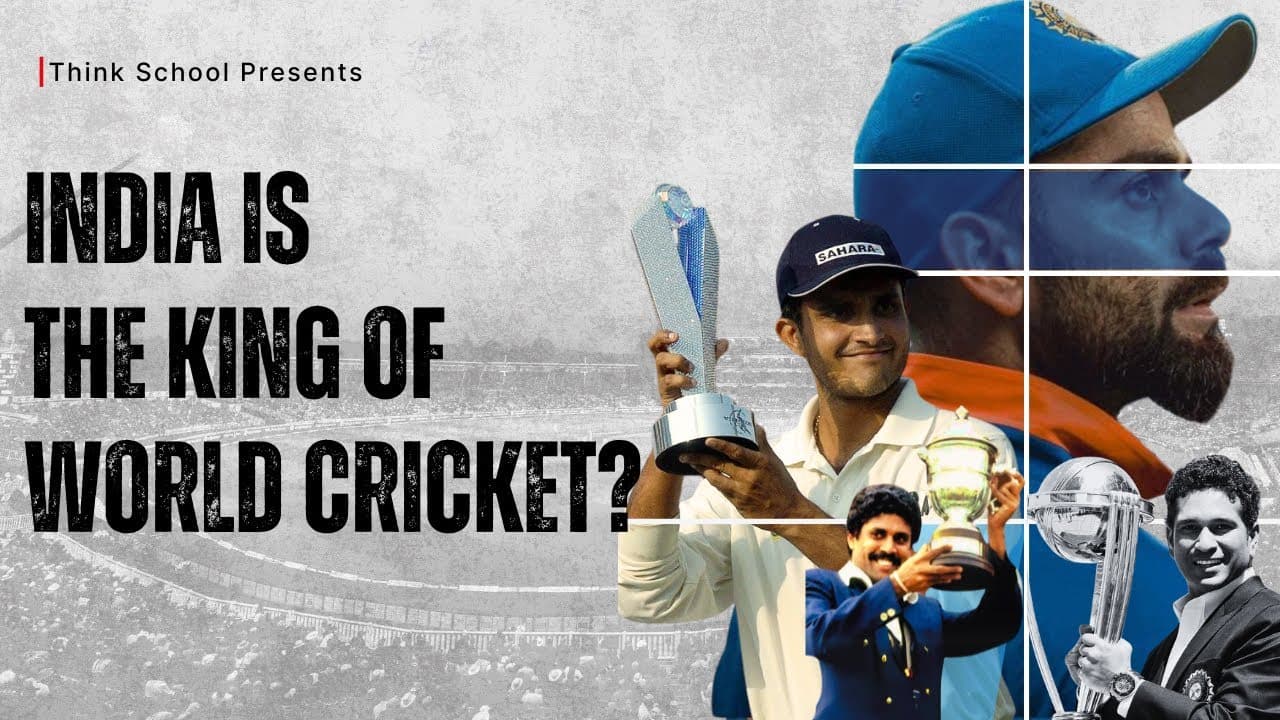
India rose from being treated as beggars to becoming the richest cricket body. The turnaround began with strategic influence, hosting opportunities, and rising revenues that shifted power in world cricket. The journey shows how funding, governance, and domestic success transformed the sport for India.
Transcript
hi everybody India Today is the Undisputed champion of world cricket 12E dought ended for the men in blue wa everything you want is right here there's not a man that I fear there's nobody here that can stop me champion in a league of my own [Applause] kid R shas's captaincy has seen the team achieve Great Heights in recent years India in fact becom... Read More
Key Insights
- India started from poverty and humiliation in international cricket but eventually gained control of global cricket finances.
- The leadership of figures like Jagmohan Dalmiya helped India win hosting rights for major tournaments, accelerating revenue growth.
- BCCI shifted from struggling federation to the richest cricket body, earning multi crores and influencing governance worldwide.
- The 1983 World Cup victory marked a cultural and financial turning point inspiring broader Indian investment in cricket.
- Hosting international events was a strategic lever to elevate India’s status in world cricket.
- Economic growth in cricket relies on revenue streams from broadcasting, sponsorship, and domestic cricket ecosystem.
- The story demonstrates how national sport bodies can become economic powerhouses through organized governance.
- India uses its market size and strategic decisions to shape global cricket economics.
Install to Summarize YouTube Videos and Get Transcripts
Explore YouTube Video Summarizer or Get YouTube Transcript Extractor
Questions & Answers
Q: A real search query about the video: How did India go from beggars to the king of world cricket
India transitioned from severe financial hardship to dominance by building a powerful governing body, winning hosting rights, and expanding revenue from international cricket. Key steps included leveraging leadership to gain influence, investing in domestic cricket, and creating a business model that attracted sponsors and broadcasters. This shift allowed India to control a large share of global cricket income and shape the sport’s economics.
Q: What role did the 1983 World Cup win play in India’s cricket rise
The 1983 World Cup victory served as a catalyst for change, proving India could win on the world stage against odds. It inspired national pride, motivated investment in cricket infrastructure, and validated the idea that Indian players could achieve global success. This win helped elevate cricket as a major national enterprise and attracted more support for growing revenue streams.
Q: How did Indian cricketers fare in early tours compared to today
Early tours were marked by severe hardship, including being treated as second class and receiving minimal allowances. Players traveled in cargo ships and faced food scarcity, which contrasted with English and Australian teams enjoying luxury. This harsh beginning underscored the dramatic improvement in conditions and compensation that followed India’s rise to cricket power.
Q: Why was hosting World Cups important for the BCCI
Hosting World Cups provided a critical platform to showcase India’s organizational capability and to attract global attention and sponsorship. It allowed the BCCI to demonstrate its capacity to manage large events, negotiate favorable broadcasting deals, and secure significant revenue streams. This strategy helped transform the BCCI into a leading financial force in world cricket.
Q: What financial milestones marked India’s cricket transformation
A milestone was the BCCI earning substantially more revenue than major boards from England, Australia, and Pakistan collectively, signaling the shift in power. The growth in domestic and international sponsorship, broadcasting rights, and prize money collection also marked the transformation from a struggling federation to a wealthier, influential governing body.
Q: Who was instrumental in changing India’s cricket fortunes
Jagmohan Dalmiya played a pivotal role by driving the move to host World Cups and by pushing for higher governance standards within international cricket. His leadership helped position India as a central player in cricket governance and catalyzed the expansion of revenue streams and global influence for Indian cricket.
Q: What lesson does India’s cricket rise offer about sports governance
The rise shows that strong governance, strategic event hosting, and a focus on revenue generation can overturn historic disadvantages. By building a robust domestic structure, securing hosting opportunities, and leveraging market size, a national federation can transform itself into a dominant global player with substantial financial and political influence.
Q: How does today’s BCCI revenue compare to other boards according to the video
According to the video, the BCCI earned substantially more revenue than many other boards, including England, Australia, and Pakistan combined. This indicates a massive shift in financial power within world cricket, driven by India’s large market, effective governance, and continual growth of domestic and international cricket activities.
Summary & Key Takeaways
-
India faced extreme financial hardship and humiliation in early years, including half a pound weekly allowances and cargo ship travel.
-
The turning point came with leadership that secured hosting rights and expanded revenue, making BCCI the dominant force in world cricket.
-
Today, BCCI controls a large share of global cricket income, reshaping the sport and proving how strategic governance can redefine a nation’s place in international sport.
Read in Other Languages (beta)
Share This Summary 📚
Summarize YouTube Videos and Get Video Transcripts with 1-Click
Try YouTube Summary with ChatGPT & Claude or YouTube Transcript Generator
Explore More Summaries from Think School 📚






Summarize YouTube Videos and Get Video Transcripts with 1-Click
Try YouTube Summary with ChatGPT & Claude or YouTube Transcript Generator