How to Trade High-Probability Order Blocks
TL;DR
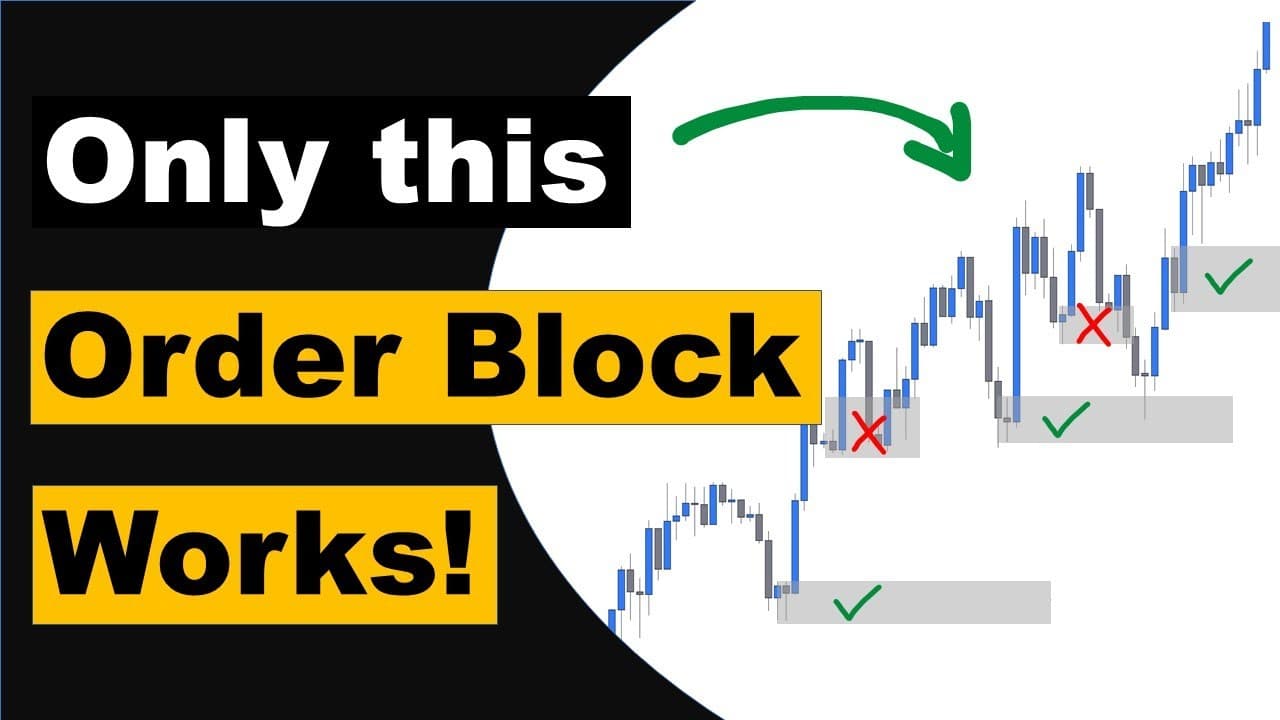
Order blocks are key areas for executing trades, but their success depends on specific conditions. High-quality order blocks occur when inefficiencies, structure breaks, and unmitigated zones align. Backtesting reveals a 43% win rate, yet profits were achieved by targeting a 2:1 reward-to-risk ratio, emphasizing the importance of market conditions and proper strategy execution.
Transcript
hey guys and welcome to another episode order blocks are considered interesting areas to execute trading opportunities but do you know why some of the order blocks work perfectly fine While others get ignored by the market to answer this question we back tested more than 100 order blocks under different conditions to find out the characteristics of... Read More
Key Insights
- Order blocks are areas where significant trading decisions are made, often marked by inefficiencies in the market.
- High-quality order blocks must create inefficiencies, break structures, and remain unmitigated for optimal trading opportunities.
- Backtesting 100 order blocks showed a 43% win rate, demonstrating that even a sub-50% success rate can yield profits with proper risk management.
- Market conditions such as volatility and trend direction significantly impact the effectiveness of order block trading strategies.
- Fresh order blocks in trending markets have a higher success rate compared to those in ranging markets.
- Confirmation in lower time frames is crucial to avoid unnecessary losses and improve trade confidence.
- Volatility is critical; most successful trades occur during high-volatility periods like the London and New York sessions.
- Using confirmation patterns such as changes in character and retracement levels enhances the probability of successful trades.
Install to Summarize YouTube Videos and Get Transcripts
Explore YouTube Video Summarizer or Get YouTube Transcript Extractor
Questions & Answers
Q: How to identify a high-quality order block?
A high-quality order block is identified by its ability to create market inefficiencies, lead to a break of structure, and remain unmitigated. These blocks are more likely to be respected by the market, providing better trading opportunities. Additionally, fresh order blocks in trending markets and those confirmed in lower time frames are more effective.
Q: What conditions improve the success rate of order block trades?
The success rate of order block trades improves under conditions of high market volatility, trending markets, and when trades are confirmed on lower time frames. Fresh order blocks that align with the dominant market trend and occur during high-volatility sessions, such as the London and New York sessions, are particularly effective.
Q: Why is confirmation on lower time frames important in order block trading?
Confirmation on lower time frames is crucial in order block trading as it helps avoid unnecessary losses by providing additional validation for trade entries. It enhances trade confidence by ensuring that the market is reacting as expected to the identified order block, thus increasing the likelihood of a successful trade.
Q: What role does market volatility play in order block trading?
Market volatility plays a significant role in order block trading as it affects the likelihood of trades reaching their targets. High volatility increases the chances of price movements that respect order blocks, making trades more likely to succeed. Most successful trades occur during high-volatility periods, such as the London and New York sessions.
Q: How does backtesting help in refining order block trading strategies?
Backtesting helps refine order block trading strategies by providing insights into the effectiveness of specific conditions and setups over historical data. It allows traders to identify patterns, test risk management strategies, and understand the impact of market conditions on trade outcomes, ultimately leading to more informed and confident trading decisions.
Q: What is the significance of a 2:1 reward-to-risk ratio in order block trading?
A 2:1 reward-to-risk ratio is significant in order block trading as it ensures that even with a win rate below 50%, the strategy remains profitable. This ratio means that the potential profit from a successful trade is twice the potential loss, allowing traders to achieve positive returns over time despite a lower success rate.
Q: Why are fresh order blocks more effective in trading?
Fresh order blocks are more effective in trading because they reflect recent market activity and are more likely to align with the current market trend. As the market constantly changes, older order blocks may become less relevant, while fresh order blocks provide more reliable areas for executing trades based on current supply and demand dynamics.
Q: How do changes in character and retracement levels aid in order block trading?
Changes in character and retracement levels aid in order block trading by providing additional confirmation for trade entries. A change in character signals a potential shift in market direction, while retracement levels offer precise entry points within the order block. Together, they enhance the probability of successful trades by aligning entries with market structure and momentum.
Summary & Key Takeaways
-
Order blocks are essential areas for executing trades, identified by inefficiencies, structure breaks, and unmitigated zones. Successful trading involves using fresh order blocks in trending markets and confirming trades on lower time frames. Backtesting results showed a 43% win rate, but profits were achieved by maintaining a 2:1 reward-to-risk ratio.
-
Trading order blocks requires understanding market structure, volatility, and trends. High-quality order blocks occur when inefficiencies and structure breaks align. Backtesting revealed that trades during high-volatility sessions had higher success rates, emphasizing the importance of market conditions and strategic execution.
-
Order block trading strategies benefit from fresh order blocks in trending markets and confirmation patterns like character changes. Despite a 43% win rate in backtesting, the strategy was profitable due to a 2:1 reward-to-risk ratio, highlighting the role of risk management and market conditions in successful trading.
Read in Other Languages (beta)
Share This Summary 📚
Summarize YouTube Videos and Get Video Transcripts with 1-Click
Try YouTube Summary with ChatGPT & Claude or YouTube Transcript Generator
Explore More Summaries from Smart Risk 📚


Summarize YouTube Videos and Get Video Transcripts with 1-Click
Try YouTube Summary with ChatGPT & Claude or YouTube Transcript Generator