What is India's 4F food crisis and Jaishankar warning?
TL;DR
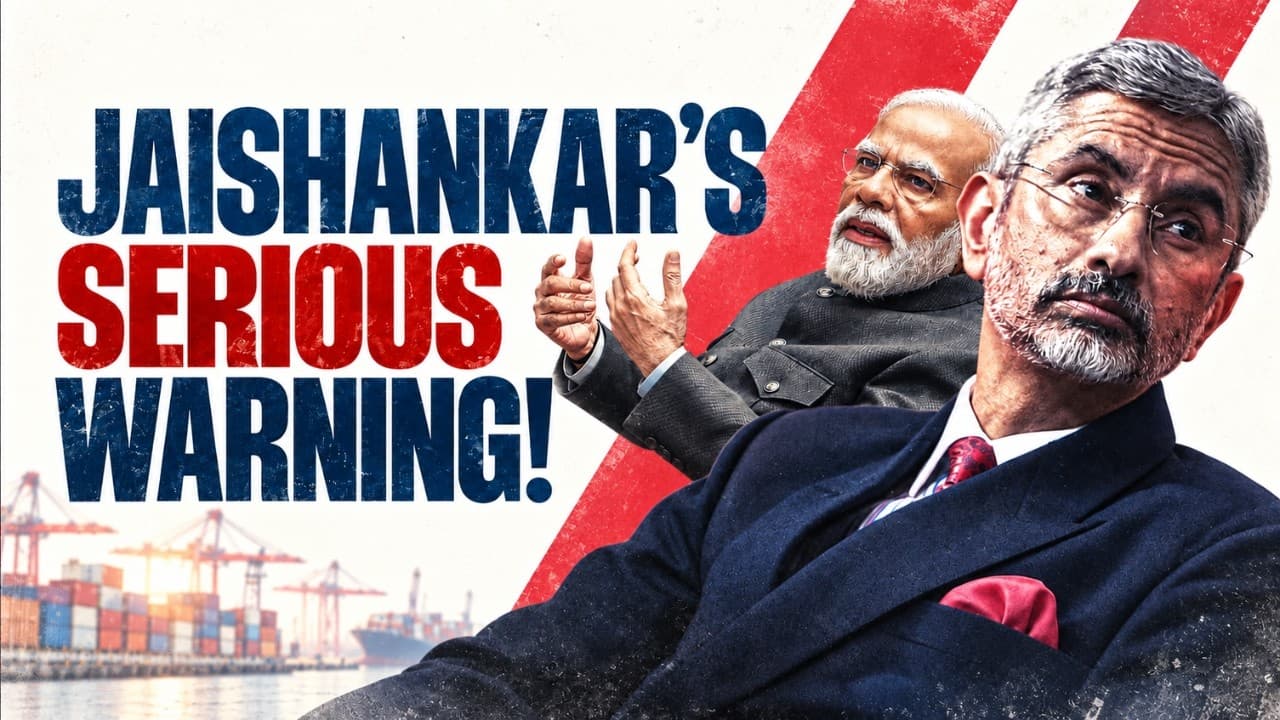
Jaishankar warns of a looming 4F crisis affecting fuel, food, fertilizer, and finance, driven by global and domestic factors. India has diversified oil sources but faces weak reserves and subsidy burdens, while monsoon shortfalls threaten food supply and inflation. The crisis could shrink consumer demand and slow growth if prices rise sharply.
Transcript
There is going to be a major food crisis probably you know in the coming months. >> People in October 1965 India was facing a crisis. We had just fought a war with Pakistan and the prime minister of India made a request to the nation that no prime minister should ever have to make. [music] Lal Badu Shastri asked every Indian to give up one meal a w... Read More
Key Insights
- 4F crisis defined as fuel, food, fertilizer, and finance, shaping the Indian macro outlook.
- Strategic petroleum reserves are limited to 9.5 days, creating a risk if crude supply stops.
- India diversifies oil imports to 41 nations to avoid single point failures.
- Fertilizer subsidies are large, with URA subsidy around 1.1 lakh crores, bleeding the economy.
- Food security is mixed: rice and grain stock is high, but dependence on imported pulses and oil remains.
- Monsoon shortfalls raise food price pressures and could reduce availability of perishable items.
- Rising food costs consume a large share of rural and urban budgets, impacting demand for other goods.
- Finance risk centers on investor flight to safe assets during crises, pressuring domestic markets.
Install to Summarize YouTube Videos and Get Transcripts
Explore YouTube Video Summarizer or Get YouTube Transcript Extractor
Questions & Answers
Q: What is the 4F framework mentioned by Jaishankar and why does it matter?
The 4F framework refers to fuel, food, fertilizer, and finance, four critical inputs for the Indian economy. Each F affects different levers of growth: fuel costs influence transportation and manufacturing, food prices affect household consumption, fertilizer affordability impacts agricultural output, and finance shapes investment and currency stability. Together they signal how shocks can slow growth and raise inflation while shaping policy responses.
Q: How prepared is India for a fuel shock according to the video?
India has diversified its oil imports from 27 to 41 nations, reducing reliance on a single source and lowering the risk of a supply choke. However, strategic petroleum reserves are limited to about 9.5 days of oil, which creates vulnerability if supply is disrupted. This gap means a shock could rapidly affect prices and availability.
Q: What role do fertilizer subsidies play in the economy according to the transcript?
Fertilizer subsidies are historically large and costly, with the government subsidizing URA bags and also bearing distribution costs. The subsidy burden reaches around 1.1 lakh crores, which crowds out spending on education and healthcare. This dynamic can hinder long term investment in infrastructure and development while keeping farmers dependent on government support.
Q: Why do food prices matter more in India than in China or the US, as discussed?
In India food consumes a large portion of rural and urban household budgets, nearly half in rural areas and about 40% in urban areas. This makes consumers highly sensitive to price changes, so spikes in rice, dal, and cooking oil directly reduce discretionary spending and dampen overall demand, potentially slowing macro growth.
Q: What is the danger linked to monsoon variability for India’s food security?
Monsoon shortfalls reduce the supply of staples and perishable commodities, increasing prices and tightening availability. The video notes that several states faced drought, which elevates risk for crops like onions, tomatoes, and greens, compounding inflation and pressuring households that rely on affordable staples.
Q: How does the video describe the impact of food inflation on the broader economy?
Food inflation reduces real income for the bottom billion and compresses spending on clothing, shoes, and durable goods. As households cut back, demand for non food sectors slows, which can drag down overall economic activity, particularly in consumer dependent sectors and small businesses.
Q: What historical reference is used to frame current concerns, and what lesson might it imply?
The video references the 1965 crisis when India faced severe food shortages and urged sacrifices like skipping meals. The lesson implied is that early warning signs and proactive policy measures are crucial to prevent a similar downturn, highlighting the need for strategic reserves, diversified imports, and effective subsidy and distribution policies.
Q: What personal anecdote or phrase is mentioned at the end of the video regarding a future insight?
The narrative promises to reveal a sentence spoken by Indira Gandhi in 1966 after a US president's call, described as pivotal for India’s future. While the exact quote is not provided in the transcript, the promise signals a continuing focus on how diplomatic and policy decisions shape vulnerability and resilience in the years ahead.
Summary & Key Takeaways
-
India holds ample grain but faces vulnerability in cooking oil and pulses, while logistics and subsidies drain resources and risk inflation. The 4F framework highlights how fuel, fertilizer, and food shortages could ripple through prices and growth. Finance risks worsen as investors seek safety, impacting funding for development.
-
Oil imports have diversified away from a single chokepoint but strategic reserves remain small, creating exposure to supply shocks. Fertilizer subsidies mask underlying inefficiencies and expose a fiscal pressure point if imports tighten. Food price volatility due to monsoon deviations could lower household purchasing power and demand for non essential goods.
-
Rising food costs threaten rural and urban households and could slow overall economic activity. The video links age old lessons from 1965 to present, drawing attention to governance, storage, distribution, and strategic policy choices needed to derisk the economy.
Read in Other Languages (beta)
Share This Summary 📚
Summarize YouTube Videos and Get Video Transcripts with 1-Click
Try YouTube Summary with ChatGPT & Claude or YouTube Transcript Generator
Explore More Summaries from Think School 📚






Summarize YouTube Videos and Get Video Transcripts with 1-Click
Try YouTube Summary with ChatGPT & Claude or YouTube Transcript Generator