How to think like a genius with 8 critical habits
TL;DR
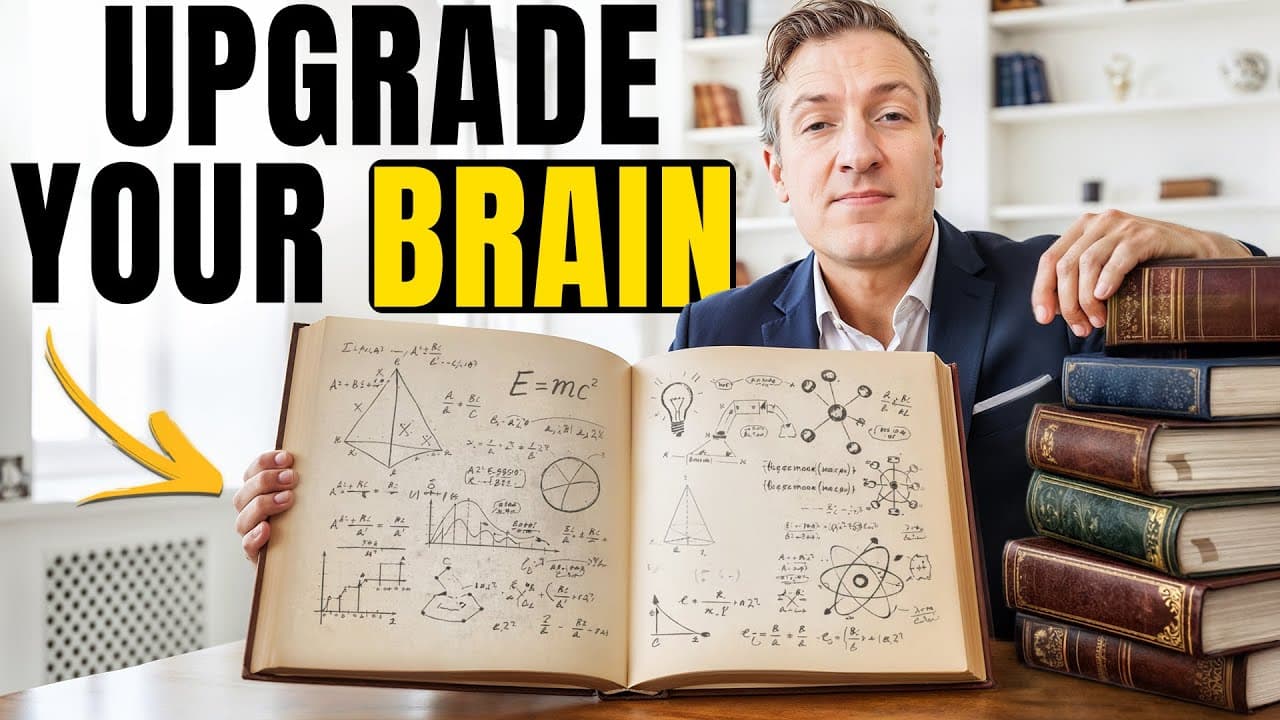
Metacognition is the key habit, enabling you to monitor your own thinking and catch when confidence outpaces understanding. Reframing shows how framing changes decisions even when facts stay the same. The eight habits combine to improve reasoning, openness to new evidence, and structured problem solving, helping you outperform many in daily thinking and decision making.
Transcript
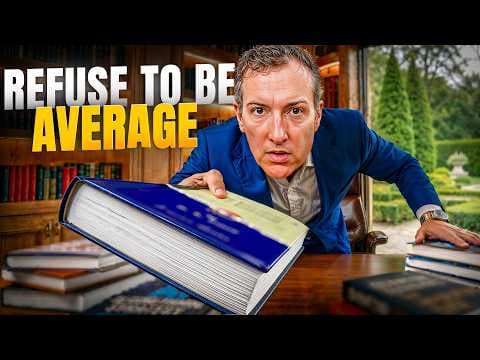
When people refer to someone as a genius, they usually point to outcomes, brilliant ideas, correct answers, impressive achievements. But what they almost never examine is the thinking process that produces those outcomes. Over more than 13 years as a peer-reviewed scholar and educator, I've worked with hundreds of students. And one book that does a... Read More
Key Insights
- Metacognition is the practice of monitoring your own thinking to avoid overconfidence and shallow understanding.
- Reframing demonstrates how the same facts can lead to different decisions depending on presentation.
- Deductive and inductive reasoning require separating validity from truth to avoid biased judgments.
- Argument analysis teaches identifying conclusions, premises, assumptions, and counterarguments.
- Actively open minded thinking asks what evidence would change your mind to boost intellectual honesty.
- Hypothesis testing cautions against inferring causation from coincidence through competing explanations.
- Rational decision making uses pre-mortems to anticipate failure and reduce overconfidence.
- Problem solving and creativity show that changing problem representation can reveal new solutions.
- More videos from this channel:
- More from this channel: Stephen Petro
Install to Summarize YouTube Videos and Get Transcripts
Explore YouTube Video Summarizer or Get YouTube Transcript Extractor
Questions & Answers
Q: How can metacognition improve everyday thinking?
Metacognition improves everyday thinking by teaching you to pause and ask critical questions like what evidence would support or challenge a belief, and whether you can explain why something is true. This habit reduces confidence without understanding and helps you spot gaps in reasoning before acting, leading to better judgments in real life.
Q: What is reframing and why does it matter in decision making?
Reframing matters because the same facts can lead to different decisions depending on how they are described. By recognizing framing effects, you can strip away emotional bias and approach choices with a clearer understanding of the underlying logic, making your decisions more robust across different presentations.
Q: What does the wasten selection task illustrate about reasoning?
The wasten selection task shows that people tend to seek confirming evidence rather than disconfirming evidence, and that reasoning is highly context dependent. It demonstrates why training to test the rule with only necessary information improves accuracy and highlights the danger of relying on intuition in unfamiliar contexts.
Q: How does argument analysis help reduce disagreements?
Argument analysis helps reduce disagreements by forcing you to surface conclusions, premises, and hidden assumptions, and to consider counterarguments. By rewriting discussions as clean arguments, you can see where others rely on unstated beliefs, which clarifies disagreements and helps resolve them more constructively.
Q: Why is actively open minded thinking emphasized in this framework?
Actively open minded thinking is emphasized because many reasoning errors come from defensiveness and confirmation bias. The key practice is asking what evidence would change your mind, and performing a disconfirmation check to ensure your belief would withstand new information, thereby increasing intellectual honesty and adaptability.
Q: What is the danger of assuming causation from coincidence?
Assuming causation from coincidence is dangerous because vivid, memorable events can mislead you into attributing a cause when none exists. Hypothesis testing and considering alternative explanations help disentangle correlation from true causation, improving your ability to make correct inferences from data.
Q: How does rational decision making use pre-mortems?
Pre-mortems in rational decision making involve imagining a decision failing months later and listing all the reasons for failure. This exercise surfaces hidden risks, reduces overconfidence, and helps plan more robust strategies, making outcomes more resilient against unforeseen problems.
Q: What role does problem solving and creativity play in thinking like a genius?
Problem solving and creativity focus on how changing the representation of a problem can reveal new solutions. By reframing goals, constraints, or viewpoints, you can unlock innovative approaches to persistent issues, turning stubborn problems into solvable ones through systematic experimentation.
Summary & Key Takeaways
-
Summary point 1: The video explains that genius is not just about outcomes but the thinking process behind them, highlighting metacognition as the first habit to monitor and regulate one's own thinking. It uses real experiments like the fluency effect to illustrate why confidence can mislead understanding.
-
Summary point 2: Reframing is presented as a powerful tool that can alter choices by changing how information is described, with the Asian disease problem used as a classic demonstration. This shows language and framing can override raw math, guiding decisions by presentation as much as by fact.
-
Summary point 3: The eight habits are designed to work together to improve critical thinking, from argument analysis and open mindedness to hypothesis testing and creative problem solving, with practical drills and exercises that readers can apply to real world situations.
Read in Other Languages (beta)
Share This Summary 📚
Summarize YouTube Videos and Get Video Transcripts with 1-Click
Try YouTube Summary with ChatGPT & Claude or YouTube Transcript Generator
Explore More Summaries from Stephen Petro 📚


Summarize YouTube Videos and Get Video Transcripts with 1-Click
Try YouTube Summary with ChatGPT & Claude or YouTube Transcript Generator