How to lead with AI and manage change effectively
TL;DR
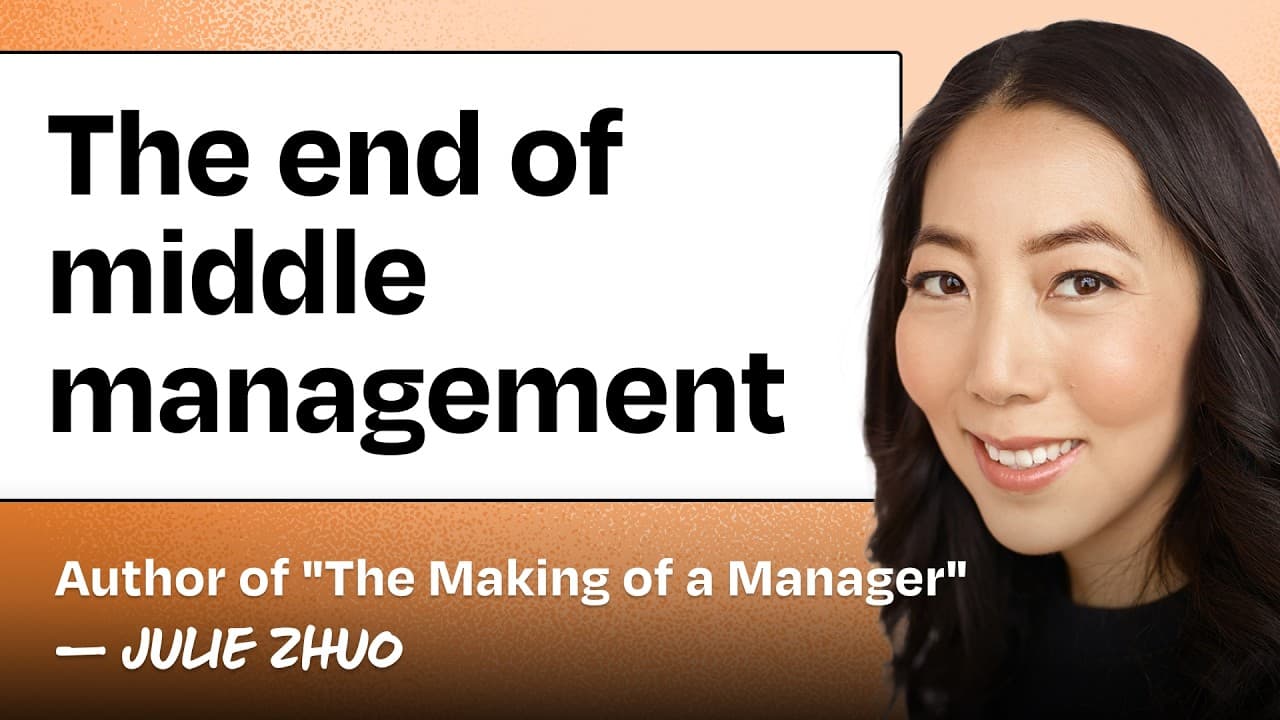
Effective leadership now blends a clear north star with flexible processes and the right mix of talent and AI tools. Management is about achieving an outcome, using resources wisely, and aligning purpose with the team’s talents. Diagnose with data, treat with design, and assemble the right tools to reach the goal.
Transcript
We're seeing this kind of flattening of orgs. Everyone's becoming an IC again. It used to be, okay, I don't have the skills to do 10 different jobs, but now with AI allows me to do many of those jobs myself. We need to dissolve the boundaries of these traditional roles and call ourselves builders. I'd love for us to get to the world where that's th... Read More
Key Insights
- A manager’s job is to achieve an outcome with a north star and available resources.
- Management combines purpose, people, and process to drive effective work
- AI tools redefine how resources are allocated, requiring flexible planning and tool selection
- Diagnose with data but treat with design, using data to inform decisions while designing solutions
- The rise of AI agents means many will perform managerial like tasks, requiring adaptable leadership
- Effective feedback hinges on practical, direct scripts and a humane approach to difficult conversations
- Hypergrowth can outpace data infrastructure, but strong instinct and vision can still guide decisions
- A modern manager transferable skills to AI include translating vision into actionable steps and using AI to amplify impact
- More videos from this channel:
- More from this channel: Lenny's Podcast
Install to Summarize YouTube Videos and Get Transcripts
Explore YouTube Video Summarizer or Get YouTube Transcript Extractor
Questions & Answers
Q: How will AI agents change the core responsibilities of a manager?
A manager defines an outcome, sets a north star, and decides how to use resources to reach that goal. With AI agents, the same three levers apply but the resources are now models and data capabilities rather than only people. The manager still clarifies purpose, directs the work, and oversees progress, but uses AI to augment execution and decision making.
Q: What is the core reason management remains critical in an AI powered world?
Management preserves direction and coherence. The rate of change is accelerating, so a sturdy yet flexible approach matters. A manager balances a durable strategy with the need to adapt, much like a willow tree that withstands storms while bending to shifting conditions, ensuring teams stay aligned with the vision.
Q: What does the phrase diagnose with data, treat with design mean in practice?
It means using data to understand what is happening and to hypothesize how to improve. Then apply design thinking to craft solutions and implement changes. Data informs decisions, but design shapes user experience and execution, ensuring solutions address real needs while remaining usable and scalable.
Q: Why is data infrastructure often weak in hypergrowth AI companies, and does that matter?
Rapid growth can outpace data infrastructure, leading to gaps in data collection and governance. Yet this does not prevent progress because strong instincts and good vibes can sustain momentum, provided there is a clear vision and a willingness to iterate. Over time, robust data practices become essential for scale.
Q: What makes feedback effective when discussing performance with teammates?
Feedback should be direct, specific, and actionable. It should name observable behavior, explain impact, and offer a concrete path for improvement. A practical script and a respectful tone increase receptivity, helping hard conversations land and drive real change without eroding trust.
Q: How does Julie Zhuo connect managing to teaching an AI future to her kids?
She emphasizes understanding and working with AI as a normal part of the future, not just coding or STEM. The focus is on adaptability, learning how to collaborate with tools, and developing the ability to translate goals into well guided actions. This prepares kids for a world where AI augments human capability.
Q: What is Julie’s view on hiring product managers at Sundial?
Julie believes in focusing on the core competencies that matter for Sundial, leveraging AI powered analytics and design centered decision making. The emphasis is on using data to drive choices and on building capabilities that scale with AI integration rather than expanding traditional roles without alignment to the company’s unique needs.
Q: What kind of skills become more valuable in the next few years for managers?
Skills that balance data driven insights with human centered design become increasingly valuable. The ability to translate vision into executable steps, to assemble the right tools for the task, and to lead teams through rapid change with empathy and clarity will distinguish successful managers in an AI enhanced landscape.
Summary & Key Takeaways
-
Julie Zhuo argues that management skills translate directly to working with AI, emphasizing outcomes, north stars, and resource optimization.
-
She suggests measuring what matters with data while applying design thinking to interpret results and guide product decisions.
-
The conversation covers feedback techniques, teaching kids about an AI future, and why fast growing companies struggle with data infrastructure, yet still succeed with strong instincts.
Read in Other Languages (beta)
Share This Summary 📚
Summarize YouTube Videos and Get Video Transcripts with 1-Click
Try YouTube Summary with ChatGPT & Claude or YouTube Transcript Generator
Explore More Summaries from Lenny's Podcast 📚


Summarize YouTube Videos and Get Video Transcripts with 1-Click
Try YouTube Summary with ChatGPT & Claude or YouTube Transcript Generator