How Did Samurai Evolve from Archers to Icons?
TL;DR
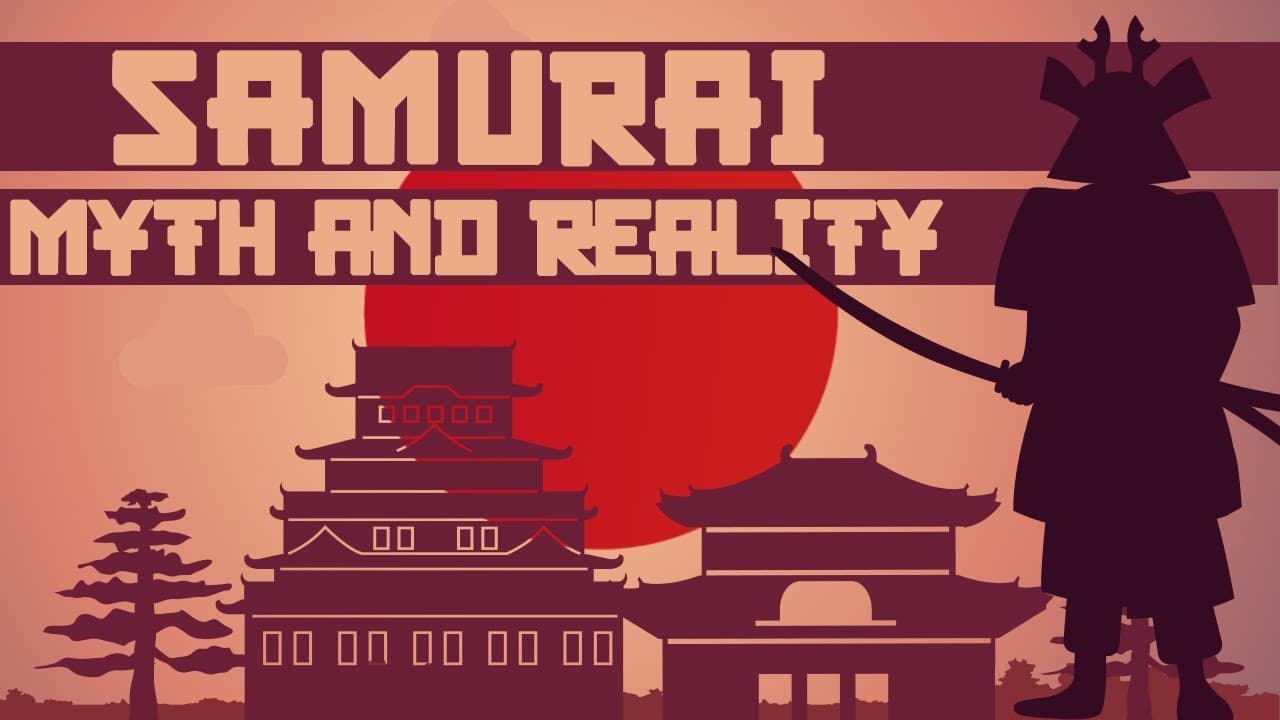
Samurai began as mounted archers serving the imperial state, not as katana-centered champions bound by an unchanging honor code. Their roles shifted with political conditions: they became military rulers, fought for competing daimyo, adopted firearms, and later served as hereditary administrators before their abolition and transformation into symbols of Japanese identity.
Transcript
Paragons of virtue, exemplars of honour, beacons knights of the east. This is what we generally picture when we While it is an attractive view of these legendary one. In this video we shall do our best to correct roles and perceptions of the samurai in Japanese to the modern day. The geographical situation that spawned the the world. The Japanese h... Read More
Key Insights
- The earliest proto-samurai were probably mounted archers favored by emperors after Japanese forces encountered the Emishi. Their identity developed from practical military adaptation and provincial service, rather than from the later image of warriors defined primarily by katana, elaborate armor, and a formalized honor code.
- The Kamakura shogunate emerged after declining central authority allowed samurai families to gain independence and political power. Although the shogun was technically a high-ranking samurai appointed by the emperor, the office functioned as a military dictatorship while the emperor remained the nominal ruler.
- The Mongol invasions show that samurai warfare included unconventional tactics rather than only formal individual combat. Samurai attacked invading forces by driving boats filled with burning pitch toward enemy vessels, while two hurricanes eventually destroyed the Mongol fleets sent by the Yuan Empire under Kublai Khan.
- The comparison between samurai and European knights is incomplete because samurai could comprise a much larger share of Japanese armies. European knights represented a relatively small portion of forces that also included men-at-arms or enlisted soldiers, whereas the Mongol invasions involved armies containing many samurai.
- The Sengoku era combined honor with deception rather than following a single, consistent code of conduct. Ritualized rivalry could coexist with betrayal, opportunism, and practical warfare, making later portrayals of uniformly principled warriors misleading when applied across every region and period of samurai history.
- Samurai and daimyo adopted firearms when those weapons offered a battlefield advantage. Although some Japanese observers considered the new technology shocking or dishonorable, most daimyo who could obtain firearms did so, and Takeda Shingen purchased 300 before his death in 1571.
- The Tokugawa peace transformed samurai from active combatants into a hereditary administrative class. They worked as storehouse officials, night watchmen, and government administrators while continuing to wear military dress, which increasingly represented status and prestige rather than immediate preparation for warfare.
- Bushido changed as samurai responsibilities shifted from warfare to civil service. Etiquette and politeness became increasingly important, martial training developed into an art form, and the katana gained symbolic prominence even though earlier samurai warfare had depended heavily on mounted archery and practical battlefield weapons.
Install to Summarize YouTube Videos and Get Transcripts
Explore YouTube Video Summarizer or Get YouTube Transcript Extractor
Questions & Answers
Q: How did the samurai class first develop in Japan?
The earliest proto-samurai developed after the Heian Japanese state encountered the Emishi, a distinct group skilled in horse archery. Japanese forces based on an immobile heavy-infantry model struggled against those tactics and eventually adopted them. Provincial warrior families then formed networks of military power, while emperors increasingly favored mounted archers who served them and became known as samurai.
Q: Were the first samurai primarily katana swordsmen?
The first proto-samurai were likely mounted archers rather than warriors defined mainly by the katana. Their military value came from mobile horse-archery tactics adopted during conflict with the Emishi. The image of a samurai as an elaborately armored swordsman reflects later symbolism and romanticism, not the full range of weapons, responsibilities, and battlefield practices associated with early samurai.
Q: How did samurai gain political control of Japan?
Samurai gained influence as the central government became less interested in actively governing the country. Provincial warrior families grew more independent, built military power, and participated in revolts. They eventually took control and established the Kamakura shogunate. The shogun was formally a high-ranking samurai, but in practice served as military dictator while the emperor remained the nominal sovereign.
Q: How did samurai fight during the Mongol invasions?
Samurai used unconventional methods during invasions launched by the Yuan Empire under Kublai Khan. One described tactic involved driving boats filled with burning pitch into the invading fleets. The campaigns were not resolved by samurai combat alone, because two hurricanes ultimately destroyed the Mongol fleets. The invasions therefore combined organized resistance, improvised attacks, and decisive environmental events.
Q: Did samurai always follow a strict code of honor?
Samurai conduct was not consistently governed by the idealized honesty and integrity often associated with them. During the era of competing daimyo, honorable behavior existed alongside deceit, betrayal, and opportunism. Some rivalries could be courteous or ritualized, but warriors also used deception whenever it benefited them. Bushido itself later changed to emphasize etiquette and politeness during Tokugawa peace.
Q: Why did Japanese samurai adopt firearms?
Samurai and daimyo adopted firearms because the weapons changed the battlefield and offered practical military advantages. Some Japanese observers initially viewed the technology as shocking or dishonorable, but most daimyo who could purchase firearms did so. Takeda Shingen, for example, bought 300 before his death in 1571, showing that battlefield usefulness often outweighed later claims about resistance based on honor.
Q: How did the Tokugawa period change samurai life?
The cessation of widespread warfare after Tokugawa Ieyasu's victory in 1600 left samurai without their former level of military employment. They became a hereditary class serving as storehouse officials, night watchmen, and administrators. They retained military clothing and prestigious swords, but these increasingly marked status. Martial training continued, although it developed more as an art than practical preparation for battle.
Q: How did samurai become symbols of modern Japan?
After outside pressure contributed to the creation of the Japanese Empire, the samurai were abolished as an active hereditary class. Their disappearance encouraged nostalgia and romanticism, allowing selected warrior values to be reshaped into a philosophy associated with national identity. Following surrender after the Second World War and the nuclear attacks, Bushido became more of a historical monument, while samurai imagery remained influential.
Summary & Key Takeaways
-
Early samurai emerged as the Heian state confronted the Emishi, whose effective horse-archery tactics influenced Japanese warfare. Provincial warrior families subsequently developed networks of armed power. As the central government weakened, these warriors became increasingly independent, launched revolts, and eventually established the Kamakura shogunate under military rule.
-
During the Mongol invasions, samurai employed tactics such as sending boats filled with burning pitch against enemy vessels, while hurricanes ultimately destroyed the invading fleets. Later political instability weakened shogunal control. Following the Onin War, daimyo ruled fragmented territories during an era marked by both honorable conduct and calculated deceit.
-
Tokugawa Ieyasu's victory in 1600 preceded a long cessation of warfare that transformed samurai into a hereditary class of administrators, guards, and officials. Bushido increasingly emphasized etiquette, while martial practice became an art form. Economic decline, unrest, abolition, and later romanticism turned the former warrior class into a national symbol.
Read in Other Languages (beta)
Share This Summary 📚
Summarize YouTube Videos and Get Video Transcripts with 1-Click
Try YouTube Summary with ChatGPT & Claude or YouTube Transcript Generator
Explore More Summaries from Kings and Generals 📚




Summarize YouTube Videos and Get Video Transcripts with 1-Click
Try YouTube Summary with ChatGPT & Claude or YouTube Transcript Generator